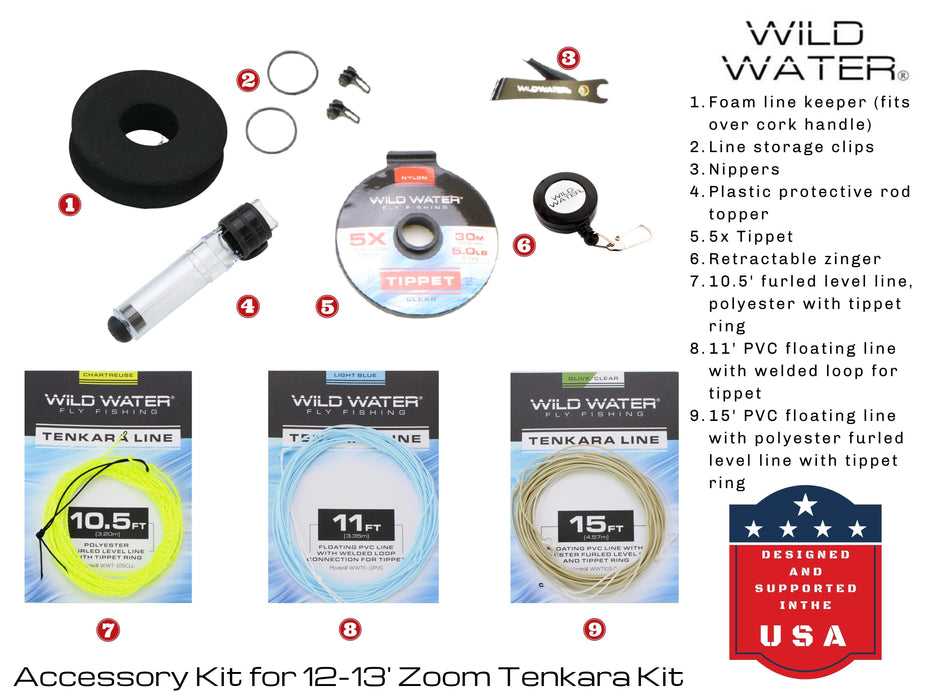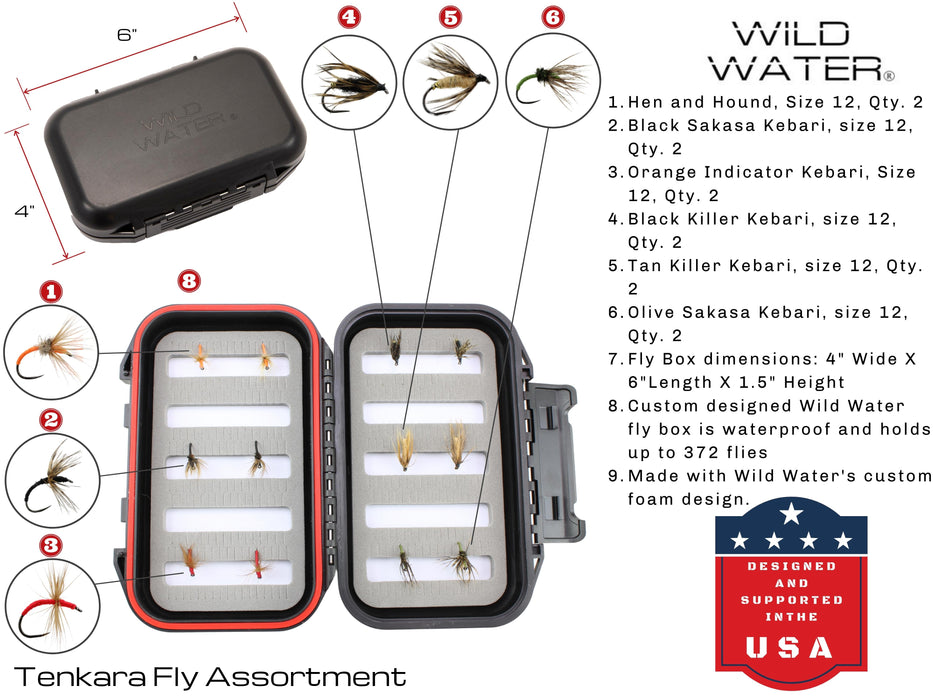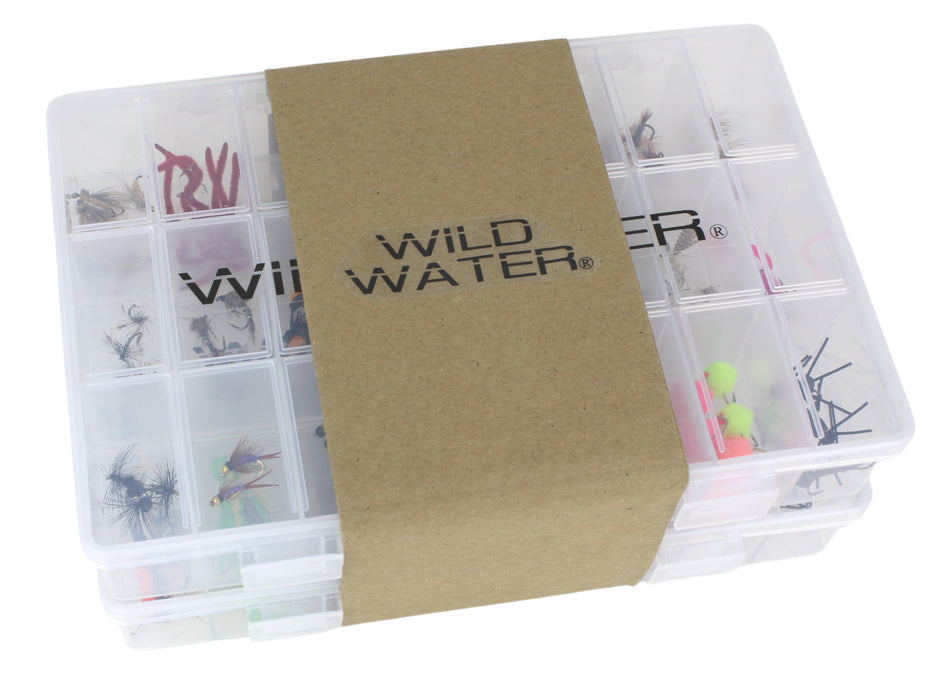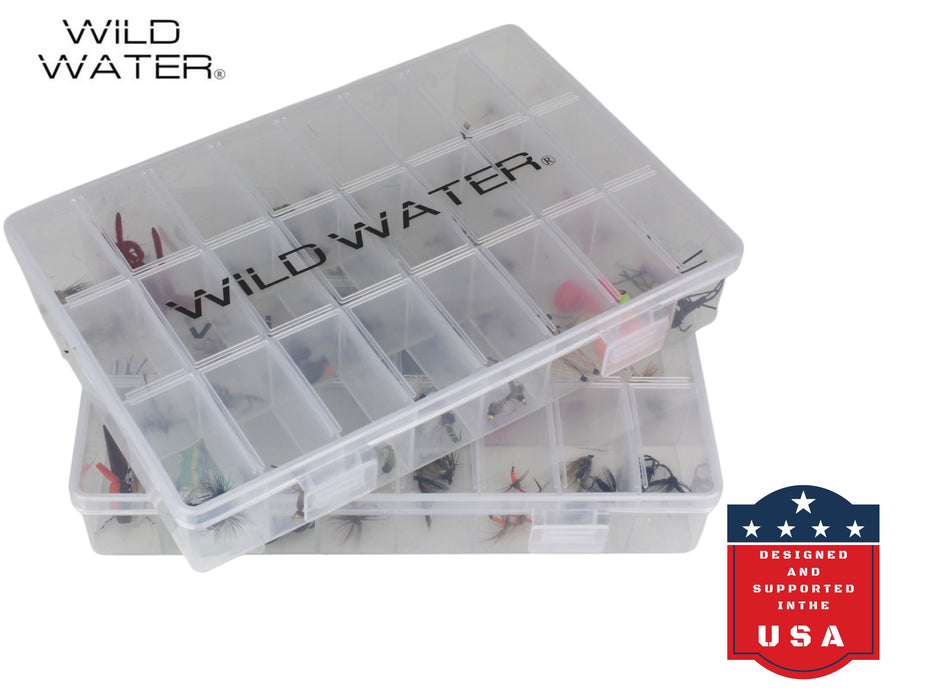
"What do I need?" is one of the most common questions we get here at Wild Water. And honestly, it's a fair question. Walk into any fly shop and you'll see walls of rods, reels, spools of line, and bins stuffed with thousands of flies. It can feel like you need a PhD just to pick out a setup.
The good news? Fly fishing gear breaks down into four main categories: rods, reels, lines, and flies. Each piece has a job to do, and they all work together as a system. Once you understand what each component does and how they connect, the "overwhelming wall of stuff" starts to make a lot more sense.
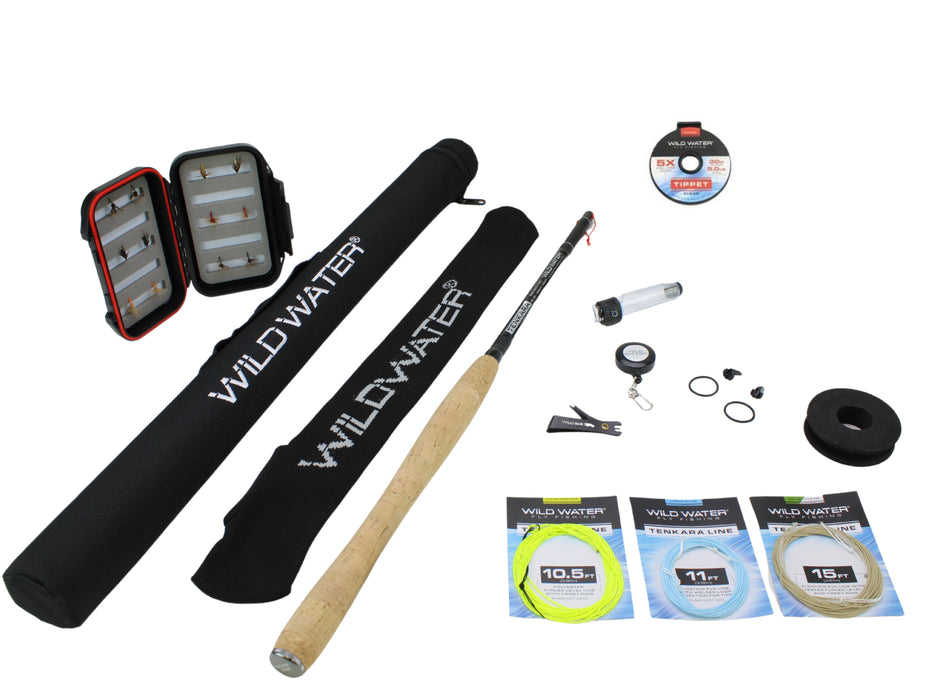
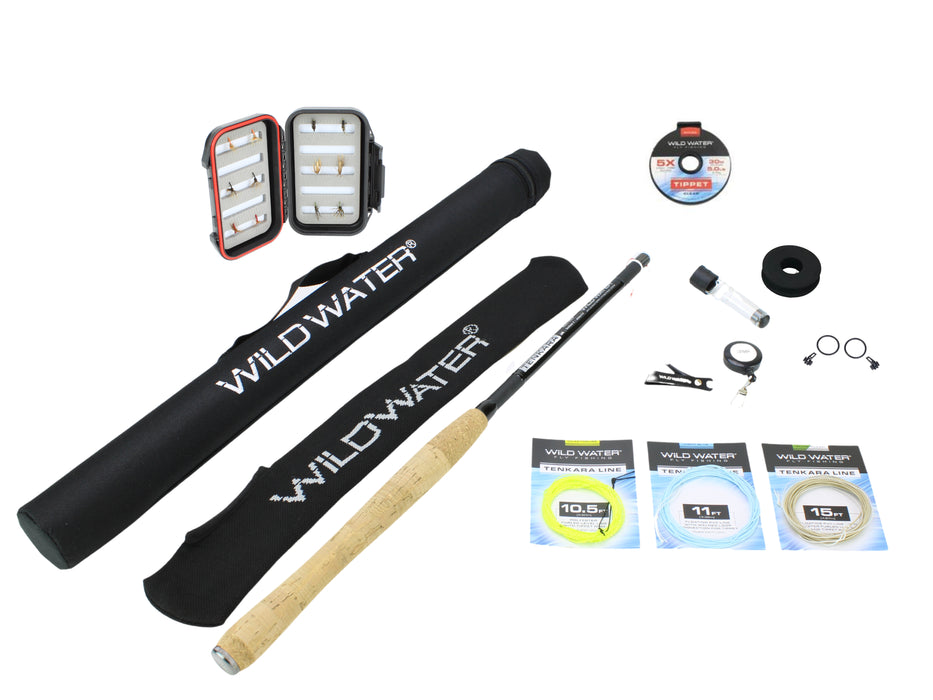
Before diving into each gear type, here's a look at how all the pieces come together in one of our starter packages:
Fly Rods
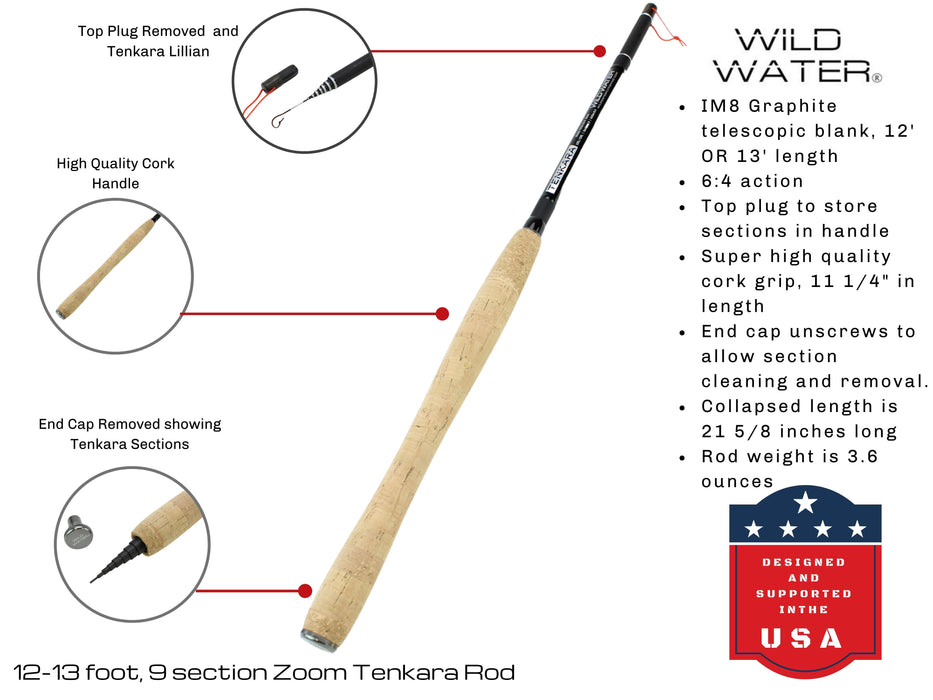
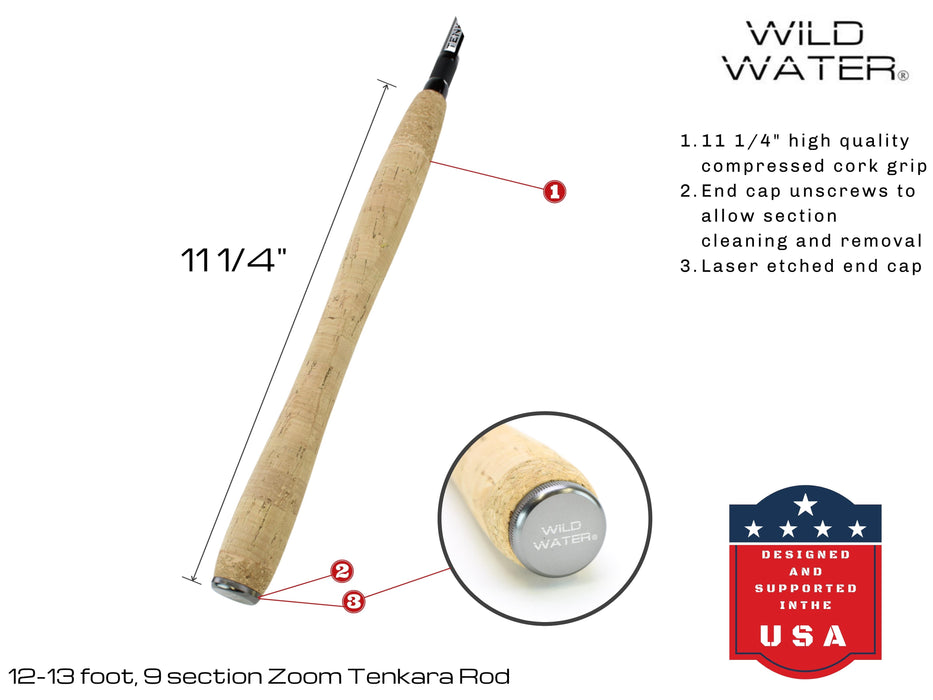
The rod is your casting tool. Unlike spinning rods that fling a weighted lure, fly rods use the weight of the fly line itself to carry your fly to the target. That's why fly rods are longer (usually 7 to 9 feet) and rated by "weight" classes from ultralight 3-weights up to heavy 12-weights.
The weight you choose depends on what fish you're chasing and how big the water is. Smaller weights for panfish and trout in streams. Heavier weights for bass, pike, and saltwater species. A 5 or 6-weight rod handles most freshwater situations and is where most beginners start.
Fly Reels
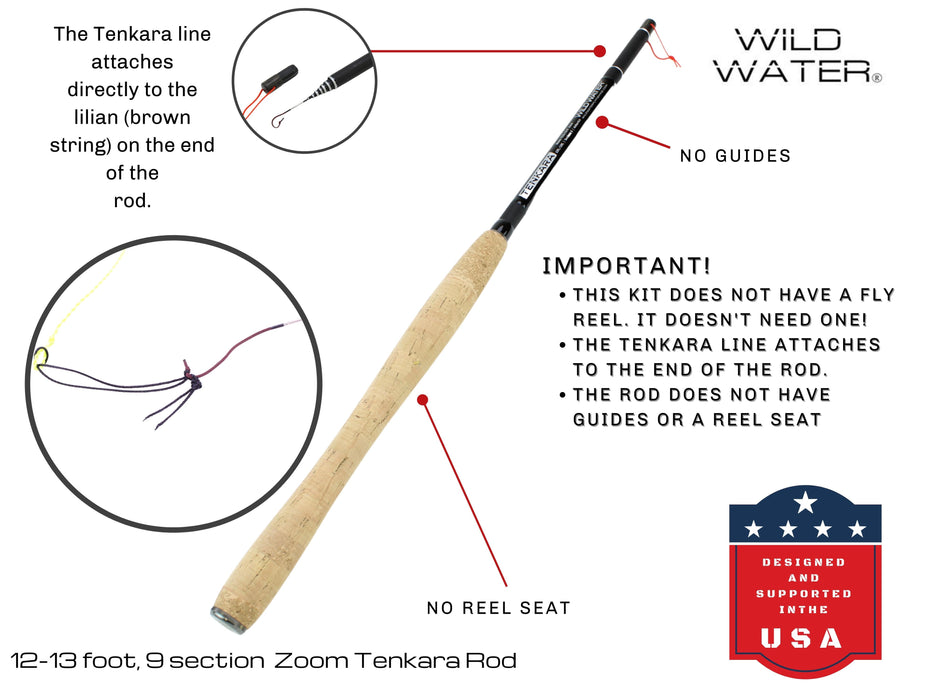
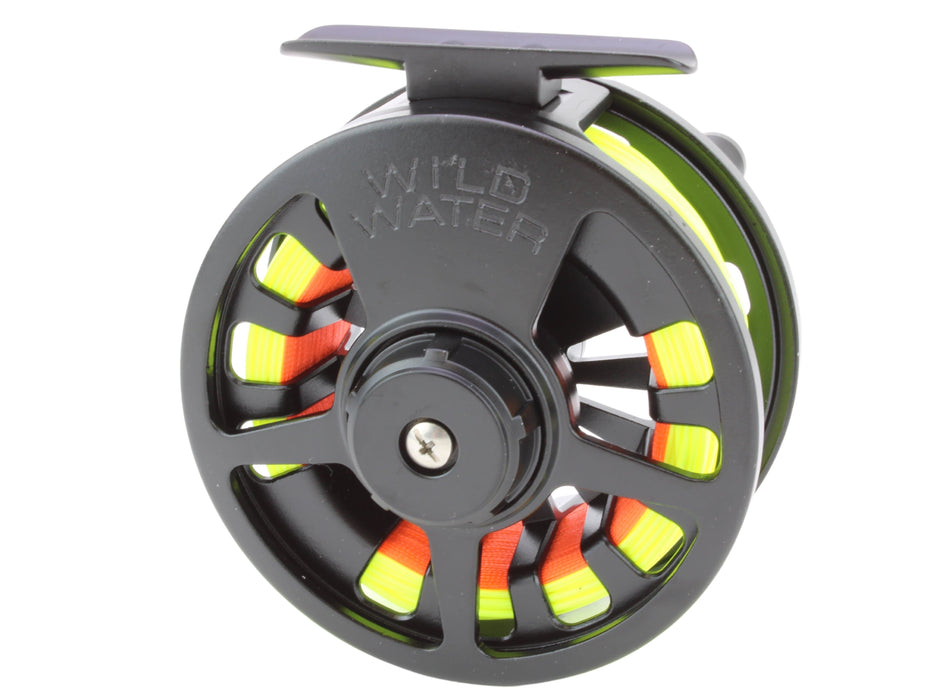
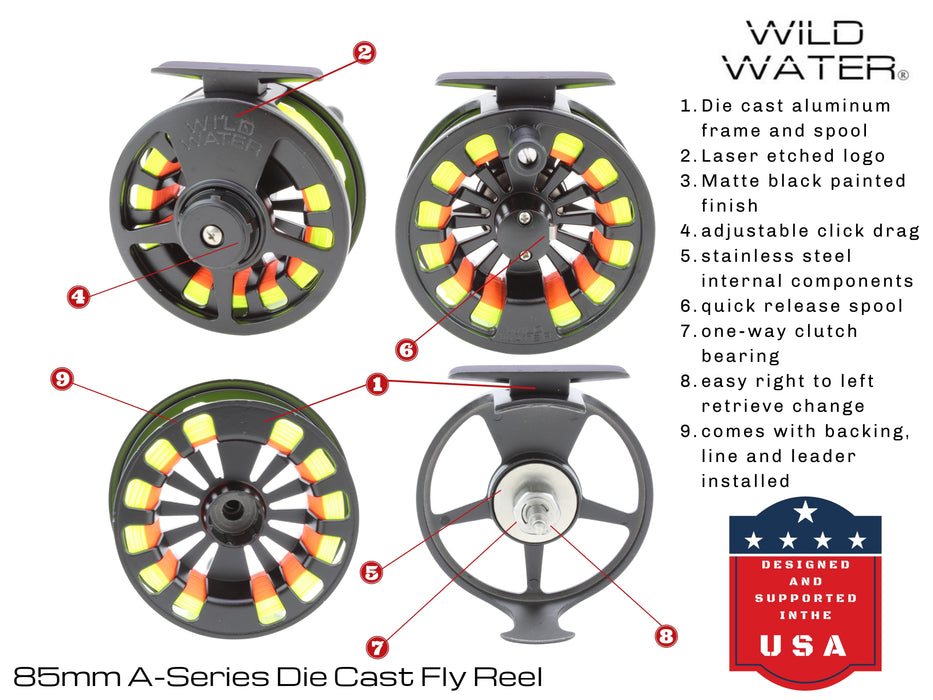
The reel stores your line and provides drag when a fish runs. In fly fishing, you don't cast from the reel like you would with a spinning setup. Instead, you strip line off the reel by hand before casting, and the reel's main job is line management and fighting fish.
Fly reels are matched to your rod weight. A 5/6-weight reel pairs with a 5 or 6-weight rod. Getting this match right keeps your outfit balanced so it casts smoothly and doesn't tire out your arm. You'll also want to know how to switch the retrieve direction (left-hand or right-hand crank) depending on which hand you prefer to reel with.
Fly Lines
Fly line is the engine of your cast. It's thick, weighted, and coated so it can load the rod and shoot through the guides. The line connects to thinner "backing" on the reel side (extra insurance if a big fish runs) and to a tapered "leader" on the business end (the clear section that connects to your fly).
Lines come in different types: floating lines stay on the surface for dry flies, sinking lines get streamers and nymphs down deep, and sink-tip lines split the difference. They also come in different tapers (weight-forward is most common for beginners) and must match your rod weight.
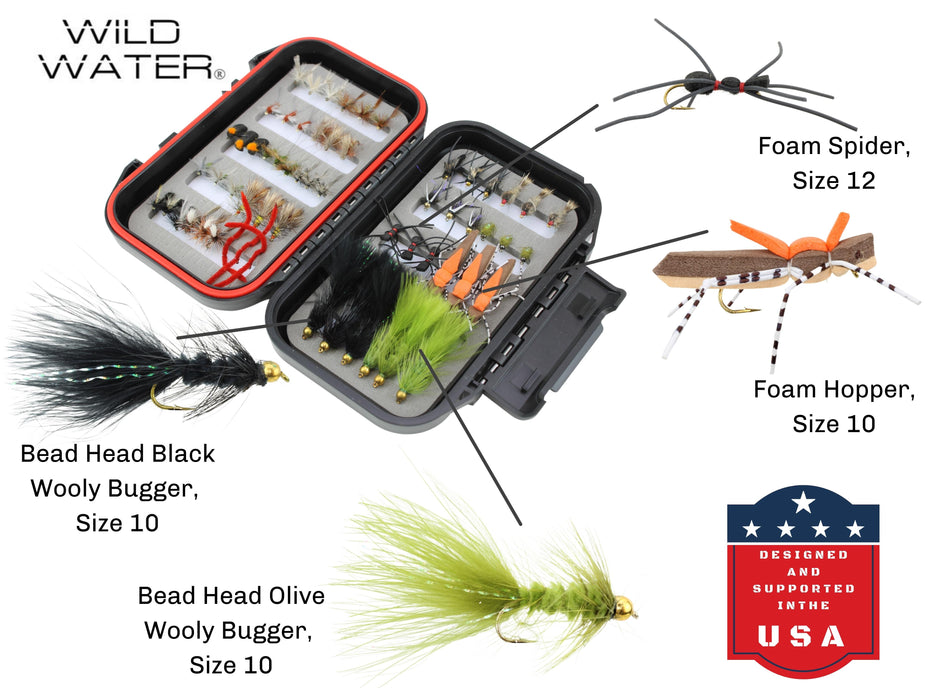
Flies
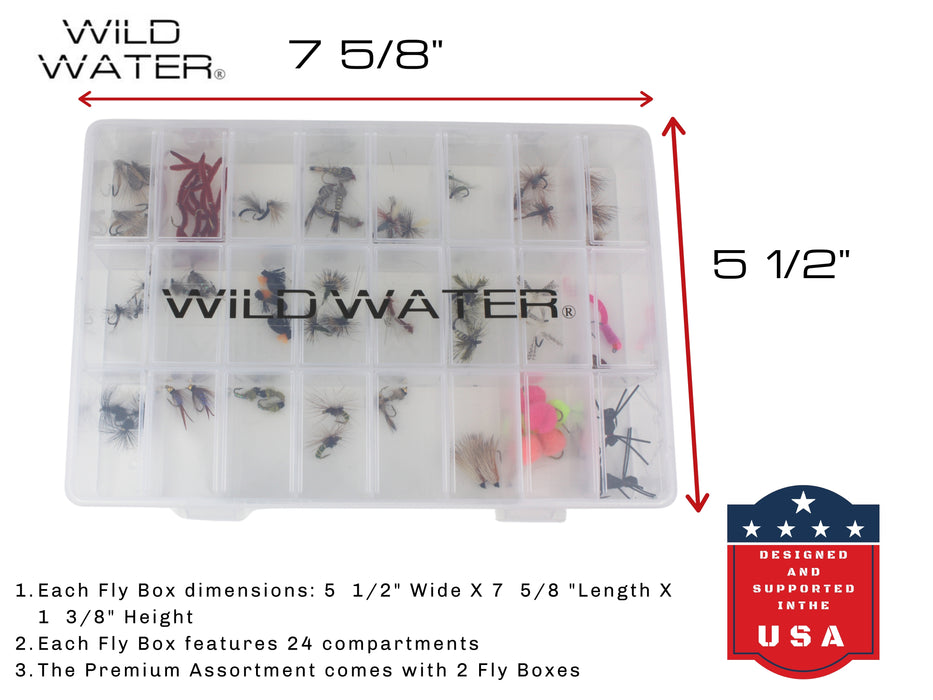
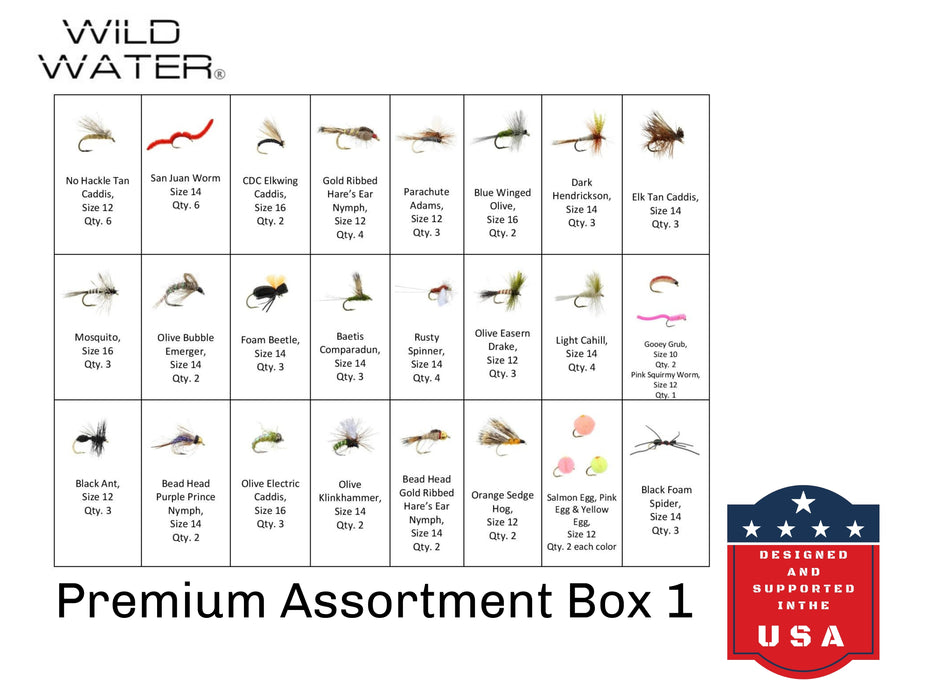
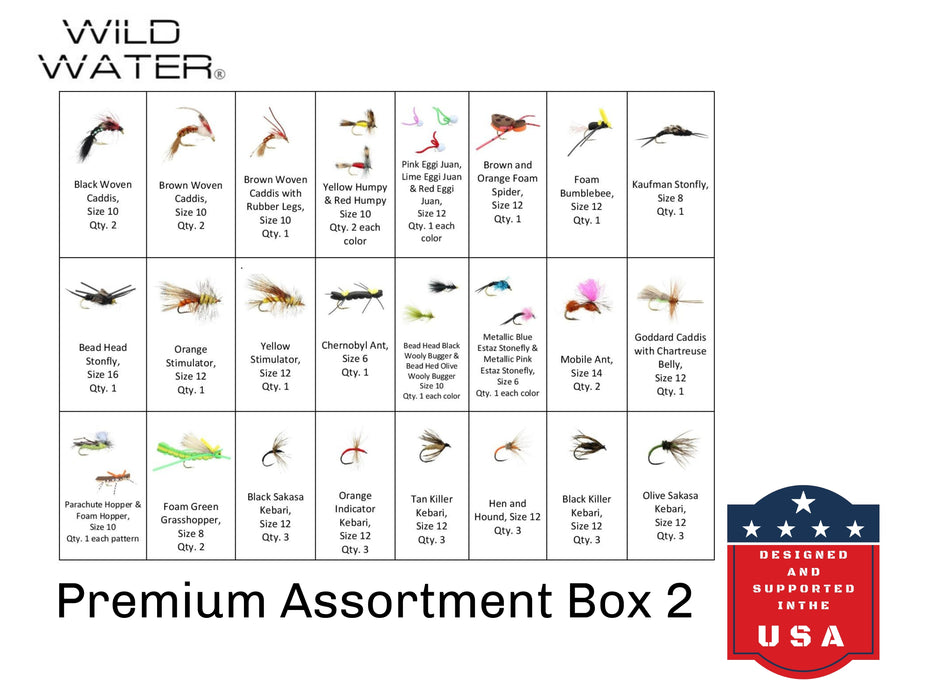
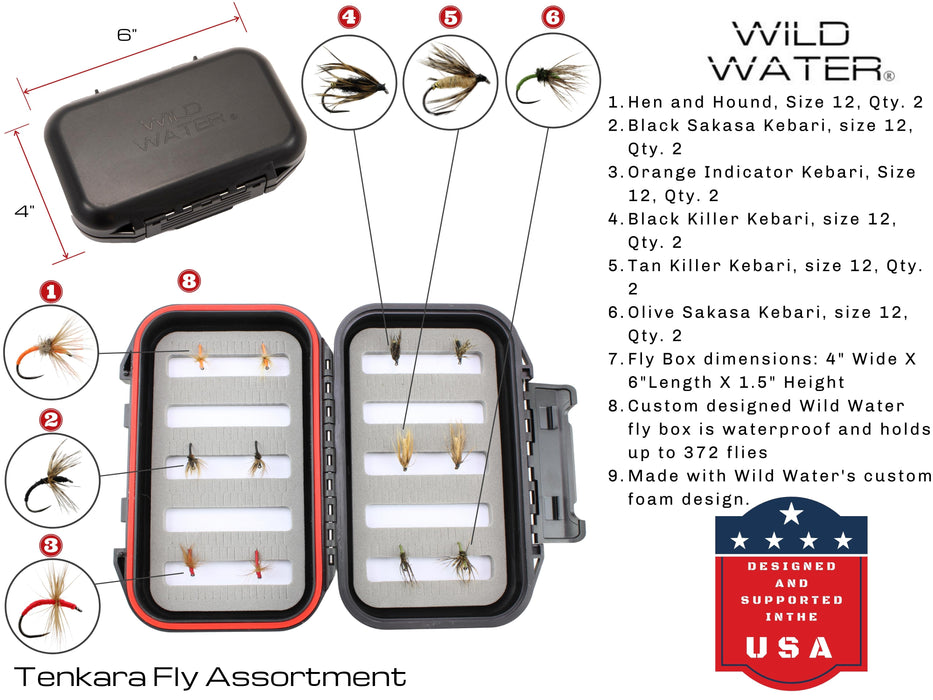
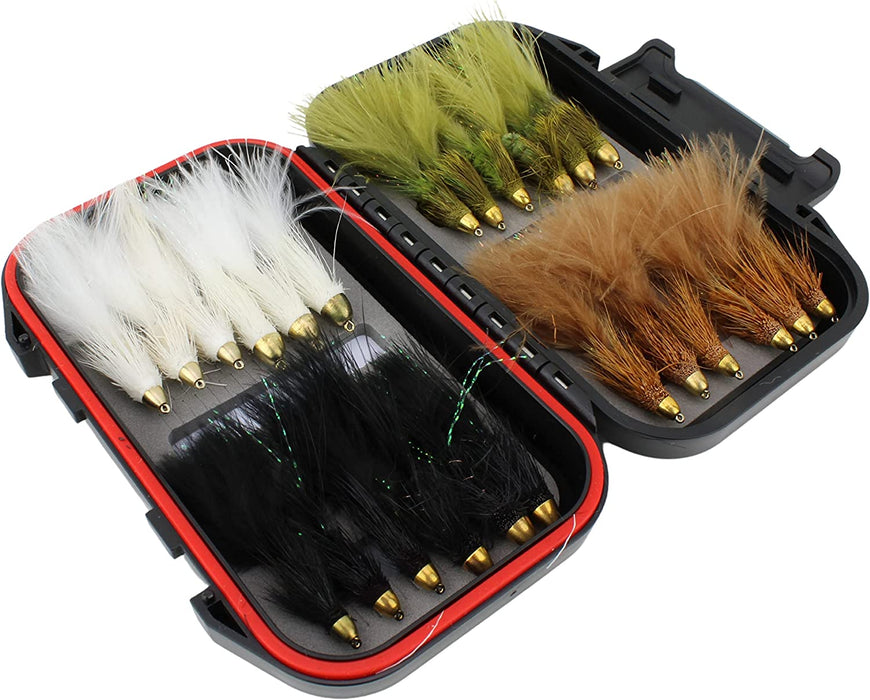
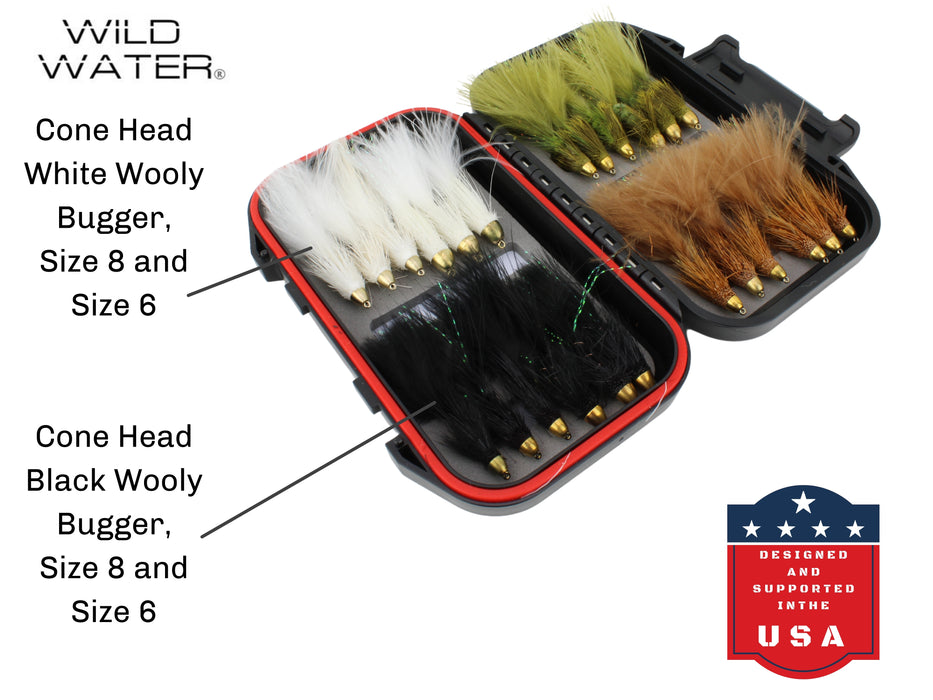
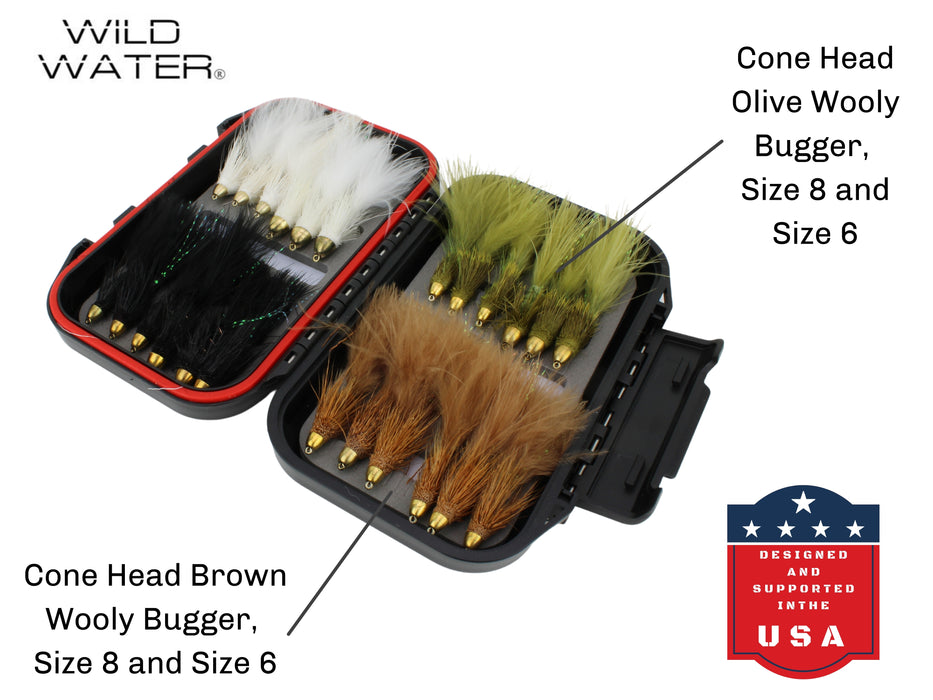
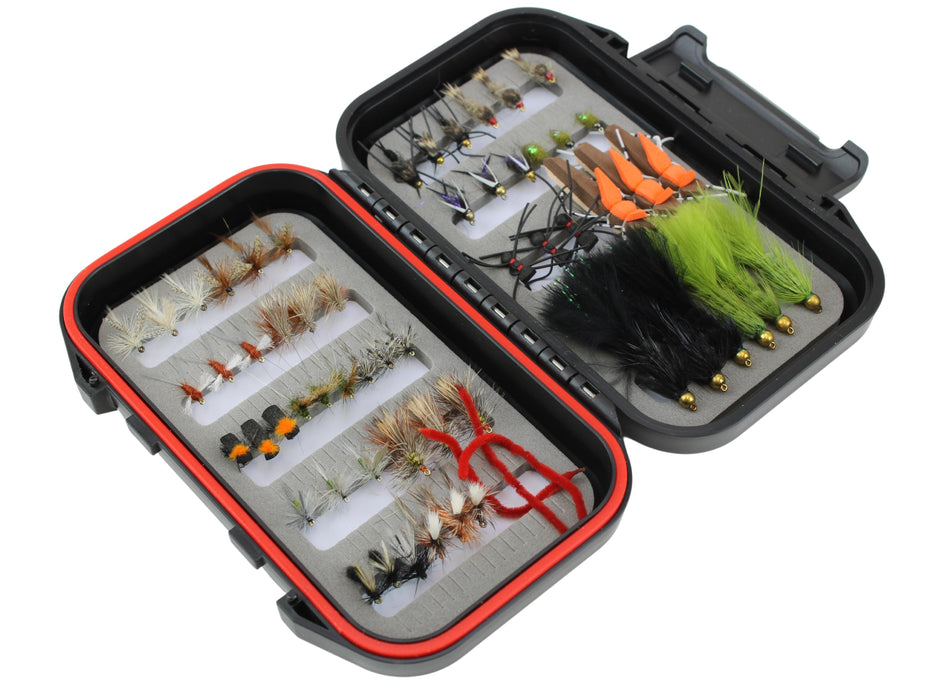
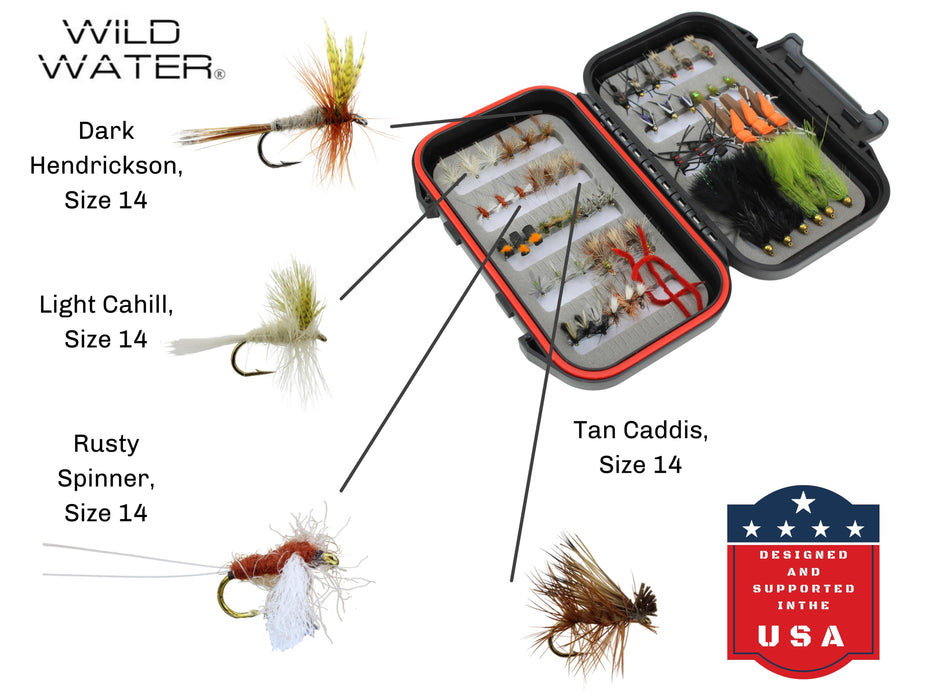
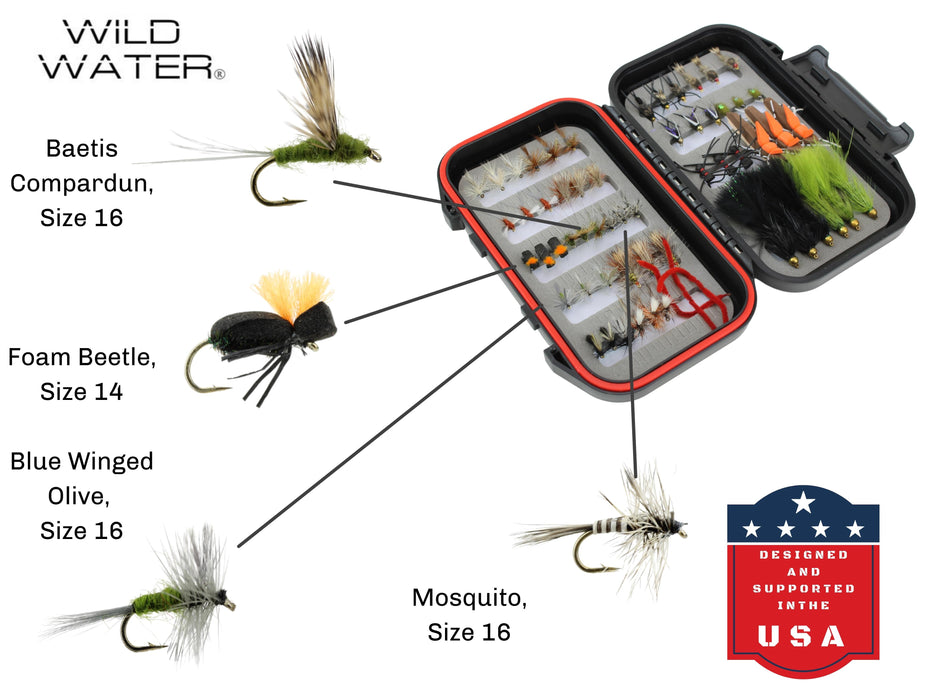
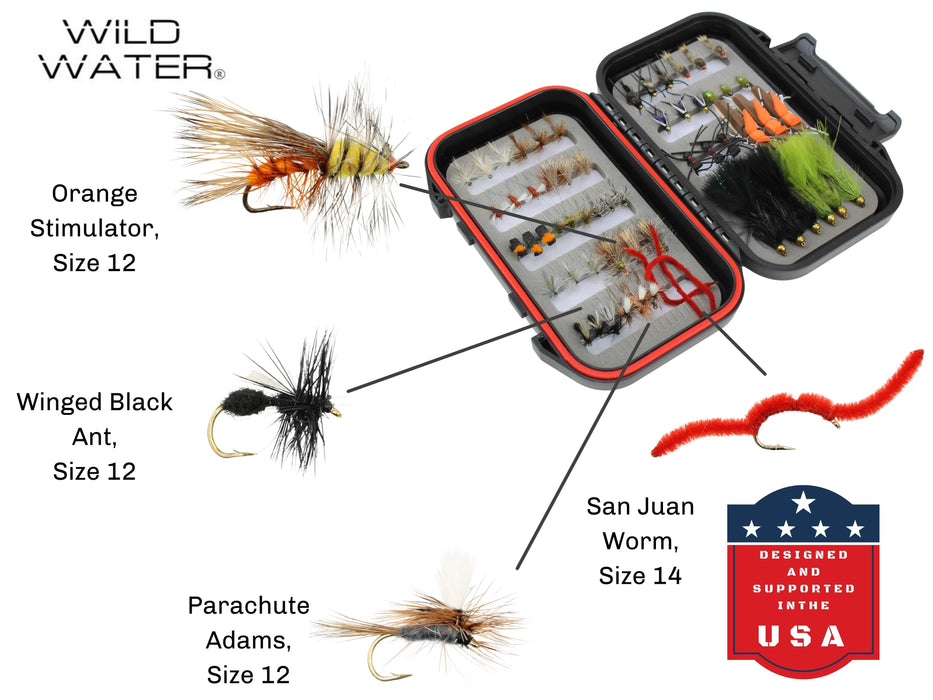
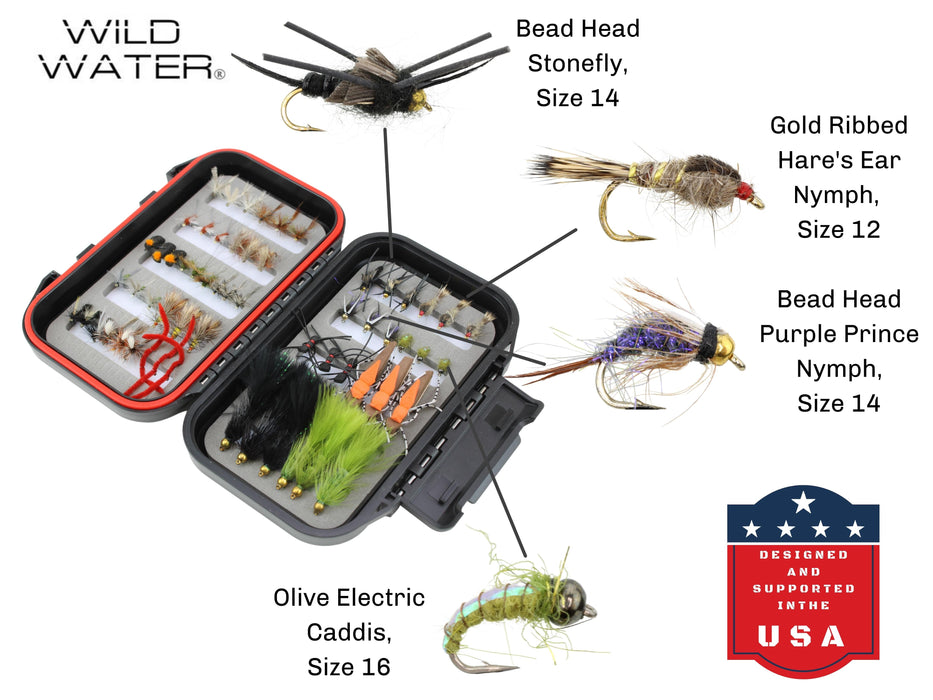
Flies are the lures of fly fishing, but they're made from feathers, fur, thread, and foam instead of plastic or metal. They imitate the things fish eat: insects, baitfish, crayfish, frogs, even mice. Some float on the surface (dry flies and poppers), others sink below it (nymphs and streamers).
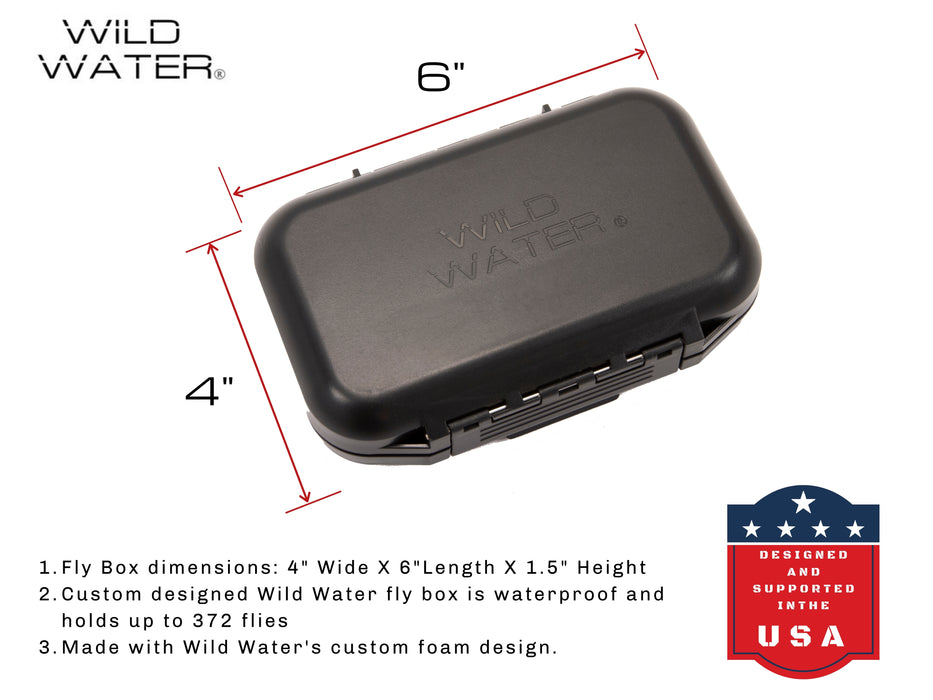
Fly selection can feel complicated at first, but it doesn't have to be. A handful of proven patterns will catch fish almost anywhere. Wooly Buggers, Elk Hair Caddis, Parachute Adams, and Pheasant Tail Nymphs cover most freshwater situations. Start with the basics and expand your box as you learn what works on your local water.
Putting It All Together
Each piece of gear connects to the next: backing ties to reel, fly line ties to backing, leader ties to fly line, tippet ties to leader, and fly ties to tippet. It sounds like a lot, but our starter packages come pre-rigged with everything matched and ready to fish. All you need to do is assemble the rod sections and tie on a fly.
If you want to understand how to choose the right weight and style for your fishing, check out our guide on choosing the right fly fishing gear.