Every fly angler runs into problems on the water. Tangled line, stubborn knots, flies stuck in trees, gear that won't cooperate in the cold. It happens to beginners and veterans alike. The good news is that most issues have quick fixes once you know what you're dealing with.
This page covers the most common problems you'll face and how to handle each one. Some are minor annoyances you'll solve in seconds. Others take a bit more patience. Either way, none of these should ruin your day on the water.
Before we get into specific fixes, here's an important reminder about your fly rod:
Keep that in mind as you work through any problem. A snag isn't worth a broken rod, and a tangle isn't worth a cracked tip. Take your time with every fix.
Now, let's look at the problems you're most likely to run into, starting with the one that frustrates beginners the most.
Line Tangles and Knots
Line management is probably the most common source of frustration for new fly anglers. Fly line behaves differently than monofilament on a spinning reel. It's thicker, coated, and has memory, which means it wants to coil and twist. Add in the stripping, false casting, and line shooting that fly fishing requires, and tangles become part of the game.
The key to fixing line problems is patience. Yanking on tangled line almost always makes things worse, and it can damage your line's coating or put dangerous stress on your rod tip. Work through tangles slowly, and you'll save yourself time and gear.
Here's what you're likely dealing with:
Knots in Your Fly Line – You'll hear these called "wind knots," but they're actually caused by casting mechanics, not the breeze. They form in your leader and tippet, and they weaken your line if you don't deal with them. This guide shows you how to remove them without making things worse and how to cast in a way that prevents them.
Once you've got knots sorted, you might notice a related issue inside your reel.
Line Tangled in Your Fly Reel – When line gets bunched up inside your reel, it can jam your retrieve or cause bird's nests on your next cast. Usually this happens when you reel in too fast or strip line unevenly. Here's how to clear the tangle and respool so it doesn't happen again.
And speaking of line going where it shouldn't...
Fly Line Wrapped Around the Rod Tip – This one sneaks up on you. You strip out line, start your cast, and something feels off. Often, your fly line has looped around the rod tip during setup or between casts. It's easy to miss, especially in low light. Here's how to spot it early and clear it without stressing your rod.
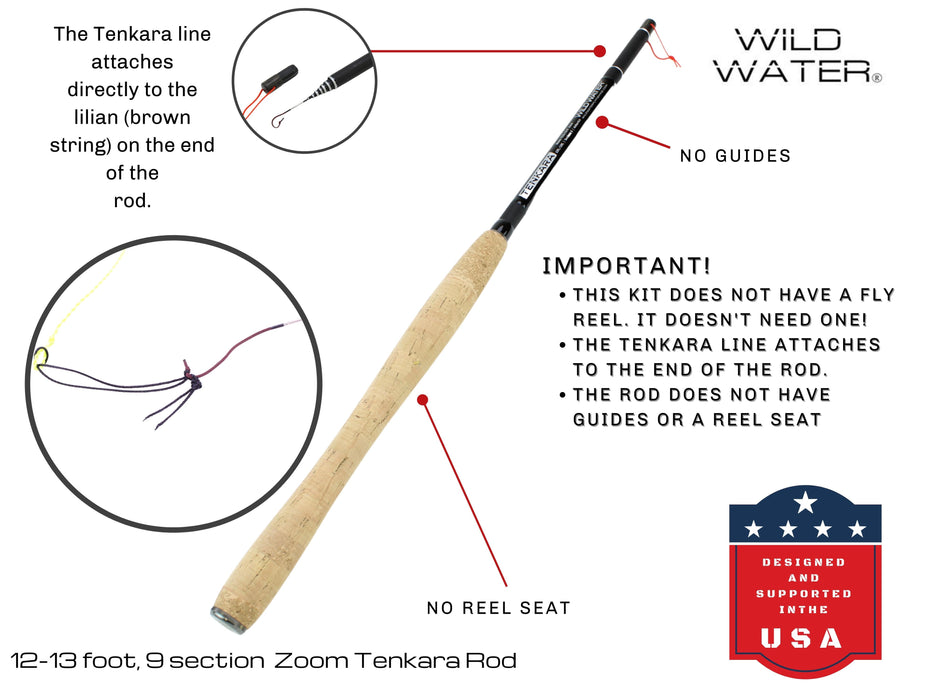
Fly Line Wrapped Around the Reel Seat – Similar problem, different location. Line can wrap around the reel seat (the part of the rod where your reel attaches) without you noticing until your cast feels weird. A quick check before you start fishing prevents this entirely.
Those are the line issues. But let's be honest, losing flies to snags is probably what's really bringing you to this page.
Snags and Lost Flies
Losing flies is part of fly fishing. Trees, brush, rocks, submerged logs, and the occasional unlucky backcast will claim their share of your patterns over time. If you fish long enough, you'll donate flies to every river you visit. It's just how it goes.
The goal isn't to never get snagged. It's to lose fewer flies and avoid damaging your gear when snags happen. How you respond matters more than the snag itself. Pull too hard and you'll snap your tippet, break your rod tip, or launch a fly back at your face when it comes free. Work the angles, know when to cut your losses, and you'll keep more flies in your box.
Getting Your Fly Snagged in Trees and Brush – Overhanging branches are fly magnets, especially on small streams where your backcast has nowhere to go. This guide covers techniques for freeing snagged flies (including when it's worth climbing for a good fly versus cutting your losses), and some casting adjustments that help you avoid trees in the first place.
Underwater snags are a different animal.
Getting Your Fly Snagged Underwater – Rocks, logs, and weeds grab flies constantly when you're nymphing or fishing streamers near the bottom. The retrieval techniques are different than tree snags since you can't see what you're hooked on. Sometimes the smartest move is breaking off intentionally rather than risking your rod. This guide helps you figure out when to fight and when to let go.
Alright, so far we've covered problems you create (tangles) and problems the environment creates (snags). But sometimes the weather itself is the problem.
Challenging Weather Conditions
Weather changes everything. Wind affects your casting, your line control, and where fish hold. Cold temperatures make your fingers clumsy, your line stiff, and your guides freeze up. Neither condition has to end your fishing day, but both require adjustments to your approach and your expectations.
Fly Fishing in the Wind – Wind is the enemy of the fly cast, but it's not unbeatable. You'll need to adjust your casting stroke, think differently about where you position yourself relative to the water, and maybe switch up your fly selection. This guide breaks down what actually works when the wind picks up.
Cold weather brings its own set of headaches.
Fly Fishing in the Cold – Frozen guides, numb fingers, and stiff fly line all come with winter fishing. Some of these problems have gear solutions, others just require technique adjustments and realistic expectations. Here's how to keep your gear functioning and yourself comfortable enough to fish effectively when temperatures drop.
At this point, you've got fixes for the most common problems. But here's something worth mentioning before you head out.
Prevention is the Best Fix
Most fly fishing problems share a common theme: they're easier to prevent than to fix. A few habits go a long way.
Check your line path before every cast. Look behind you before your backcast. Strip line off your reel smoothly instead of yanking. Store your rod properly between sessions. These small things add up to fewer tangles, fewer snags, and more time actually fishing.
When problems do happen (and they will), stay calm and work through them methodically. Fly fishing has enough variables without adding frustration to the mix. Every angler deals with these issues. The experienced ones just handle them faster because they've been there before.
Need help with something not covered here? Our complete beginner's guide covers the fundamentals, and our U.S.-based customer service team is always happy to help at 585-967-3474.