Florida offers year-round fly fishing across more than 7,700 lakes, canals, and rivers, plus 1,350+ miles of coastline. You can chase largemouth bass in neighborhood ponds in the morning, then target tarpon in mangrove-lined flats by afternoon, all in the same day.
At Wild Water Fly Fishing, we've spent over 15 years guiding beginners through their first pond bass to outfitting experienced anglers for Keys tarpon. If you're new to freshwater fly fishing in Florida or planning your first saltwater fishing trip, this guide will help you know exactly where to go and what to bring.
Let’s get started.
Key Takeaways
|
Water Type |
Top Species |
Best Spots |
Recommended Setup |
|
Freshwater |
Largemouth bass, peacock bass, panfish |
Lake Okeechobee, Kissimmee Chain, local ponds, and canals |
5-6 weight rod, floating line, 9-foot tapered leader |
|
Saltwater |
Tarpon, snook, redfish, bonefish |
Florida Keys, Everglades, Ten Thousand Islands |
8-9 weight rod, intermediate or floating line |
Key pointers to know before you go:
-
You can fish in Florida every month (no winter shutdowns or ice-out delays).
-
Most freshwater fly fishing only requires a 7-8 weight rod and common flies like poppers and Wooly Buggers.
-
Shore access is common across lakes, canals, and coastal areas.
-
Peak seasons change by species, but there’s always something worth targeting.
Top Freshwater Fly Fishing Spots in Florida
The Lake Okeechobee, South Florida Canals, and local ponds are among the best freshwater fly fishing spots in Florida. Each place fishes differently depending on the season, water levels, and how you access it, so let’s walk through what to expect.

Lake Okeechobee and the Kissimmee Chain
Lake Okeechobee is Florida’s largest lake (about 730 square miles), and it’s known for trophy largemouth bass. Many fish average 4-8 pounds, with larger bass caught every year. The lake is shallow and full of vegetation, which creates ideal conditions for bass to feed and grow.
The nearby Kissimmee Chain of Lakes links Lake Tohopekaliga, Lake Cypress, Lake Hatchineha, and Lake Kissimmee into one large bass system. These lakes are connected, and bass can move freely between them. We’ve found this keeps the bite more consistent. If one lake is slow, another usually isn’t.
Where should you cast? Fish vegetation edges, lily pads, and drop-offs during early morning and late evening. When fishing with pads, let your popper sit still for 3–5 seconds after it lands. Most strikes happen during the pause. Stock your box with our best bass flies, including proven patterns like streamers, topwater poppers, and baitfish imitations.
Local Ponds and Neighborhood Waters
Most people drive past these waters every day without realizing they hold 5-pound bass. We're talking about golf course lakes, retention basins, and small neighborhood ponds that rarely see fishing pressure.
Low fishing pressure means fish aren't as wary. They haven't seen many flies, so they'll strike patterns that wouldn't work in heavily fished lakes. Start with a popper on top. If that doesn't produce after 10-15 casts, switch to a Wooly Bugger and work it subsurface.
Our best tip is to fish early in the morning (6-9 AM) or late evening (6 PM), when foot traffic is minimal. Bass in suburban ponds get spooked by dog walkers and kids playing. We've observed that bass usually stop feeding when someone walks their dog along the bank, then resume feeding 15 minutes later.
South Florida Canals for Peacock Bass
Miami-area canals hold peacock bass. We've seen these fish hit so hard they almost pull the rod out of your hands. You can target the C-111 Canal near Homestead, the Tamiami Canal along US-41, and the network of canals throughout suburban Miami-Dade.
Here's what you can do: Pull off the road, walk to the bank, and start catching fish. You can cast these bright streamers in chartreuse, orange, and red near bridges, culverts, and vegetation edges. These colors trigger aggressive strikes because peacock bass are visual hunters wired to attack bright, flashy prey.
Florida Rivers Worth Exploring
Rivers like the St. Johns, Suwannee, and Crystal River fish differently from lakes. Bass stack up behind fallen trees, rock piles, and undercut banks. They do not want to fight the current all day, so they position themselves behind structures where they can rest and eat food drifting by.
The St. Johns River near Palatka and the Suwannee River near Branford both hold good populations of bass and panfish.
Best Saltwater Fly Fishing Spots in Florida
Florida’s best saltwater fly fishing spots include the Florida Keys, Everglades National Park, and Tampa Bay. Let’s explain them in more detail below.

The Florida Keys
The Florida Keys remain the premier saltwater fly fishing destination in North America. Why? No other region offers the same combination of bonefish, permit, and tarpon in accessible shallow water. Catching all three in one day (called a "grand slam") is considered a great achievement. It's difficult to pull off, but many fly fishermen travel here to try it.
The Lower Keys offer productive waters because the Gulf of Mexico meets the Atlantic, creating unique flats and channels. The Upper Keys around Islamorada have more established guide services if you're booking your first trip.
However, fly fishing in the Keys is challenging because it relies more on sight fishing. That means you cast to individual fish you can see. Fish are usually moving, and guides give quick instructions (about distance and direction). In most situations, you only have 10 seconds to cast.
Check out other fly fishing destinations in the US if you're planning multiple trips.
Everglades National Park and Ten Thousand Islands
Want a wilder experience? The Everglades backcountry offers fishing in a maze of mangrove islands and shallow flats. This area sees fewer anglers because it’s complex to fish (easy to get lost). Hiring a guide is strongly recommended for first-time visitors.
Tarpon migrate through in spring and early summer. You'll see them rolling on the surface as they gulp air. It's a sight that gets your heart racing every single time, no matter how many fish you've seen. Access requires either local knowledge or a guide familiar with the waterways (tidal currents can be strong, which makes paddling difficult during peak flow).
Tampa Bay, Biscayne Bay, and Other Coastal Waters
Tampa Bay's grass flats hold snook, redfish, and spotted seatrout within easy reach of shore. You can wade fish in many areas without a boat, which saves you bucks.
Other productive areas worth exploring:
-
Mosquito Lagoon near New Smyrna Beach (best redfish destinations)
-
Indian River Lagoon along the Space Coast
-
Charlotte Harbor near Fort Myers
-
Biscayne Bay near Miami (target bonefish and permit)
Essential Gear for Florida Fly Fishing
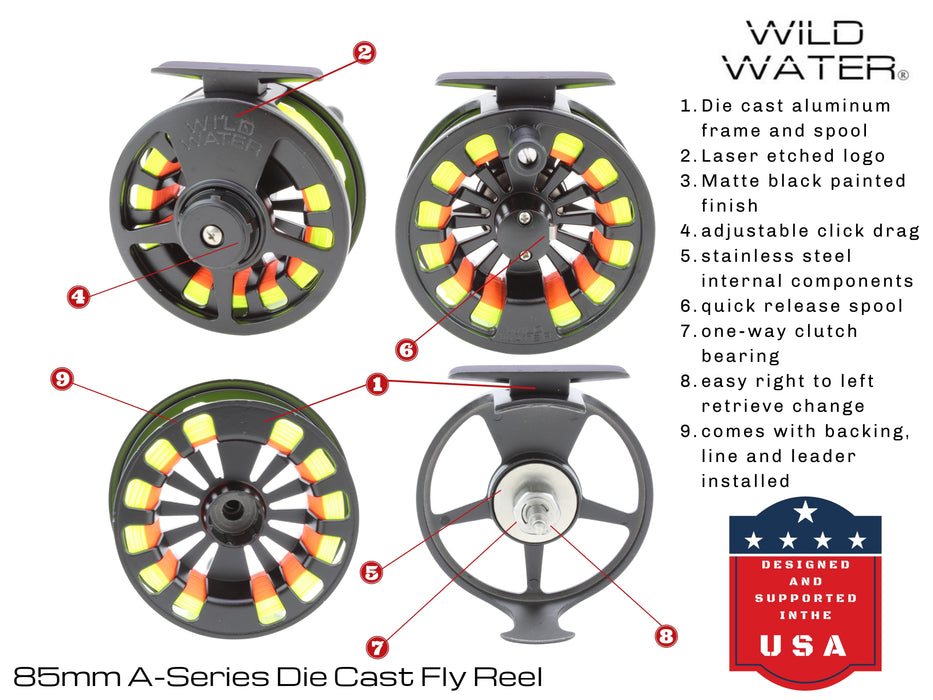
Florida fly fishing requires specific gear. Use a 5-8 wt rod, a saltwater-safe reel, proper fly lines, and strong leaders. Wind, heat, and powerful fish can quickly expose weak equipment.
Here are the fly fishing gear items you should bring:
Freshwater Setup (5-6 Weight)
A 5-6 weight fly rod handles everything from panfish to largemouth bass. This is your do-everything rod if you're fishing ponds, lakes, and rivers. It's light enough to cast all day without tiring your arm, but powerful enough to land 5-8-pound bass.
Use a floating weight-forward fly line and a 6-9-foot tapered leader with 8-12 lb tippet. This same setup works for smaller saltwater species, such as spotted seatrout, if you want to go coastal. Be sure to rinse everything with freshwater after fishing in salt (trust us, salt corrosion will destroy your reel).
Check out our 5/6 weight Deluxe Fly Fishing Kit, which includes everything ready to fish with no assembly required.

Saltwater Setup (7-8 Weight and Up)
Saltwater fish like snook and redfish require an 8-weight rod minimum. Why the heavier rod? Your first snook will strip 30-40 yards of line on the initial run. It's a different experience from catching freshwater bass. Use a 20-30-pound fluorocarbon bite tippet for snook because their mouths are rough like sandpaper. For tarpon, you'll need a 60-80-pound shock tippet.
Learn how to match rod weight to your target species in our guide to choosing the perfect fly rod, or read our guide on tippet vs leader to help you build the right setup.
Flies That Produce in Florida
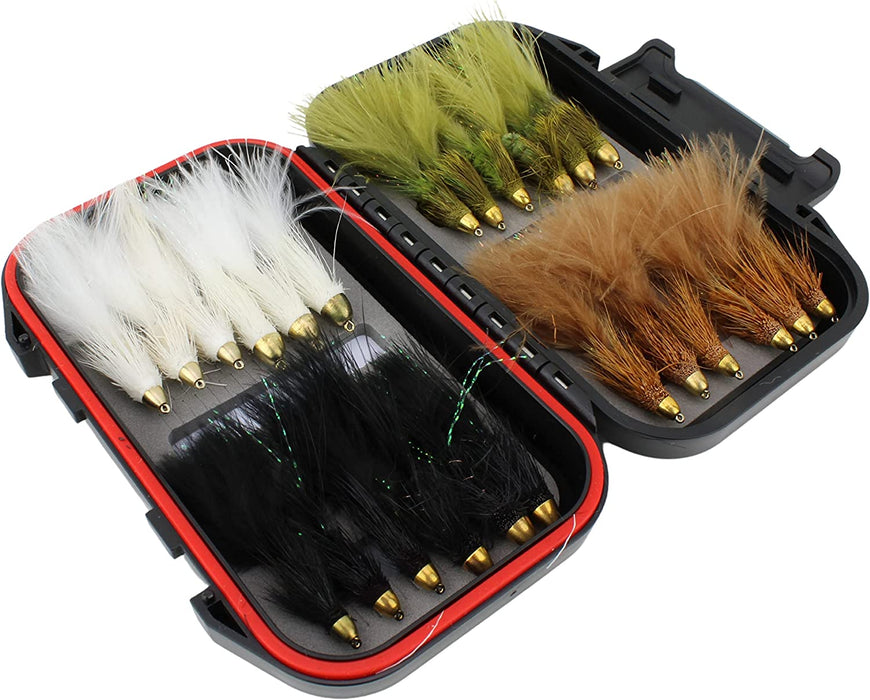
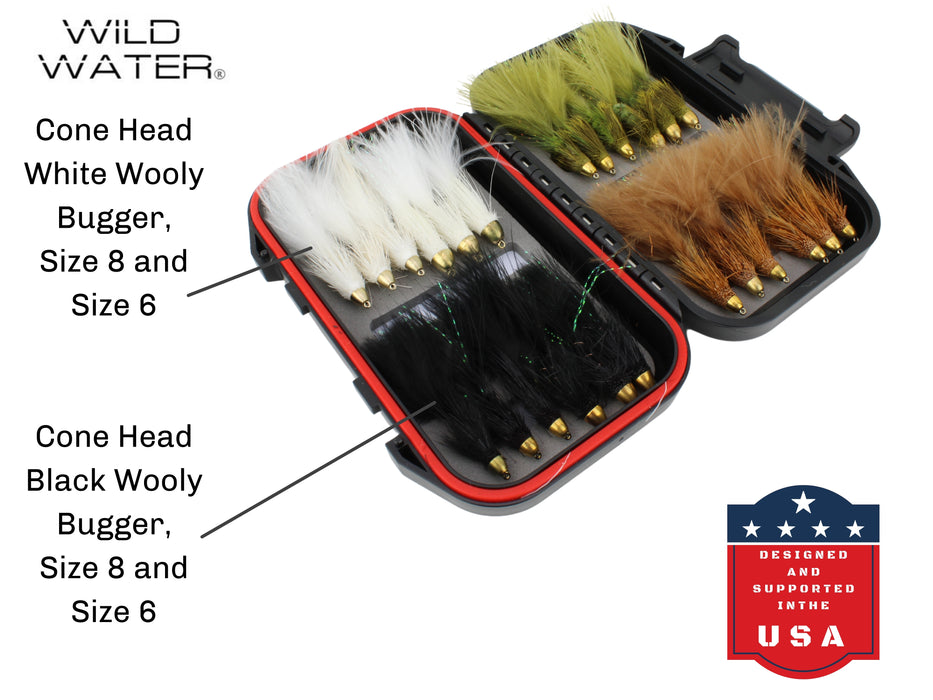
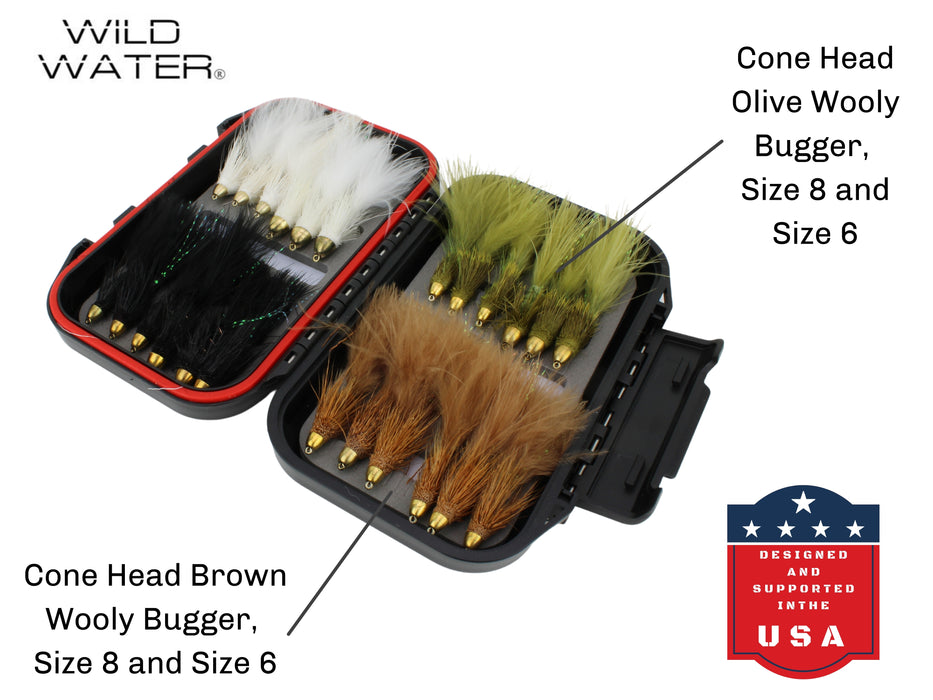
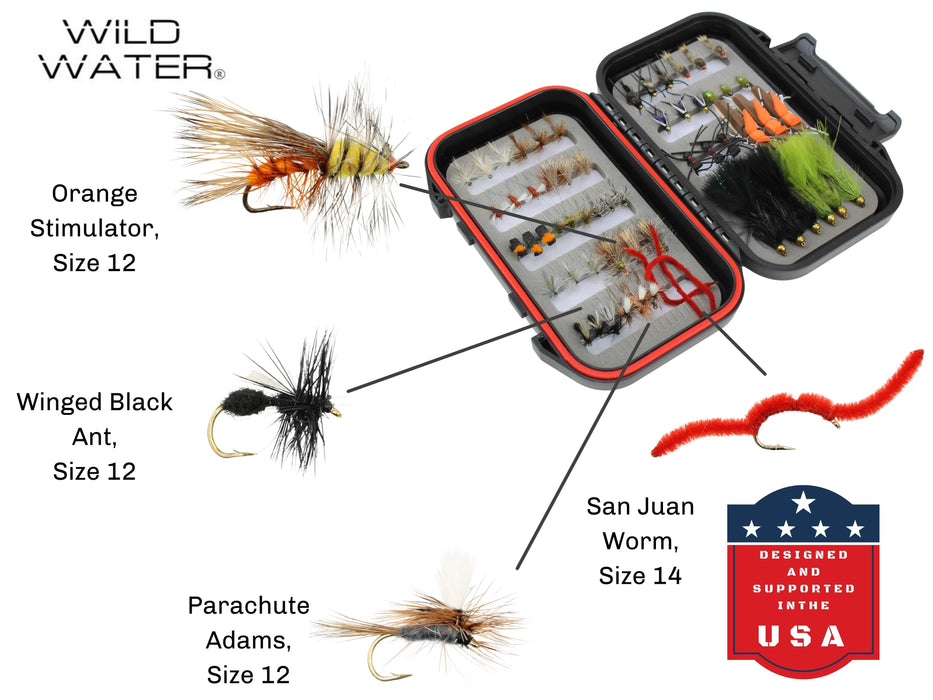
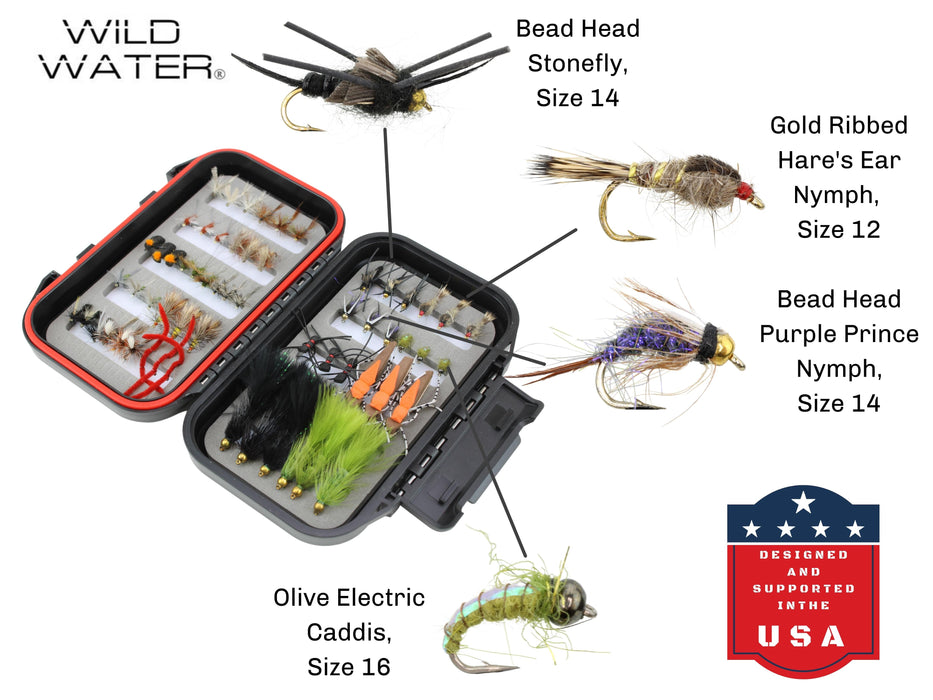
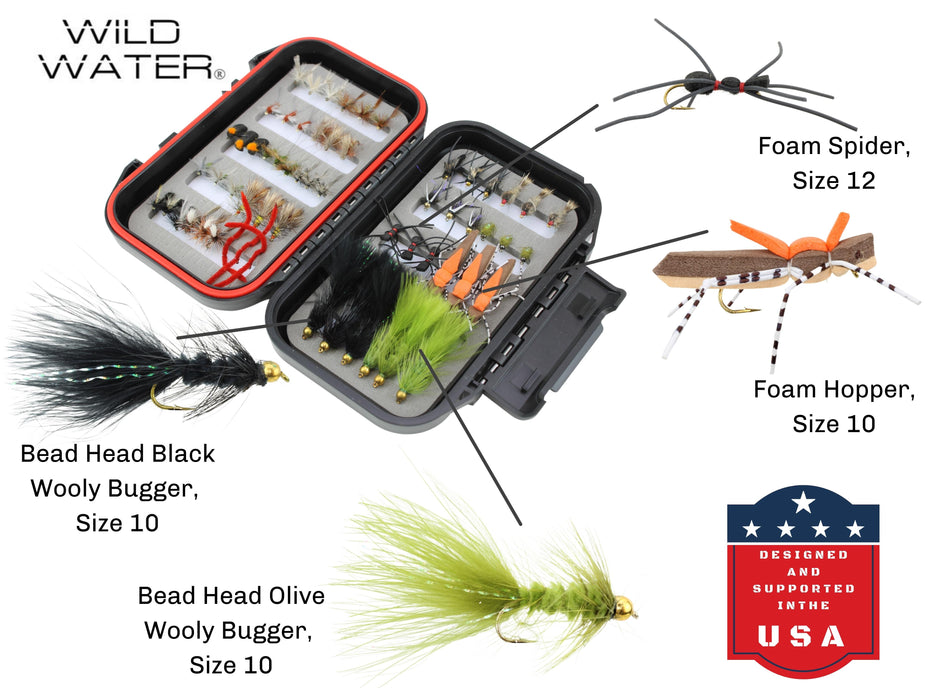
Wooly Buggers in black and olive catch nearly every freshwater species in Florida. It looks alive in the water that we've caught bass, panfish, catfish, and even gar. Fish them with slow retrieves near structure or strip them quickly through open water.
Also, bring in these poppers to cover bass fishing (size 8-12), panfish (size 8-12), and even snook in low-light conditions. These Deceiver and Clouser Minnow patterns imitate baitfish and are effective lures for both freshwater and saltwater species.
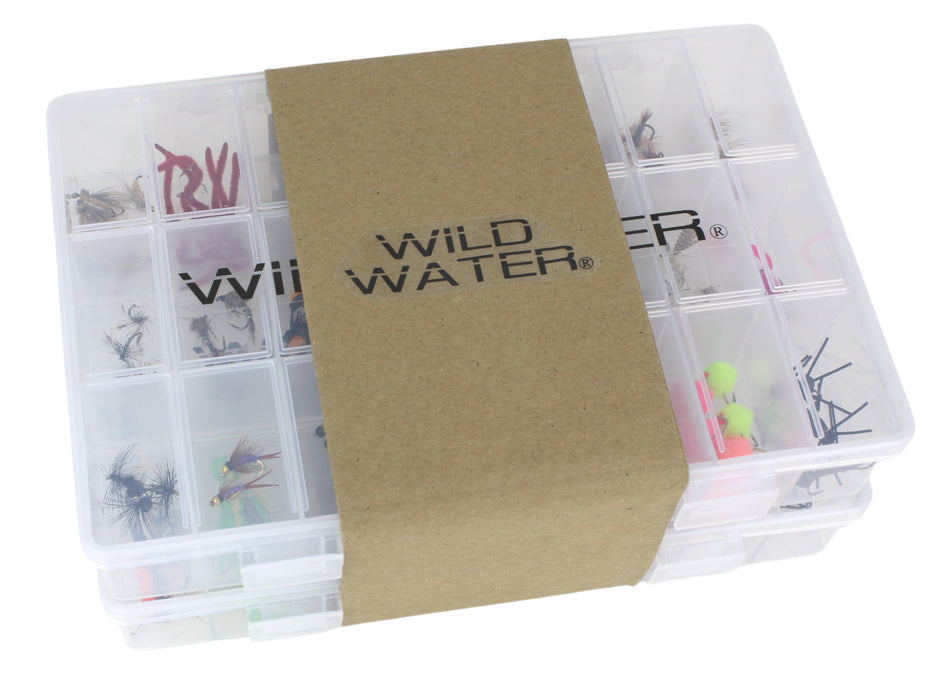
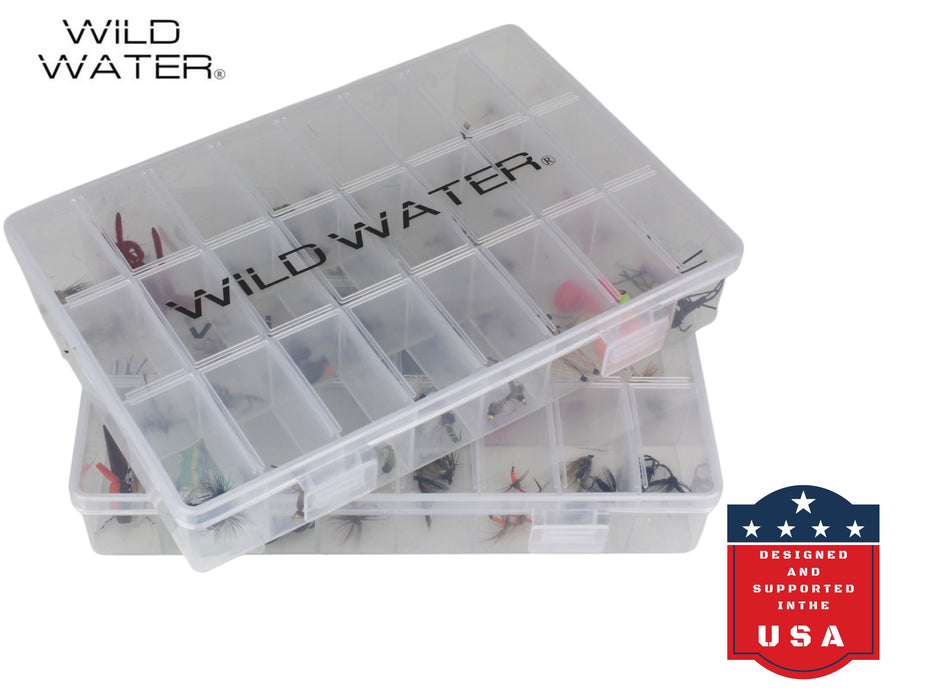
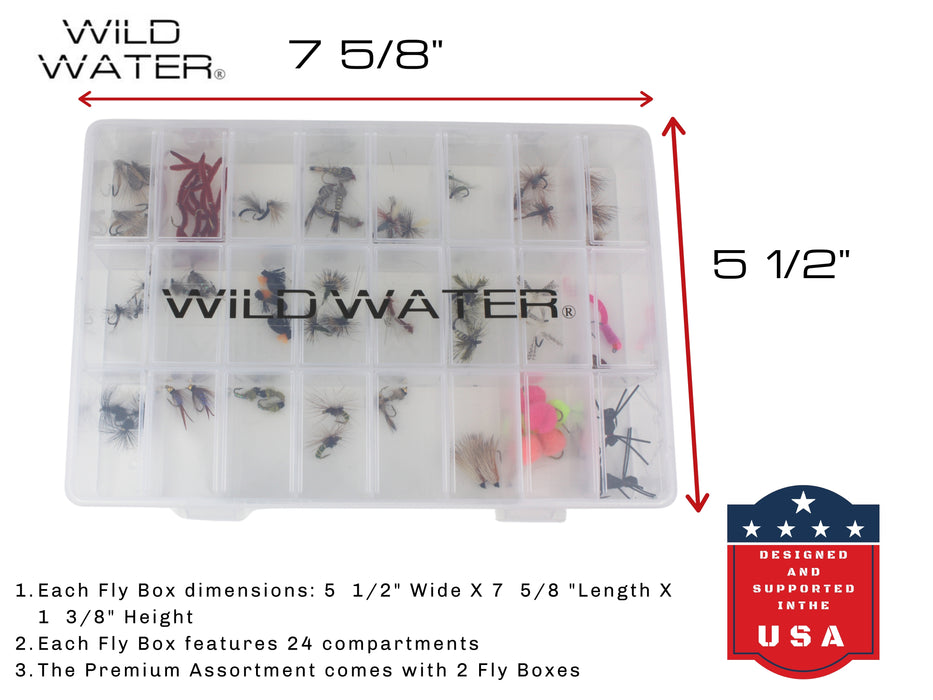
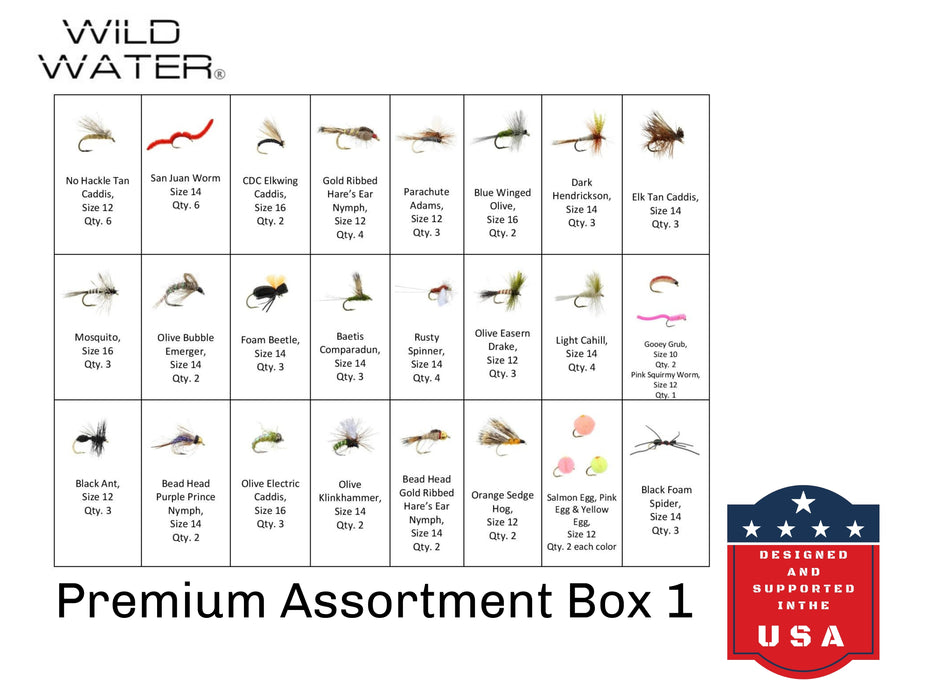
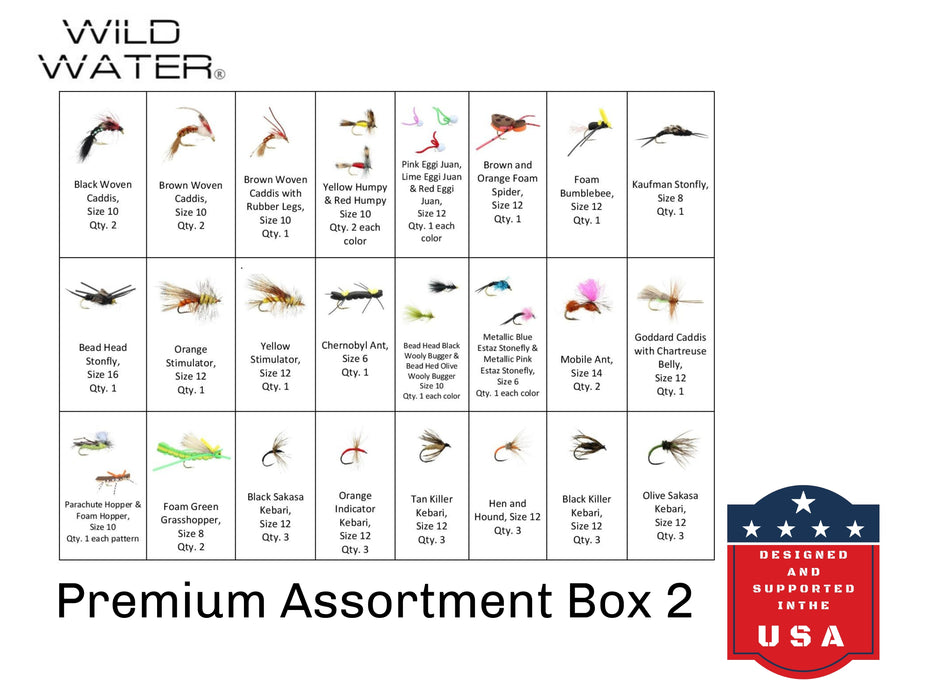
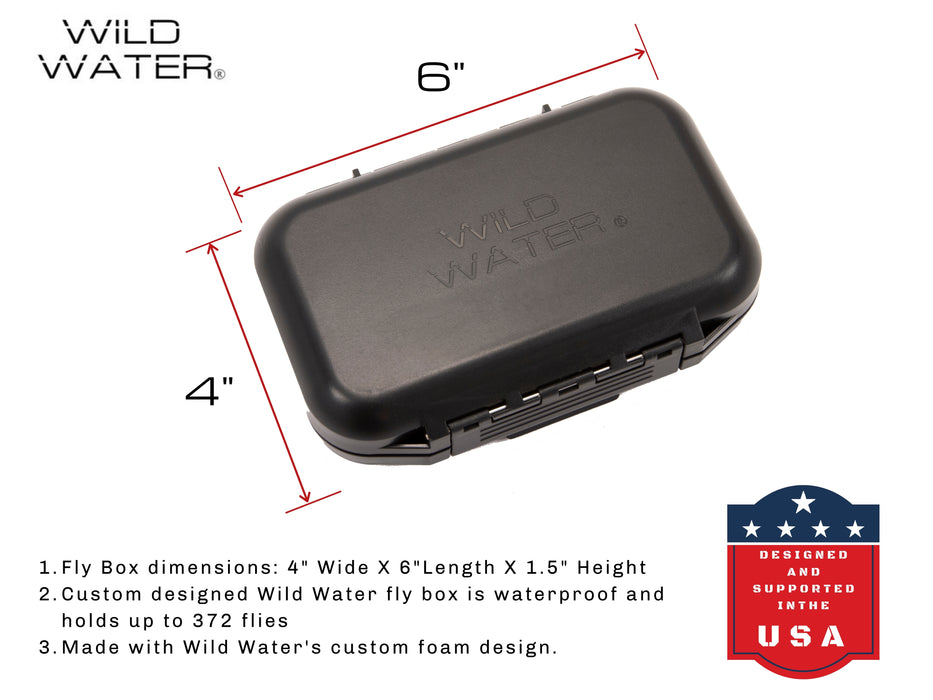
Ready to stock your fly box? Our fly assortment collection takes the guesswork out of selection. Learn more in our guide on choosing the right fly, and explore our different types of flies to match Florida's fishing conditions.

Best Time to Go Fly Fishing in Florida
Florida fishes year-round, but timing your trip around peak species activity improves catch results. Here's your fishing season guide:
|
Season |
Best Species |
Water Temps |
Top Techniques |
What to Expect |
|
Spring (Mar-May) |
Tarpon, post-spawn bass |
70-80°F |
Sight fishing opportunities, poppers |
Peak season, crowded |
|
Summer (Jun-Aug) |
Tarpon, peacock bass |
80-90°F |
Early morning topwater |
Hot, afternoon storms |
|
Fall (Sep-Nov) |
Snook, redfish, bass |
70-80°F |
All-day action |
Most consistent |
|
Winter (Dec-Feb) |
Concentrated fish |
60-75°F |
Between cold fronts |
Fewer anglers |
Spring (March-May)
Spring is one of the best times to fly fish in Florida. Tarpon begin migrating, with fish showing up in the Keys as early as March and peaking from April-June. At the same time, largemouth bass finish spawning and feed aggressively. Because they’re hungry and less selective, simple flies like poppers work well, and you don't need to match the hatch perfectly.
Note: Spring brings mild temperatures (70s-80s°F) and lower humidity than summer. You can fish all day without overheating. Water clarity improves as spring rains taper off, making sight fishing productive in both freshwater and saltwater.
Summer (June-August)
Peak tarpon season continues through June and July in South Florida. But here's the reality: heat pushes freshwater fish into deeper water during midday. Don't bother fishing between 11 AM and 4 PM unless you enjoy sweating for no reason. Topwater poppers produce best at dawn before temperatures rise and the sun gets high.
Expect daily thunderstorms between 2 and 5 PM. They usually pass in 30-60 minutes, and fishing can be productive immediately after. The storm cools the water and increases oxygen levels, which stimulate fish activity.
Fall (September-November)
Redfish and snook feed heavily in the fall as they prepare for winter. During this time, they are more aggressive and less selective. The reason is simple: they’re adding weight before cooler water slows their metabolism. Expect they’re willing to chase larger, even less-perfect presentations.
If you can only make one trip to Florida per year, make it in October or November. Water temperatures stay in the 70s, which keeps fish comfortable and feeding actively. Tourist crowds also drop off, so there’s less boat traffic and more room to fish. More to it, the weather is cooler, the humidity is lower, and you can fish all day without burning out.
Winter (December-February)
Cold fronts push fish into deeper water and temporarily slow the bite. A strong front can shut down fishing for 2-3 days. But here's the opportunity: Between fronts, stable weather produces stable fishing. When you get 3-4 days of sunshine after a front passes, fish become very active. They feed aggressively to make up for days when they weren't eating.
Fewer anglers on the water means less fishing pressure. We've fished winter days in the Keys and seen only 2-3 other boats all day, compared to 20-30 during peak season. Winter concentrates fish in deep channels, dark-bottomed areas that absorb heat, and spring-fed waters. You can read our tips for fly fishing in dirty, muddy water for post-front conditions.
Techniques That Work for Florida Fly Anglers
Now comes the fly fishing techniques. Sight fishing the flats is the most effective way to fish shallow, clear water in Florida. If that doesn’t work, switch to topwater fishing when fish feed near the surface. Subsurface fishing is your final resort when fish move deeper.
Let’s explain when and how to use each.
Sight Fishing the Flats
Can you spot a fish before it sees you? That's the entire game of sight fishing. Polarized sunglasses are essential to avoid fishing blindly. Without it, you can't likely see through surface glare to spot cruising fish.

Quick Tip: Cast ahead of moving fish. Let the fly land in their way rather than on their heads. To do it, lead the fish by 3-5 feet and let them come to the fly. Landing a fly directly on a fish spooks it every single time, no matter how soft your presentation. We've learned this lesson the hard way.
Slow, deliberate strips often outperform fast retrieves for wary flatfish species such as bonefish. We've watched fish refuse a fast-moving fly, then crush the same pattern when we slowed down the retrieve to a crawl. Why? They want to see the fly behave naturally, and prey doesn't race across the flats at high speed.
Move slowly when wading and shuffle your feet instead of lifting them.
Working Topwater for Bass and Panfish
Let your fly sit motionless after landing, then twitch sharply with brief pauses between pops. The pause is when most strikes happen. This feels completely wrong at first. Count in your head between pops: one-thousand-one, one-thousand-two, one-thousand-three, one-thousand-four, one-thousand-five. It works for us and many Florida anglers to date.
What if fish are following but not striking? Downsize your popper or use a quieter pattern. Sometimes fish prefer subtle movement over loud splashes. When there's a lot of surface activity but no takes, slow your retrieve. Fish early morning (6-9 am) and late evening (6 pm-dark). During these windows, bass move shallow to feed.
Subsurface Presentations with Streamers
Wooly Buggers and minnow patterns catch fish when topwater goes quiet. When you stop seeing surface activity, it doesn't mean the fish stopped feeding. They either moved deeper or became less willing to surface.
To do this, tie a popper to your tippet, then attach 18-24 inches of tippet to the hook eye or bend of the popper with a Wooly Bugger on the end. You're fishing topwater and subsurface at the same time. Genius, right?
We often catch more fish on the dropper than the popper when running this rig. The popper acts as a strike indicator. If it goes under or twitches unnaturally, set the hook (the fish takes the dropper). Understanding dry flies vs wet flies helps you choose the right combination.
Getting Started: Florida Fly Fishing for Beginners
Our best tip is to start on calm freshwater before attempting windy saltwater flats. Local ponds provide low-pressure practice where casting mistakes don't spook every fish within 50 yards. We recommend this 7/8 weight Deluxe Fly Fishing Combo for freshwater, which removes the guesswork of matching rod, reel, line, and leader so you can focus on learning to cast.
Panfish like bluegill hit eagerly and help build casting confidence before you target more challenging species like bass or saltwater fish. Consider booking a fishing charter for your first saltwater outing to learn local patterns and techniques from someone who knows the water.
Florida Fishing License Requirements
Florida requires a freshwater or saltwater fishing license, depending on where you fish. Typical rate ranges from $15 to $30 for non-residents. Combination licenses are available to cover both freshwater and saltwater, which makes sense if you're fishing ponds and flats during the same trip.
In some areas, fishing from a licensed charter boat typically includes your license. Get a fishing license through our partner link or purchase from the FWC Fishing License Page. Always keep your license safe. We store ours in a waterproof bag in the tackle pack.
Start Your Florida Fly Fishing Adventure with Wild Water
Ready to get started? Pick your target water type first (freshwater vs saltwater). If you're new to fly fishing, start with freshwater ponds near you. They're easy to access, low-pressure, and more forgiving while you learn to cast and control line.
Got solid casting skills? Step up to saltwater. You can book a guided trip in the Florida Keys or Tampa Bay to shorten your learning curve and put you on productive water. Learn more tips from our complete beginner's guide to fly fishing, and save this fishing gear checklist to set you up before your first trip. Chase bigger water when you’re ready.
FAQs About Fly Fishing in Florida
Do I need a guide for my first Florida fly fishing trip?
For freshwater ponds and lakes, you can fish successfully on your own with basic gear and local knowledge. Saltwater flats fishing, especially in the Everglades or Keys, benefits from hiring a fishing guide who knows the complex waterways.
What should I wear for saltwater fly fishing in Florida?
Lightweight, breathable clothing with sun protection is essential. Long-sleeve shirts rated for UV protection, a quality hat, polarized sunglasses, and water-ready footwear handle most conditions. Bring rain gear during the summer months when afternoon storms are common.
Can beginners realistically catch tarpon on fly?
Smaller tarpon (20-40 pounds) are achievable for intermediate fly casters. Giant ones over 100 pounds require advanced casting skills and a guide who can position you properly. Most new fly anglers start with snook or redfish.
Are there public access points for fly fishing in Florida?
Yes. State parks, wildlife management areas, public boat ramps, and designated fishing piers provide access throughout Florida. Many productive freshwater ponds sit on public land. Saltwater wade fishing spots exist along both coasts with proper research.
How far in advance should I book a Florida fly fishing charter?
Peak season charters (spring tarpon, fall redfish) book 2-3 months ahead, especially for well-known guides. Off-season trips often have availability within a few weeks. Weekday trips are generally easier to book than weekends year-round.