| River Length | 64 miles (Upper: 25 miles, Lower: 12 miles) |
| Season | July 1 through November 30 |
| CLOSURE WARNING | June 1-30 annually (spawning protection) |
| Primary Species | Yellowstone cutthroat, rainbow trout, brook trout |
| Best Months | July, August, September |
| License Cost | $20.75/day or $98.25/season (non-resident) |
| Nearest Towns | Victor, ID (2 min) / Driggs, ID (15 min) |
| Flow Data | USGS Gauge #13055000 |
On June 5, 1976, the Teton Dam collapsed and sent 80 billion gallons of water through this valley. Eleven people died. But in the decades since, Idaho's Teton River rebuilt itself into one of the finest cutthroat fisheries in the western United States.
Today the Teton River offers 64 miles of fly fishing through the Teton Valley, framed by the Teton Mountain Range to the east. Yellowstone cutthroat trout rise freely to dry flies in water so clear you can sight-cast to individual fish. Rainbow trout, brook trout, and the occasional brown trout round out what has become a world-class fishery that still flies under the radar.
Before you start planning your trip, though, you need to understand the rules that protect this fishery.
Teton River Fishing Regulations & Idaho License Requirements
The most important rule on the Teton is the one that catches anglers off guard: check the Quick Facts box for season dates and the June spawning closure. Show up on June 2 expecting great fishing and you will be driving home disappointed.
Once you are on the water legally, the regulations focus on protecting the fish that make this river special. Every cutthroat trout and cutthroat hybrid goes back in the water immediately. These native Yellowstone cutthroat are the reason this fishery exists, and Idaho protects them accordingly.
Rainbow trout and brook trout are fair game if you want dinner: 2 rainbows and 6 brook trout per day, no size minimums. Brown trout follow general Idaho regs with a 2-fish limit. To land any of them legally, you will need to pinch down your barbs. Single barbless hooks only. Game wardens patrol regularly during summer, and they will check.
Speaking of things wardens check, make sure you actually have a license on you. Non-residents pay $20.75 for a single day or $98.25 for the full season. You can purchase your Idaho fishing license online and print it before you leave. Do that. The river is too good to waste time sorting out paperwork in Victor when you could be on the water.
Now that you know the rules, let's talk about where to use them.
Fish the Teton River: Upper, Lower & Canyon Sections
The Teton fishes like three completely different waters depending on where you drop in. Think of it as a journey: the upper river offers intimate dry fly water, the lower river provides easier access and different species, and the canyon in between challenges even experienced anglers. Each section rewards a different approach.
Upper Teton River: 25 Miles of World-Class Dry Fly Water
The upper Teton runs roughly 25 miles from its headwaters near Wyoming down to the old dam site. This is the water that earns the Teton its reputation among dry fly anglers.
The river up here is cold, clear, and intimate, winding through willow-lined banks and open meadows. It feels more like a spring creek than a freestone river. That clarity is a double-edged sword, though. Fish see everything, which means they spook easily. Stay low, move slow, and you will be rewarded.
Yellowstone cutthroat dominate the upper section, averaging 12 to 16 inches with fish over 18 inches showing up regularly in the deeper bends and undercut banks. A 5-weight fly fishing kit handles most situations. Brush up on your dry fly techniques before you go, because sloppy presentations get ignored.

When the surface goes quiet, switch to nymphs. A two-fly rig fished under an indicator works well in the deeper runs. Check out our nymphing guide if subsurface fishing is new to you. Wade fishing is the norm here since narrow channels and overhanging willows make drift boats impractical.
As you move downstream past the old dam site, the character of the river changes dramatically.
Lower Teton River: Accessible Fishing Near Victor
Below the dam site, the lower Teton stretches about 12 miles before joining the Henry's Fork of the Snake River near Rexburg. Where the upper river felt intimate and technical, this section runs wider, slower, and warmer through agricultural land.
The trade-off is access. Several public access points near Victor and Driggs make this the easiest section to reach, which also means more fishing pressure. If solitude matters to you, fish early or late when the crowds thin out.
The fish population shifts here too. You will still catch cutthroat, but rainbow trout become more common as you move downstream. Brown trout hold in the deeper holes, and whitefish are everywhere. A 6-weight setup gives you the versatility to punch through the wind that blows constantly through Teton Valley, plus the backbone to throw streamers when dry flies get ignored.
Those streamers matter here. Bigger browns often refuse surface flies but will chase a well-presented sculpin pattern into the shallows. Our guide on streamer fishing covers the retrieves that trigger strikes. If you want to cover even more water, drift boats work well on this section for reaching fish that rarely see flies from bank anglers.
Between these two sections sits a stretch that demands respect.
The Narrows: Technical Water for Experienced Anglers
Where the upper and lower river meet, a short canyon stretch locals call the Narrows pinches the river between rock walls. The current picks up, boulders choke the channel, and the whole character of the fishery changes again.
This is not beginner water. Browns and rainbows dominate here, with fish over 20 inches lurking in the deeper pools. The turbulent water makes surface tracking difficult for fish, so nymphing outproduces dry flies in most conditions. A heavier trout fly fishing kit handles the deeper water and bigger fish. Our guide on reading water helps you find the subtle seams that hold the best fish.

Save the Narrows until your wading skills and water reading improve. The upper and lower sections offer plenty of quality fishing while you build experience.
Once you know which section fits your skill level, the next question is how to get there.
Teton River Access Points Near Victor & Driggs
Public access points cluster around Victor and Driggs, making Teton Valley a convenient base for exploring different water throughout your trip.
Cache Bridge is the most popular access point, and for good reason. Located minutes from Victor, it puts you on productive water with easy parking and a clear path to the river. The downside is that everyone else knows about it too. Expect company on summer weekends, especially if you arrive after 9 AM.
If you want more solitude, Bates Bridge sits further upstream and sees lighter pressure. The trade-off is a longer drive on gravel roads that get rough after rain. Buxton Bridge offers a middle ground with moderate pressure and decent parking, making it a good choice for first-timers getting a feel for the river.
For the lower river, Felt Dam and Riverside Campground provide bank access to slower water with different structure than the upper sections.
A practical note: cell service in Teton Valley Idaho ranges from spotty to nonexistent, so download maps before you leave town. Our beginner's checklist covers everything else you should have in your pack.
Understanding when to fish matters as much as where. Here is what hatches when.
Teton River Hatch Chart: Mayflies, Caddis & Stoneflies by Month
The Teton produces solid mayfly hatches throughout the summer, with caddis filling gaps and terrestrials becoming important as the season progresses.
| Month | Primary Hatches | Recommended Flies | Size |
|---|---|---|---|
| July | PMDs, Yellow Sallies, Caddis | Pale Morning Dun, Yellow Sally, Elk Hair Caddis | 14-18 |
| August | Drakes, Caddis, Hoppers | Green Drake, Caddis Emerger, Parachute Hopper | 10-16 |
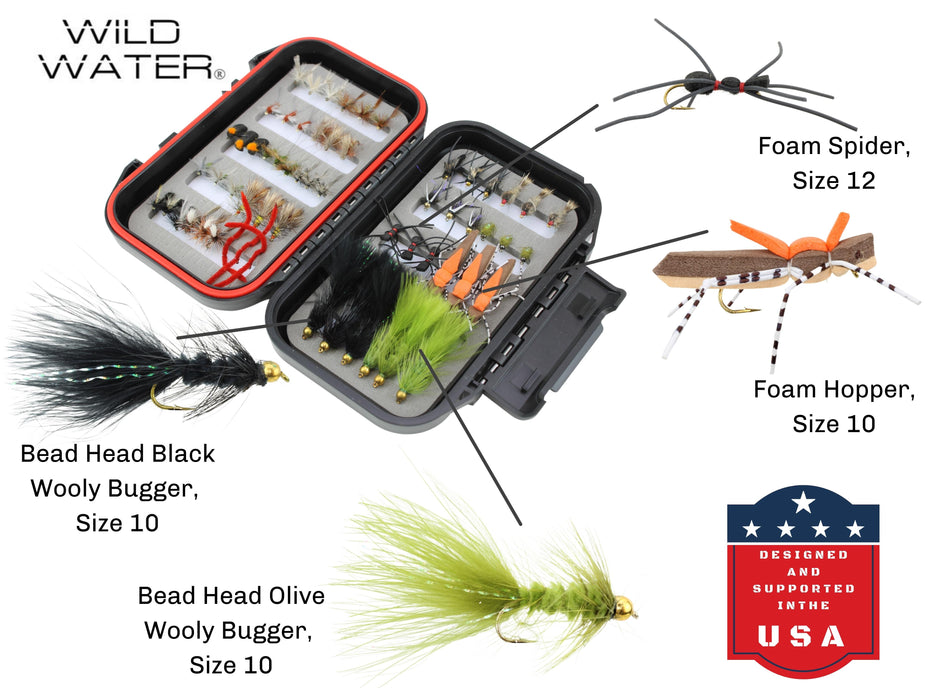
| September | Baetis, Caddis, Hoppers | Blue Wing Olive, October Caddis, Foam Hopper | 14-20 |
| October | Baetis, Midges | Blue Wing Olive, Griffith's Gnat, Zebra Midge | 18-22 |
| November | Midges, Late Baetis | Midge Cluster, BWO Spinner, Thread Midge | 20-24 |
The season kicks off in July with Pale Morning Duns and Yellow Sallies bringing fish to the surface consistently. Caddis join the party in the evenings and stick around all summer. Once August arrives, things get exciting. Green Drakes are big enough that even lazy trout will move for them, and grasshoppers start falling into the water along grassy banks. This is when terrestrial flies earn a permanent spot in your box.

The fishing only improves as crowds thin after Labor Day. September brings blanket baetis hatches on overcast afternoons, pulling every fish in the system to the surface. Hoppers still work along the banks, giving you options when the mayflies take a break. By October, you will need to downsize. Baetis continue into the cooler weather, and midges take over as temperatures drop.
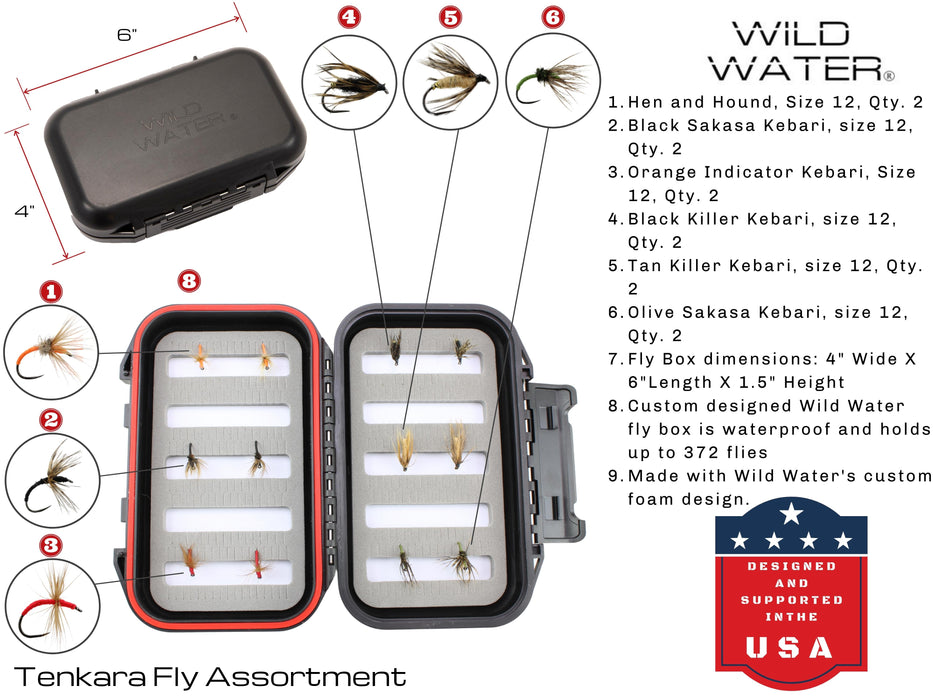
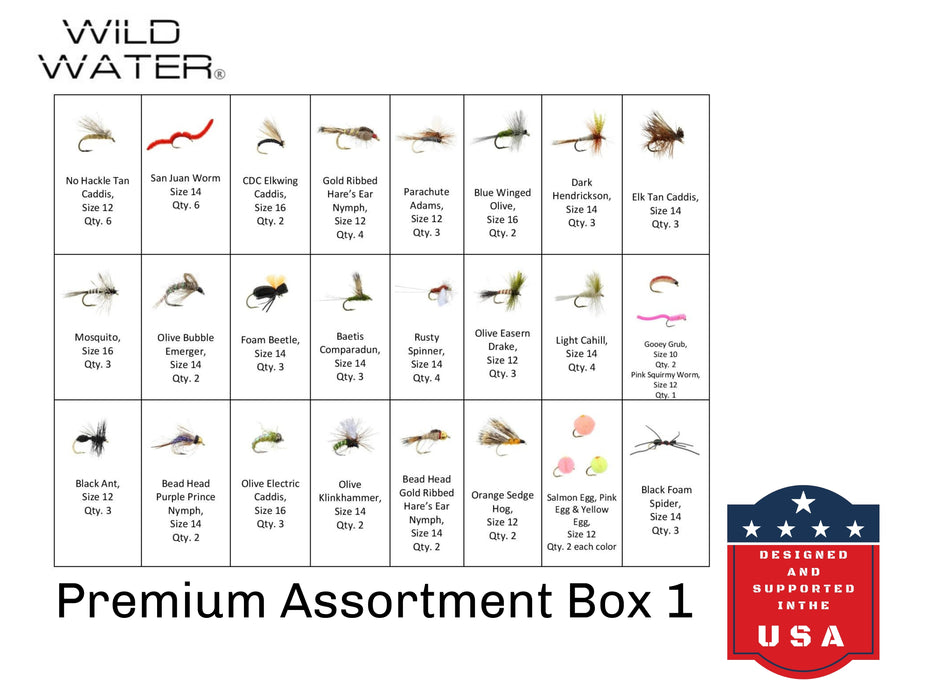
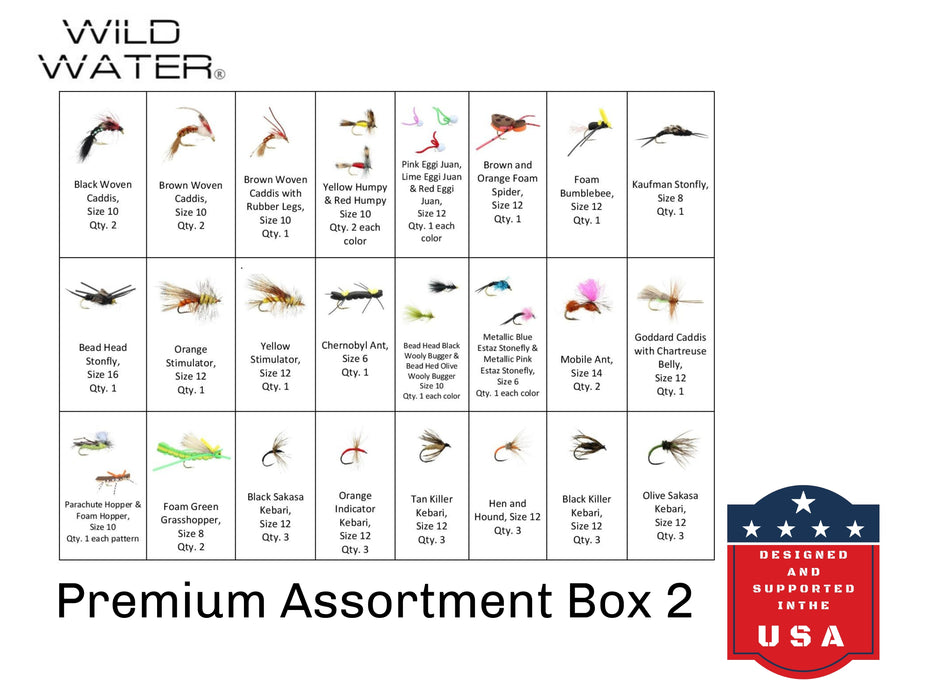
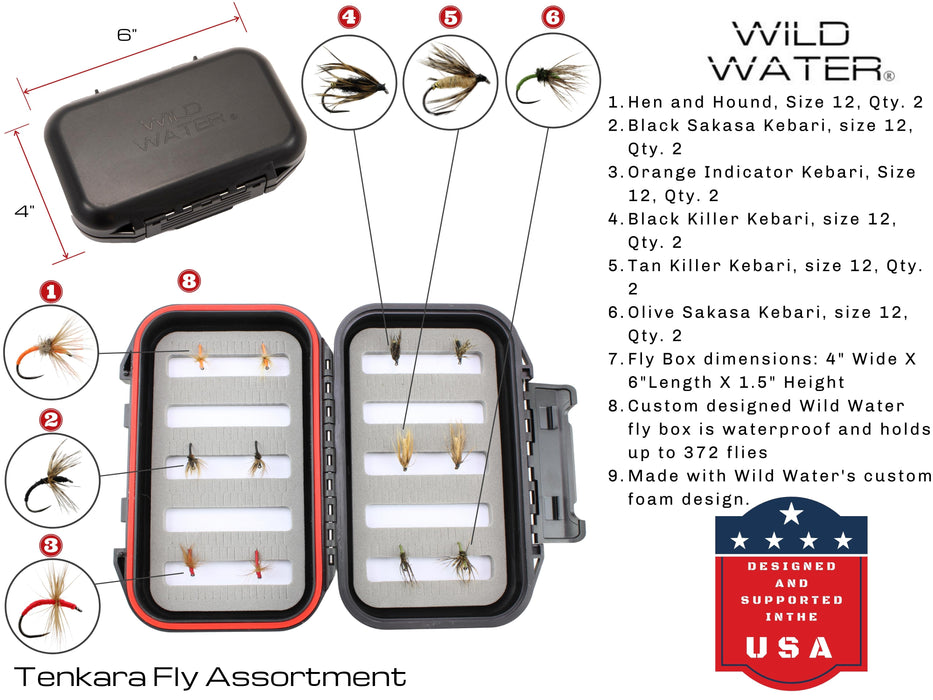
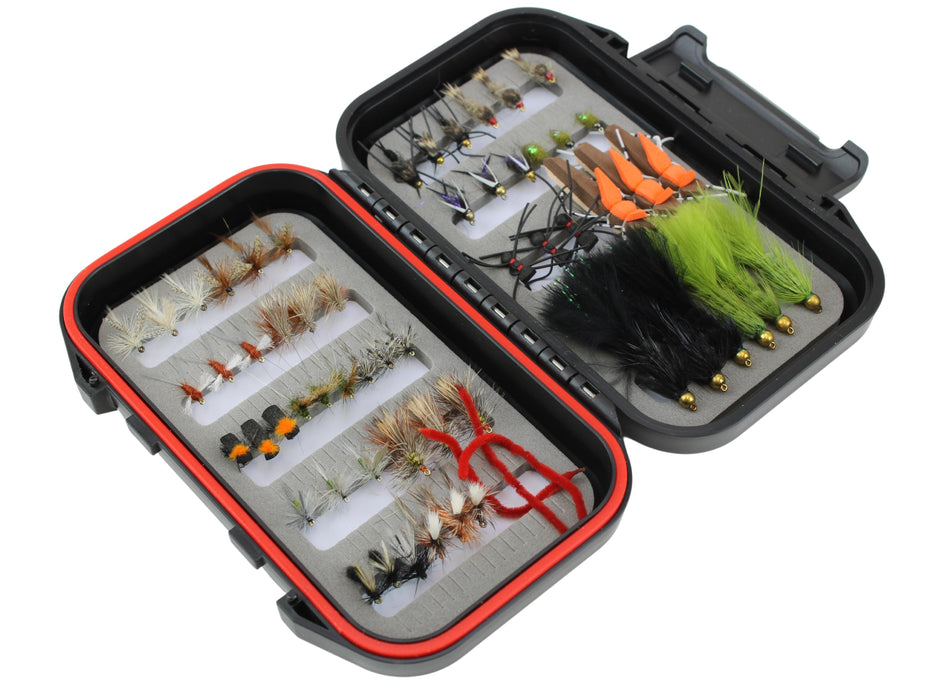
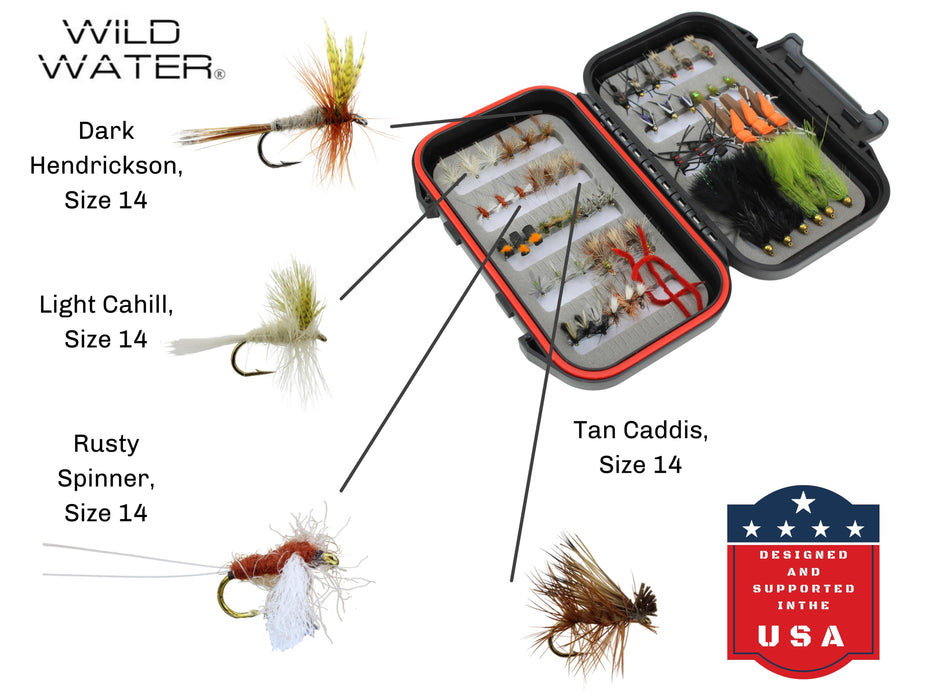
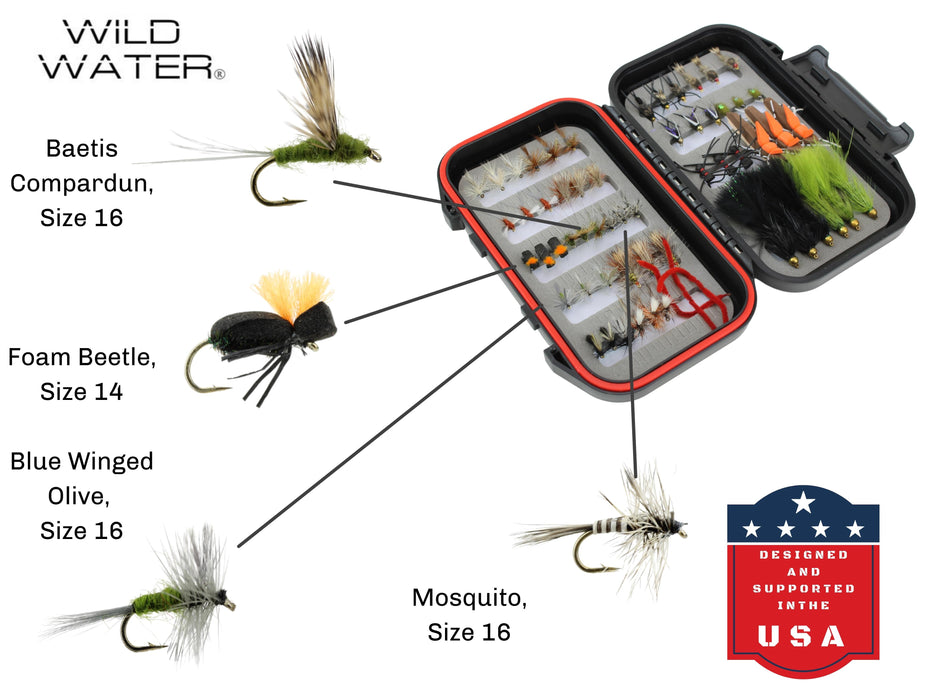
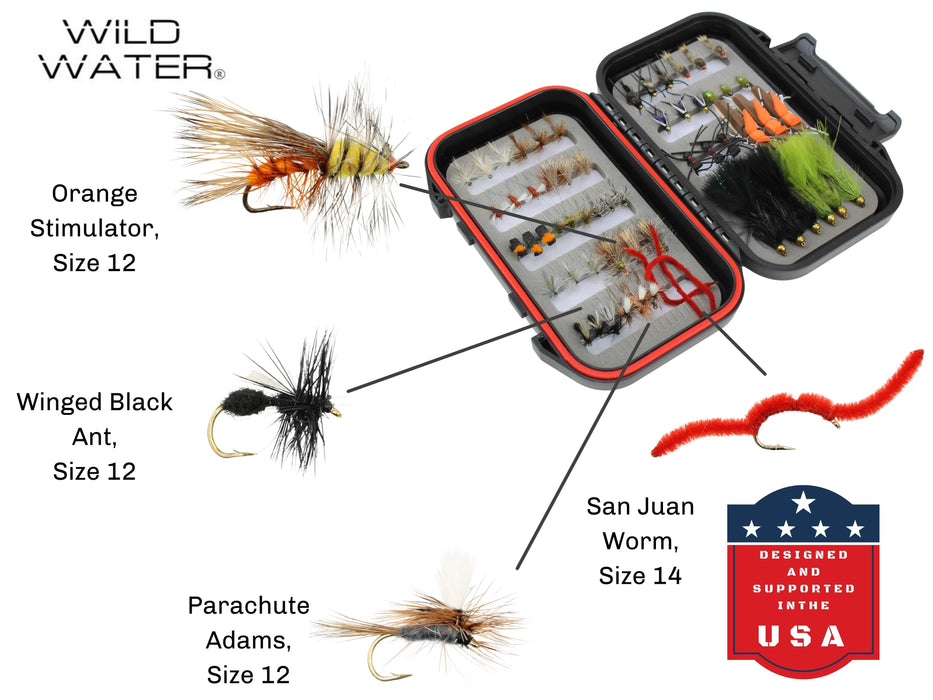
For most situations, stock your box with Parachute Adams, Elk Hair Caddis, Blue Wing Olives, and Pheasant Tail nymphs in various sizes. Add hopper patterns and a few attractor patterns for when nothing obvious is hatching. Our fly selection guide goes deeper on matching flies to conditions.

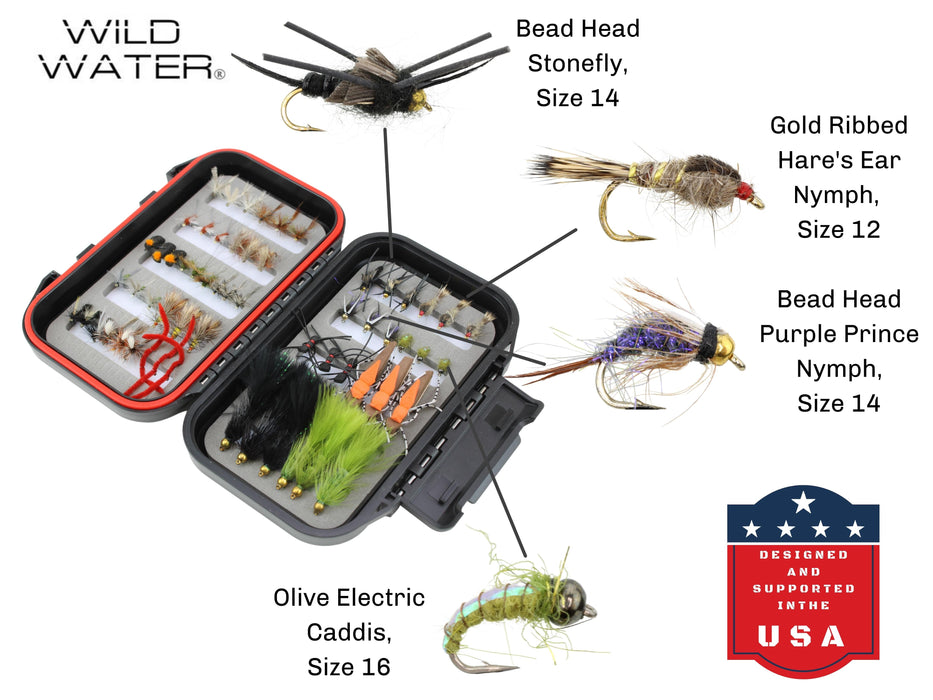
For subsurface work, carry Hare's Ear nymphs, Prince Nymphs, and rubber legs patterns. Browse our nymph patterns and caddis flies to round out your box. Our guide on dry flies vs wet flies clears up when to fish on top versus underneath.
Of course, hatches only matter if the river is fishable.
Teton River Fishing Report & Current Conditions
The USGS maintains a real-time gauge on the Teton River (Gauge #13055000) that updates hourly. Bookmark it. Checking flows before you drive out takes 30 seconds and can save you from wasting a day on blown-out water.
Ideal flows for wade fishing fall between 150 and 400 CFS. This range gives you easy wading, clear visibility, and actively feeding fish. Below 150 CFS, the water gets thin and fish become spooky. Above 500 CFS, wading becomes difficult and visibility drops enough to make sight-casting tough.
Spring runoff typically peaks in late May and early June, which conveniently overlaps with the spawning closure. By the July 1 opener, flows have usually dropped into fishable range. Late season flows from September through November run stable and low, perfect for technical dry fly fishing when every fish in the river seems to be looking up.
Our species and line weight chart helps match your setup to whatever conditions you find.
With all that covered, here are answers to the questions anglers ask most often.
Teton River Fly Fishing FAQs
Do I need a guide or outfitter for Teton River fishing?
Not required, but a guide shortens your learning curve significantly. Local outfitters know which sections fish best on any given day, where pressure is lightest, and what flies are producing right now. If you only have a day or two, the investment often pays for itself in fish caught.
Is Teton River fly fishing beginner-friendly?
Parts of it are. The lower river near Victor offers easier wading, forgiving currents, and fish that tolerate imperfect presentations. Start there. The upper Teton demands better casting and stealth but rewards good technique. The Narrows should wait until you have solid wading skills. Overall, the Teton ranks as one of the better places in the western United States for newer anglers to experience world-class cutthroat fishing.
What flies work best for Teton River fishing?
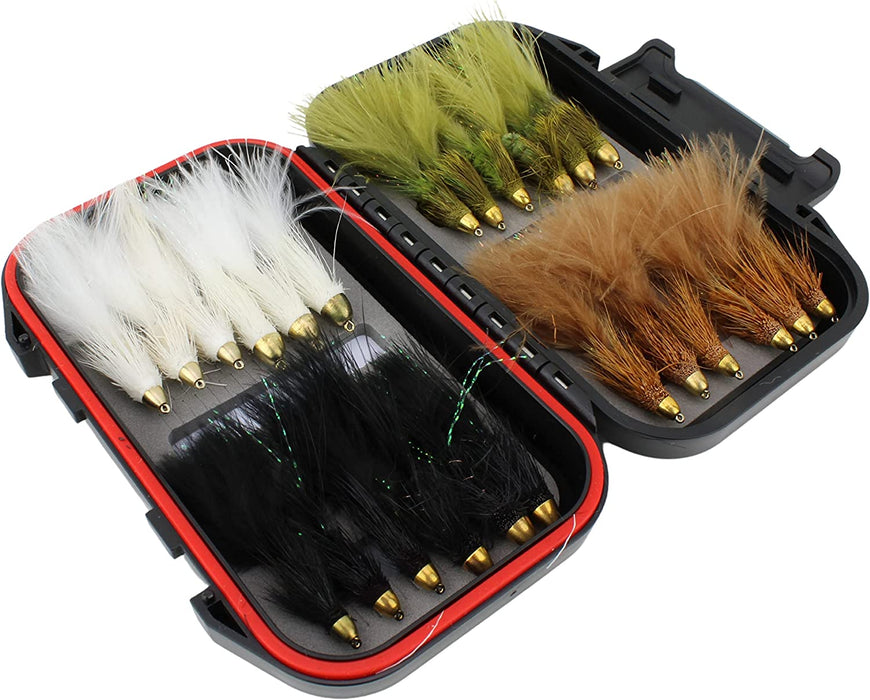
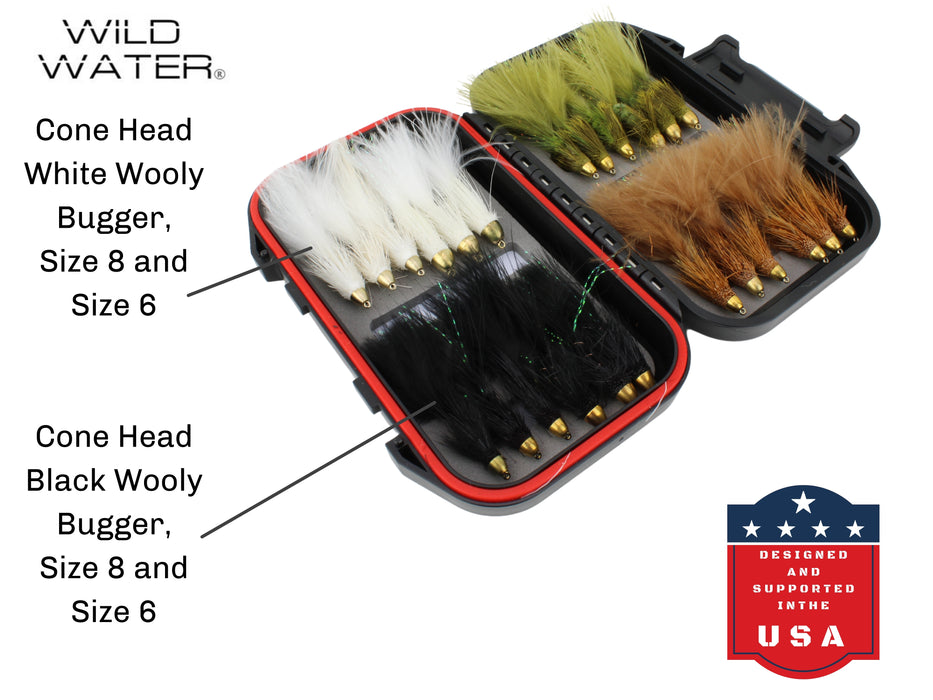
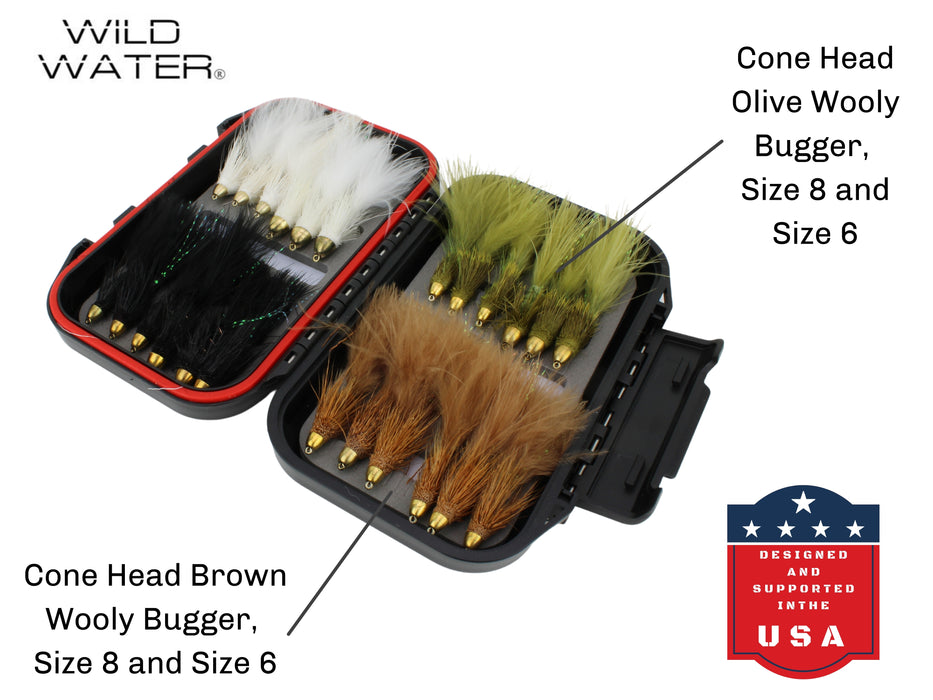
Parachute Adams, Elk Hair Caddis, and Blue Wing Olives cover most dry fly situations. Pheasant Tails, Hare's Ears, and Prince Nymphs in sizes 14 through 18 handle subsurface. Hopper patterns matter from late July through September. One olive Woolly Bugger in size 8 rounds out your streamer needs.
Can I wade the Teton River or do I need drift boats?
Wade fishing works beautifully on most of the Teton, especially the upper river where the channel stays narrow. You can spend an entire trip on foot and never feel limited. Drift boats help on the lower river for covering more water, but they are far from required.
Plan Your Teton River Fly Fishing Trip
The Teton delivers everything an angler could ask for. Native Yellowstone cutthroat rising to dry flies. Clear water running through one of Idaho's most striking valleys. Accessible fishing minutes from Victor with world-class water in every direction. And somehow, it still flies under the radar compared to famous destinations nearby.
You now have what you need to fish the Teton with confidence: the regulations, the access points, the hatches, and the flies that fool these fish. All that remains is getting there.
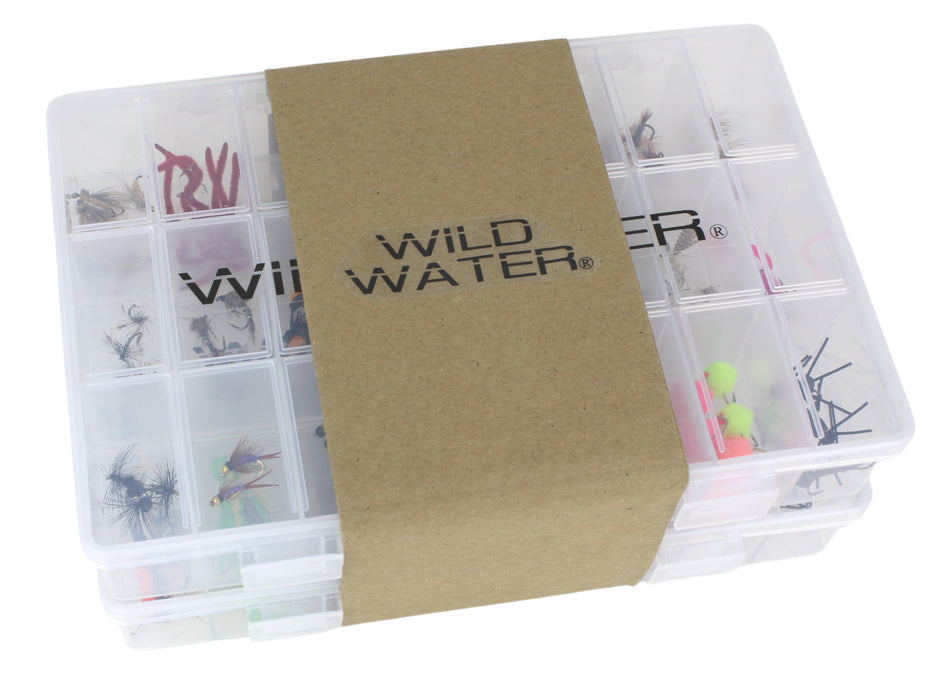
If you are building your gear collection, our trout fishing kits include everything you need to start catching fish immediately. Pair a kit with one of our fly assortments and you will show up prepared for whatever the Teton throws at you.
New to fly fishing entirely? Our beginner's guide to fly fishing walks you through the fundamentals. Browse our complete collection of fly fishing kits to find the right setup for your Teton Valley getaway.
The fish are waiting. Go catch them.