Minnesota might not be the first state that comes to mind when you think of fly fishing. But here's the thing: the Land of 10,000 Lakes also has over 69,000 miles of fishable streams and rivers. That's more shoreline than Hawaii, California, and Florida combined!
And if you're looking for the best place to start, Duluth delivers. Steelhead, salmon, rainbow trout, brown trout, brook trout... they're all here. The water runs cold and clear, the fishing pressure stays low, and most of the good water is public.
This guide covers everything you need to fish the Duluth area: where to go, when to fish, what flies to throw, and the gear that actually works on these streams.
Fly Fishing Duluth: Minnesota's North Shore Gateway
Duluth isn't your typical fly fishing destination. Two hours north of Minneapolis, the landscape shifts from prairie flatland to something that feels more like the Pacific Northwest. Steep hills rise 400 to 600 feet above Lake Superior, covered in pine forests and exposed lava rock. It looks like mountain country, and it fishes like it too.
The streams along the north shore of Lake Superior run cold year-round thanks to spring-fed headwaters. Most never freeze completely in winter, and they stay cool enough to hold healthy trout populations even in July. You'll find pocket water, plunge pools, and boulder-strewn runs that remind you of western freestone streams, just without the crowds.
Here's a secret the locals already know: most anglers in the Duluth area fish with spinning gear. The trout aren't conditioned to see flies, which means a well-presented nymph or streamer often outperforms hardware. If you can read water and make a decent cast, you're already ahead of the game.

Six species of trout and salmon swim within 20 minutes of downtown. Resident rainbow, brown, and brook trout hold in the smaller tributaries. Migratory steelhead and salmon push up from Lake Superior in fall, turning these modest creeks into legitimate fisheries. Add in the pine-scented air and scenic bluffs, and you've got a destination worth the drive.
If you're new to trout fly fishing, the Duluth area offers a forgiving place to learn. The streams are wadeable, the fish are willing, and you won't need to mortgage the house for a guided trip just to find good water.
Lester River: Duluth's Premier Trout Stream
If you only fish one river near Duluth, make it the Lester. This 20-mile stream flows right through the heart of the city, which sounds unimpressive until you see it.
Forget urban fishing stereotypes. The Lester runs through forested ravines and over exposed bedrock, holding resident rainbow trout and brown trout alongside seasonal runs of steelhead and salmon from Lake Superior.
The river earns its reputation for variety. You'll find pocket water behind boulders, deeper pools below small falls, and long glides where trout stack up on warm afternoons. The character changes every few hundred yards, so if one stretch isn't producing, walk upstream and try something different.
The easiest access is at Lester Park Golf Course, where you can park and fish your way upstream toward the headwaters or downstream toward the lake. Most fly anglers work upstream, covering water methodically and letting the current carry their flies back through likely holding spots.
A few other access points exist along Lester River Road if you want to skip the crowds near the park. The upper reaches see less pressure and hold brook trout in addition to rainbows and browns.
Other Trout Streams Near Duluth
The Lester gets most of the attention, but it's far from the only game in town. Six fishable tributaries flow into Lake Superior within a short drive of Duluth, each with its own character and trout populations. If the Lester is crowded (rare, but it happens), or you just want to explore, these streams deliver.
| Stream | Distance from Duluth | Primary Species | Best For |
|---|---|---|---|
| Chester Creek | In city | Brook trout | Beginners, small water |
| Amity Creek | 10 minutes | Rainbow, brown trout | Scenic hike-in fishing |
| Kingsbury Creek | In city | Native brook trout | Short sessions, urban access |
| French River | 13 miles NE | Steelhead, salmon | Fall migratory runs |
| Knife River | 20 miles NE | Steelhead | Easier wading, consistent runs |
Chester Creek and Kingsbury Creek are tiny, but don't let that fool you. Both hold native brook trout in surprisingly healthy numbers for urban water. They're perfect for a quick afternoon session or for teaching a kid to cast without the pressure of bigger water.
Amity Creek offers more room to work and better populations of rainbow and brown trout. The stream flows through a wooded ravine accessible from Seven Bridges Road, and the scenery alone makes the hike worthwhile.
For fall steelhead, French River and Knife River draw anglers from across the region. Knife River in particular has a reputation for easier wading and consistent runs when the fish push in from the lake.
Beyond Duluth: Other Minnesota Fly Fishing Locations
Duluth is the main event, but Minnesota offers excellent fly fishing throughout the state if you're willing to drive.
The Driftless Region in southeast Minnesota sits about four hours south, straddling the Minnesota and Wisconsin border. Unlike the rest of the upper Midwest, glaciers never touched this area, leaving behind spring-fed limestone streams that stay cold year-round. The Root River, Whitewater River, and Trout Run Creek hold wild brown trout and native brook trout in numbers that rival any destination out west. If you're chasing trout streams with minimal stocking and maximum solitude, this is the spot.
Head three hours north of Duluth and you'll hit the Boundary Waters Canoe Area Wilderness. This 1.09-million-acre preserve offers a completely different experience: backcountry fishing for smallmouth bass, northern pike, walleye, and lake trout. No roads, limited motors, and fisheries throughout that see a fraction of the pressure you'd find elsewhere. Plan a multi-day canoe trip through outfitters in Ely if wilderness fly fishing sounds like your kind of thing.
For warmwater species closer to the Twin Cities, the St. Croix River delivers solid smallmouth bass and panfish action on a fly rod.
Minnesota Fishing Regulations
Before you hit the water, sort out your paperwork. All anglers 16 and older need a valid MN fishing license. Residents pay $25 for the year. Non-residents pay $51, or $39 for a 72-hour option if you're just visiting.
Most north shore tributaries require an additional trout stamp, which runs $10. This includes the Lester River, French River, Knife River, and other designated trout streams in the Duluth area.
Season dates and catch limits vary by water, so check the Minnesota Department of Natural Resources (DNR) website before your trip. Regulations change annually, and some streams have special rules for steelhead and salmon during fall runs.
When to Fish Duluth
Timing matters on the north shore, and the good news is that something is always biting from May through November.

Early summer is prime time for resident trout. Once spring runoff subsides in late May, flows stabilize and fish start feeding aggressively after a long winter. June offers the most consistent action for rainbow, brown, and brook trout across all the Duluth-area streams. Water temperatures sit in that sweet spot between 50 and 60 degrees, and the fish know it.
July and August slow things down. Midday heat pushes trout into deeper pools and shaded runs, so plan to fish early mornings or evenings if you're visiting in summer. It's not impossible, just pickier.
Fall changes everything. Migratory steelhead begin entering Lake Superior tributaries in September, and the action builds through October and into November. These aren't resident fish. They're lake-run bruisers that fight like they have somewhere else to be. Pink salmon join the party in odd-numbered years, typically peaking in late September as they push upstream to spawn.
If you're planning a trip specifically for steelhead or salmon, mid-October usually hits the sweet spot. But honestly, any week from late September through early November can produce.
Techniques and Flies for Duluth Streams
Now that you know where and when to fish in Duluth, it's time to talk about the how.
The fishing techniques that work on the Lester apply to every north shore tributary. Match your approach to the season, and carry the right flies for each method.
Nymphing for Resident Trout
Nymphing produces the most consistent results on Duluth streams. The pocket water, plunge pools, and boulder-strewn runs are built for this technique. Cast 15 to 20 feet upstream of a likely holding spot, let your fly drift naturally through the strike zone, and strip in slack as it comes back toward you. Keep your rod tip high to maintain contact with the fly. If your indicator twitches, set the hook.
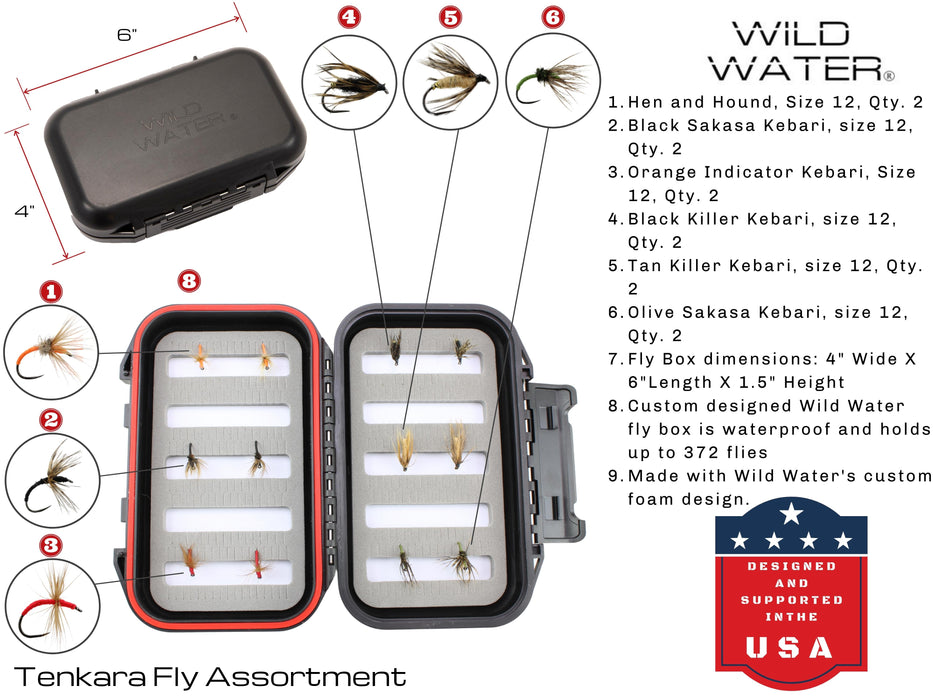
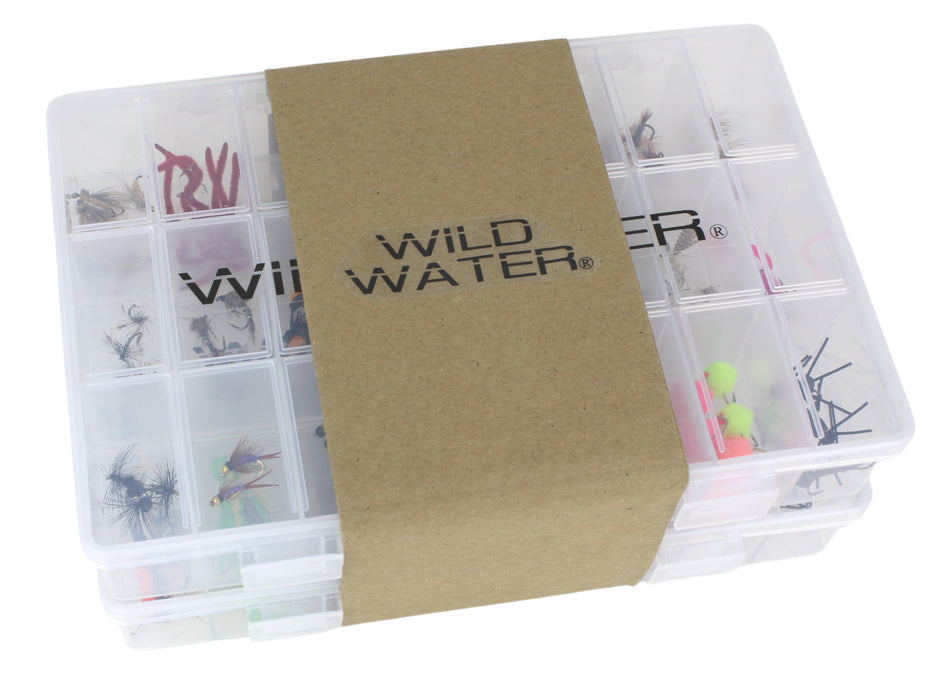
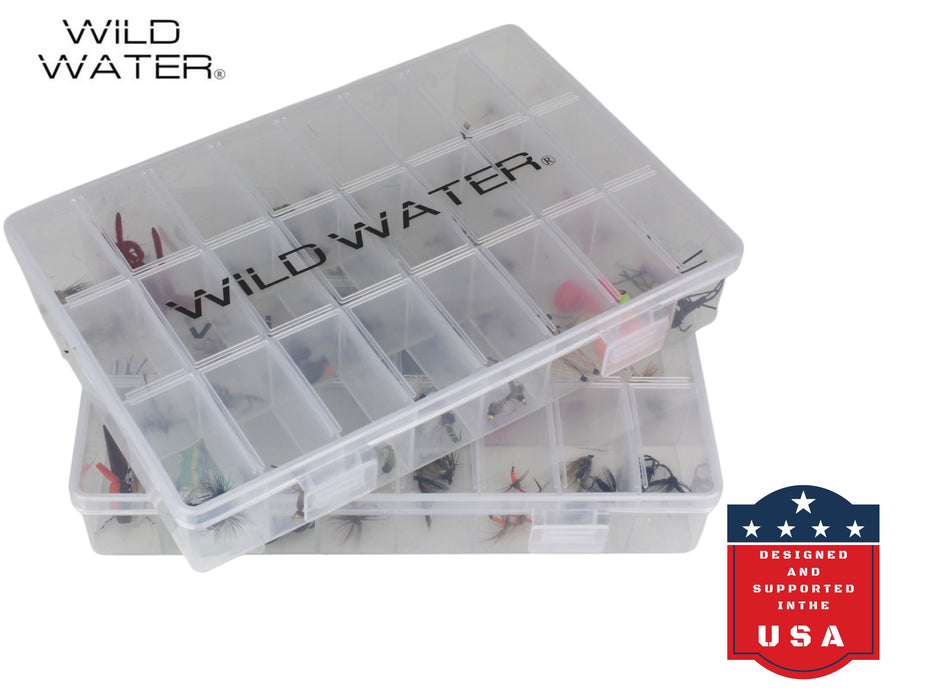
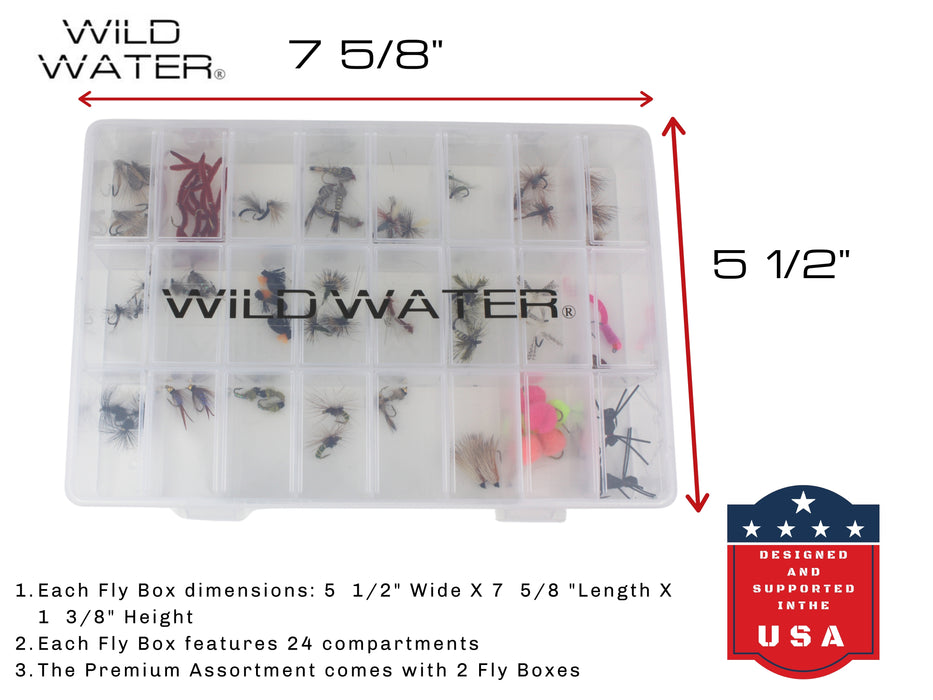
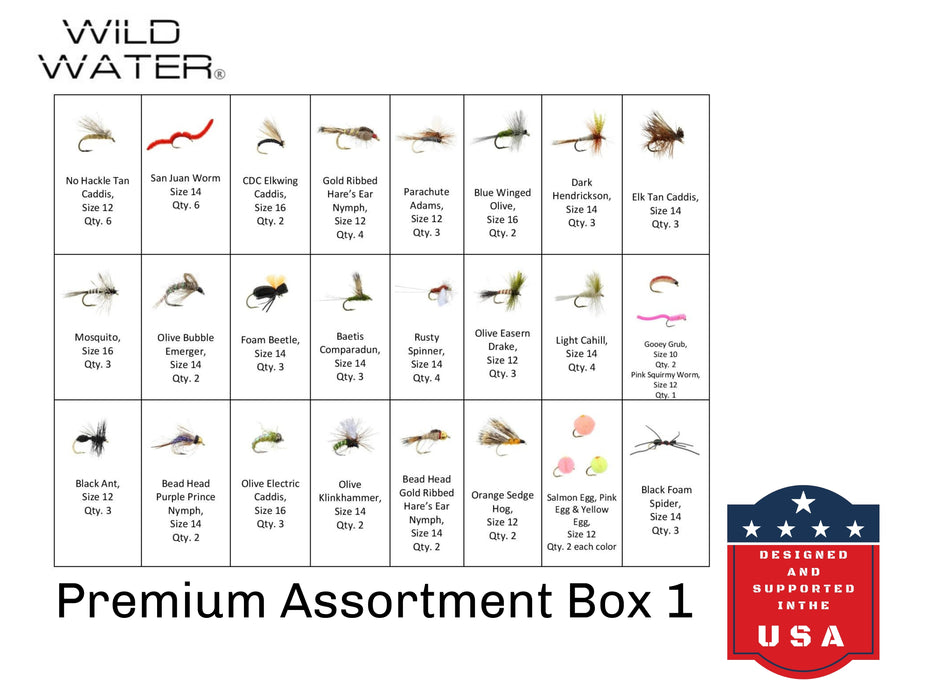
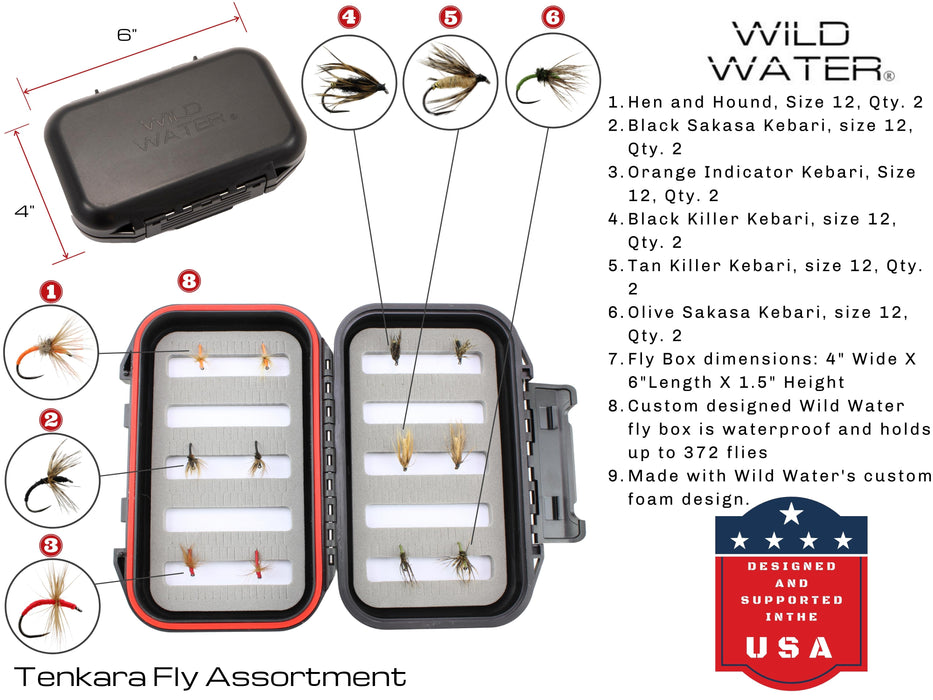
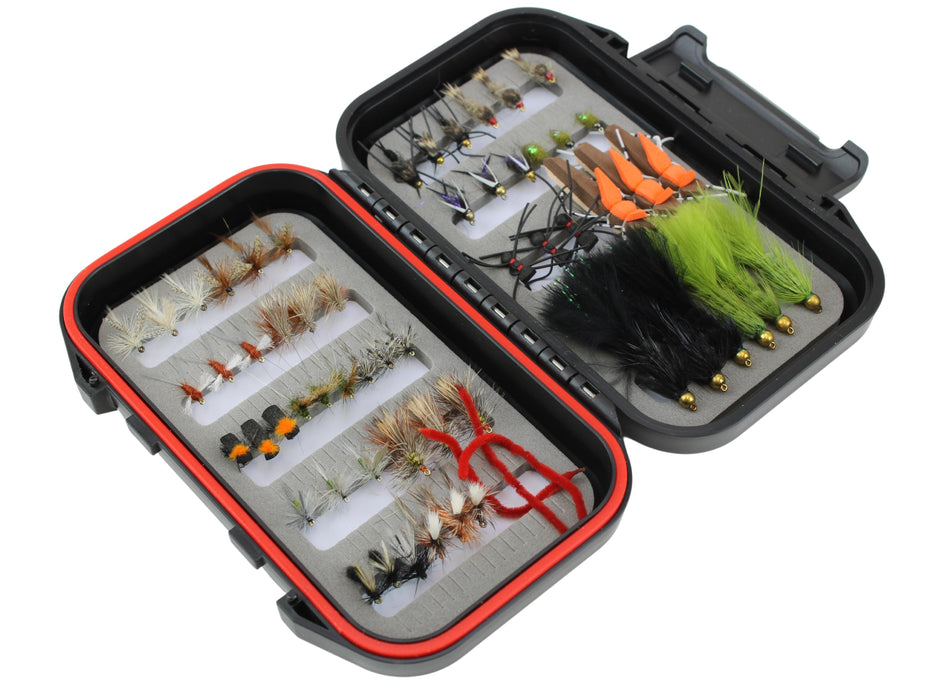
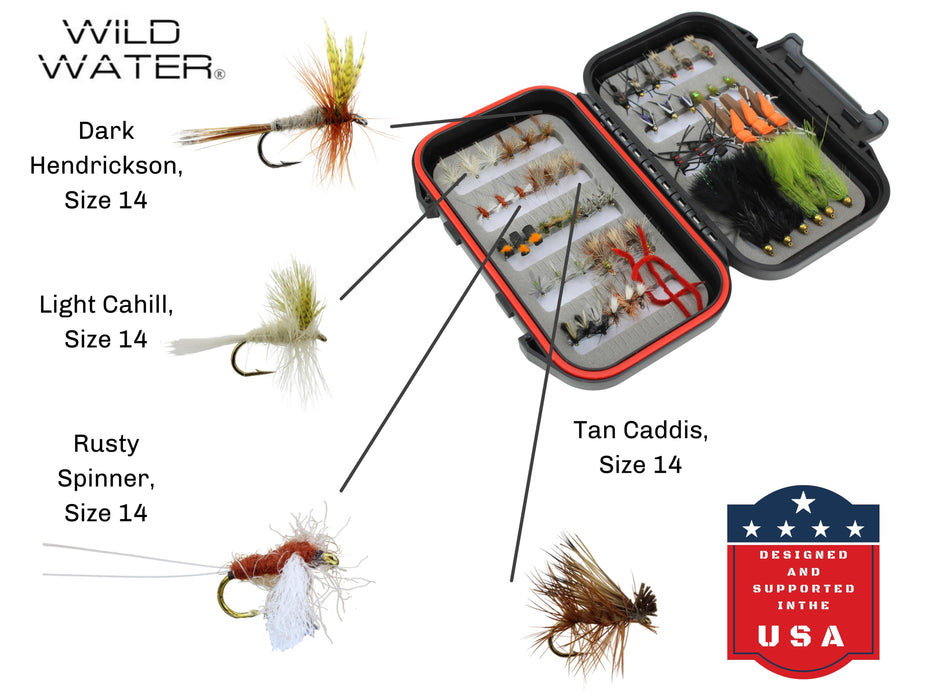
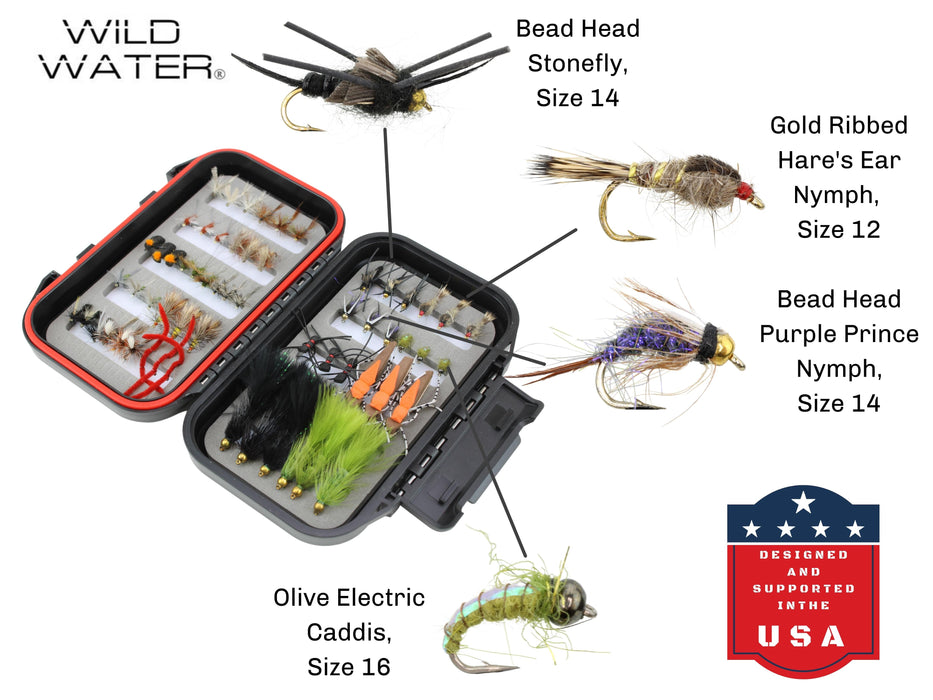
The patterns that produce are classics. Pheasant Tails in sizes #14-16 imitate mayfly nymphs. Hare's Ears in the same sizes work as a general attractor. Prince Nymphs (#12-14) add flash and movement in faster water. A nymph assortment covers all your bases without overthinking it.

For more on this approach, check out our page on fishing with nymphs.
Egg Patterns for Steelhead and Salmon
When migratory steelhead and salmon push into north shore tributaries each fall, switch tactics. These fish respond to egg patterns drifted through the slower water where they hold before the spawn. Find a pod of fish, position yourself upstream, and drift your fly right past their noses. Patience matters. They'll eat when they're ready.
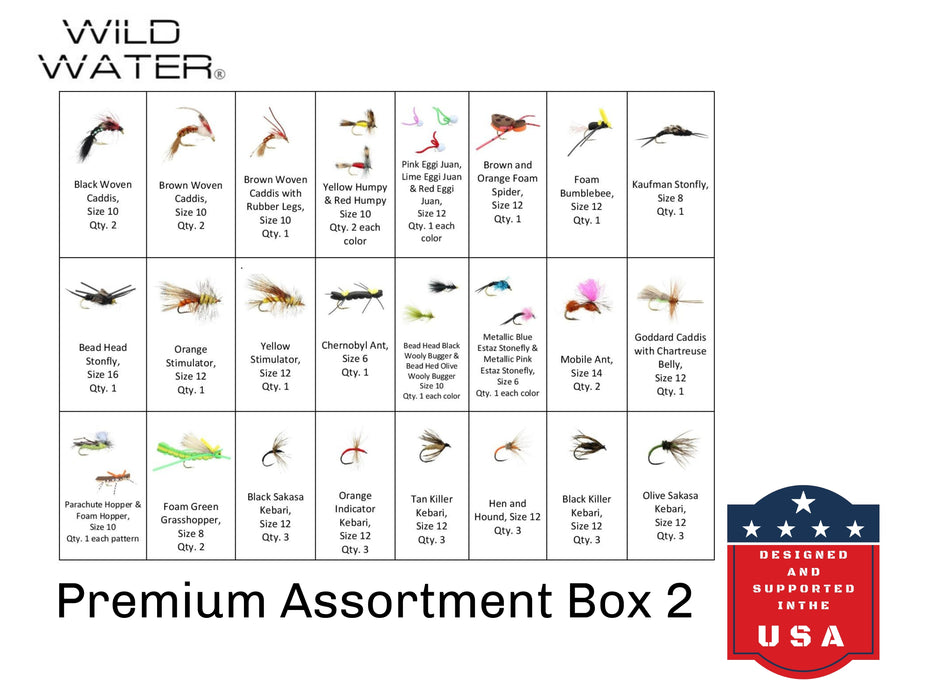
Orange, pink, and chartreuse eggs in sizes #10-12 cover most situations. The steelhead egg fly assortment includes proven colors so you can rotate through options until something clicks.

Streamers for Larger Fish
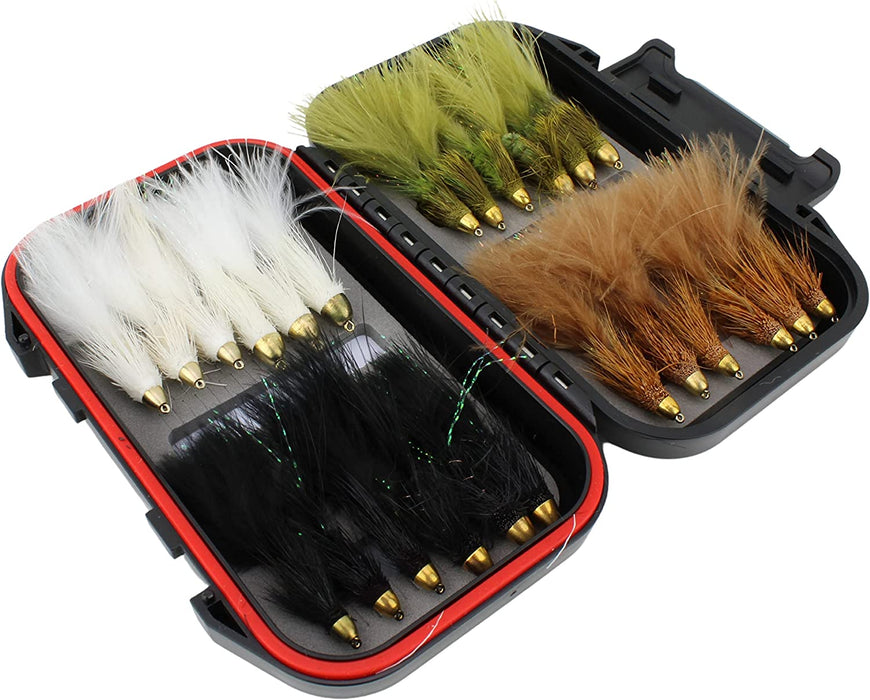
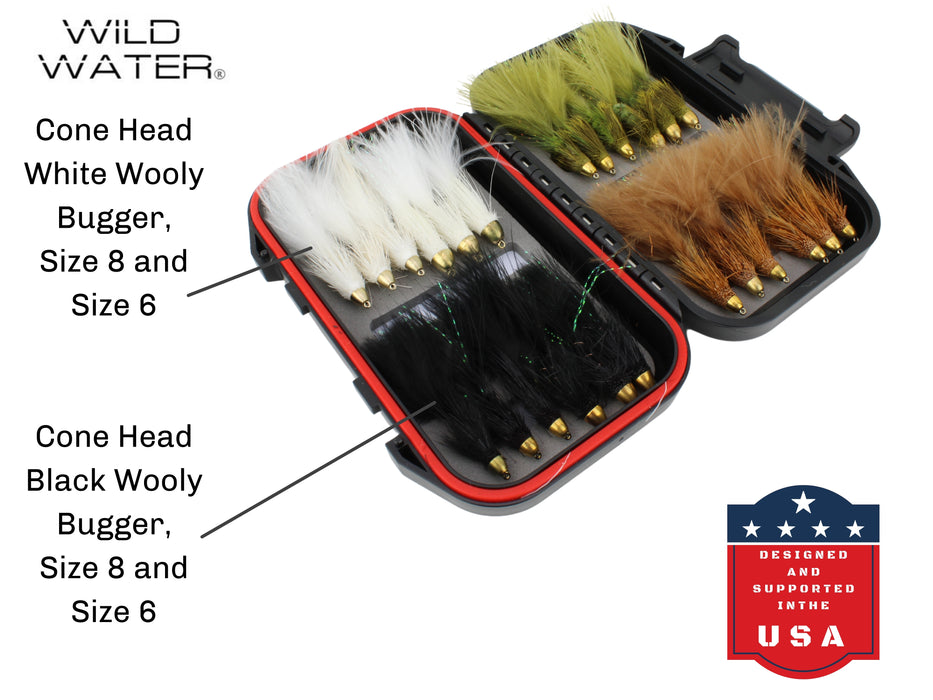
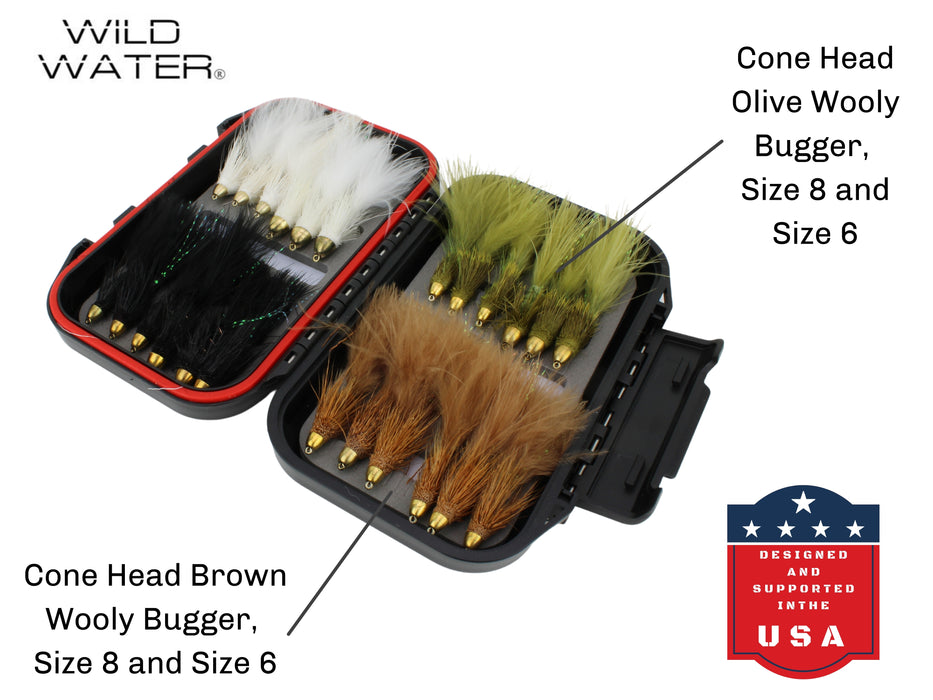
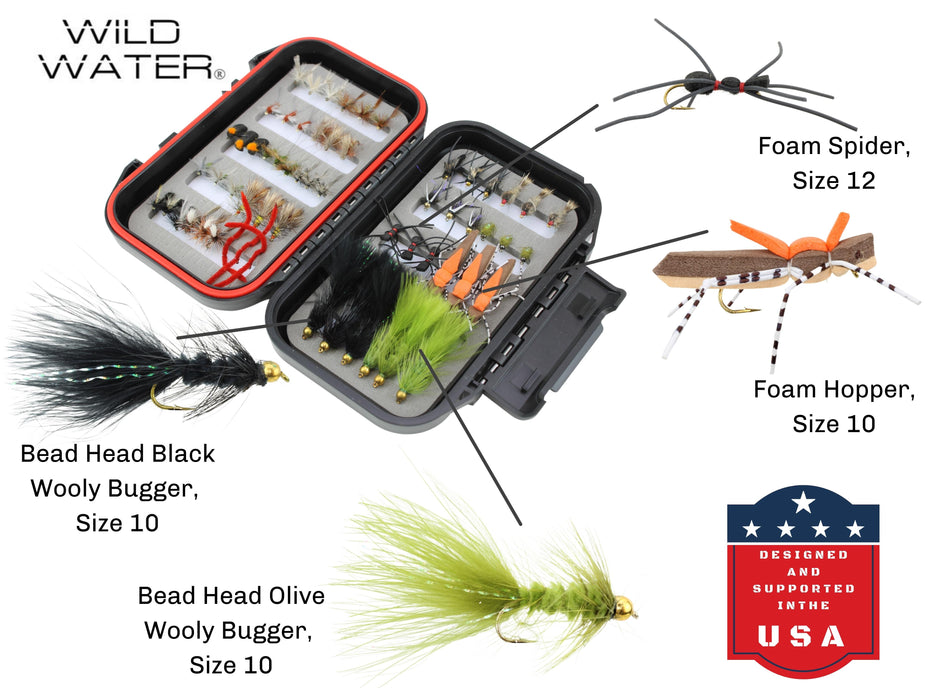
For brown trout, especially bigger ones, streamer fishing shines in the deeper pools and along cut banks. A black or olive Woolly Bugger (#6-10) stripped through the water column imitates the sculpins and baitfish that larger trout and salmon hunt. Cast above the strike zone, let the fly sink, then strip with varied speed. The takes are often aggressive, so hold on.
Streamers also work well for fall steelhead when they're in an aggressive mood. Our page on fishing with streamers covers the technique in detail.
Dry Flies When Fish Are Rising
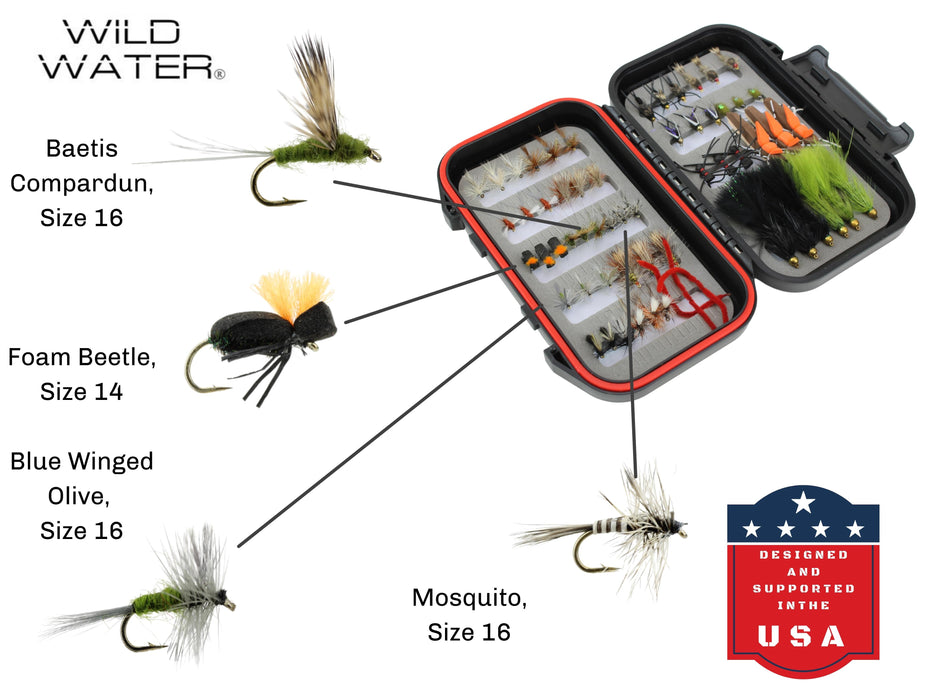
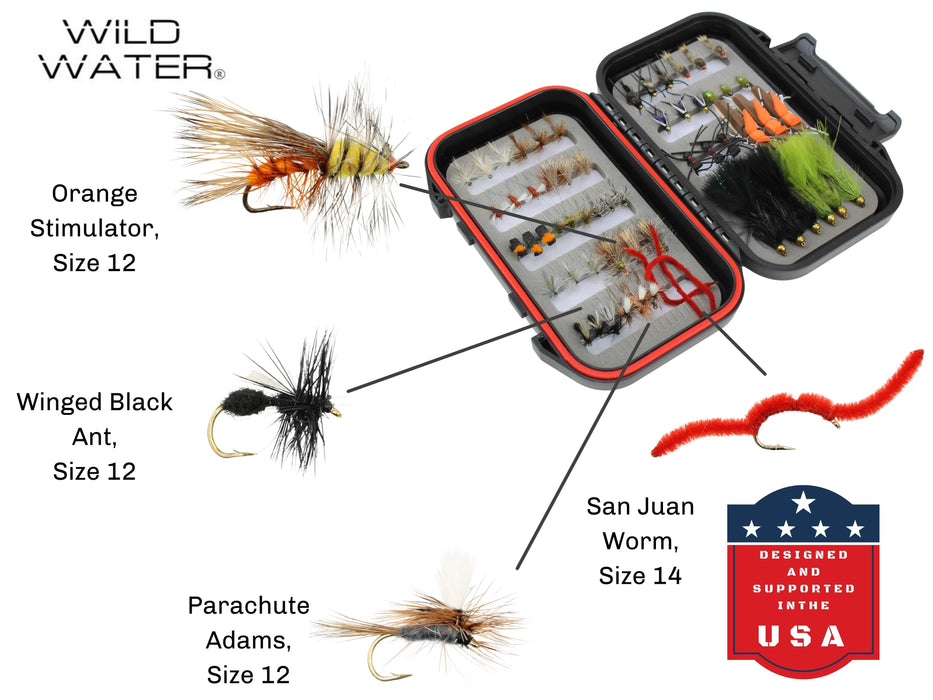
Dry fly fishing isn't the main event on north shore streams, but it has its moments. During evening hatches in summer, trout will rise to Elk Hair Caddis (#14-16) and similar patterns. It's not essential to carry a full dry fly box, but tossing a caddis when you see surface activity adds another dimension to your trip.
Gear for Duluth Streams
Of course, you won't be able to fish with just the flies. Thankfully, a simple setup covers most situations.
Rod and Reel
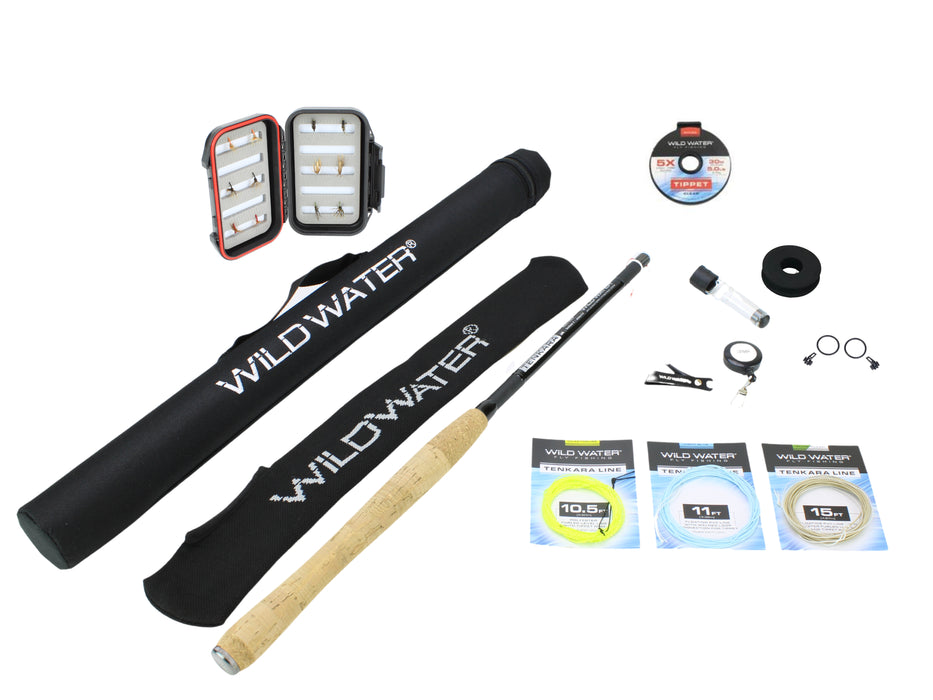
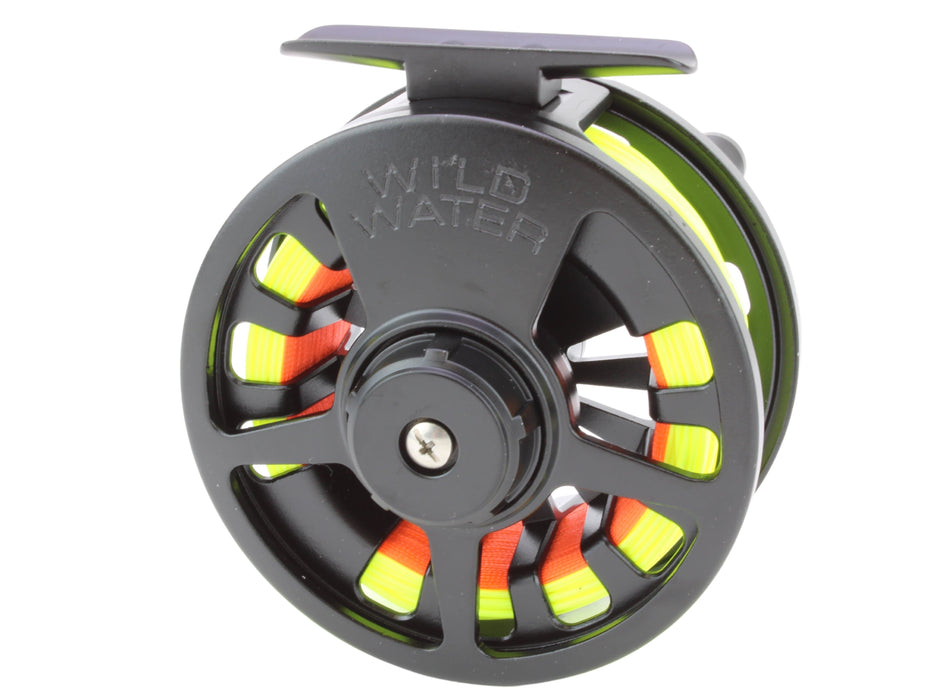
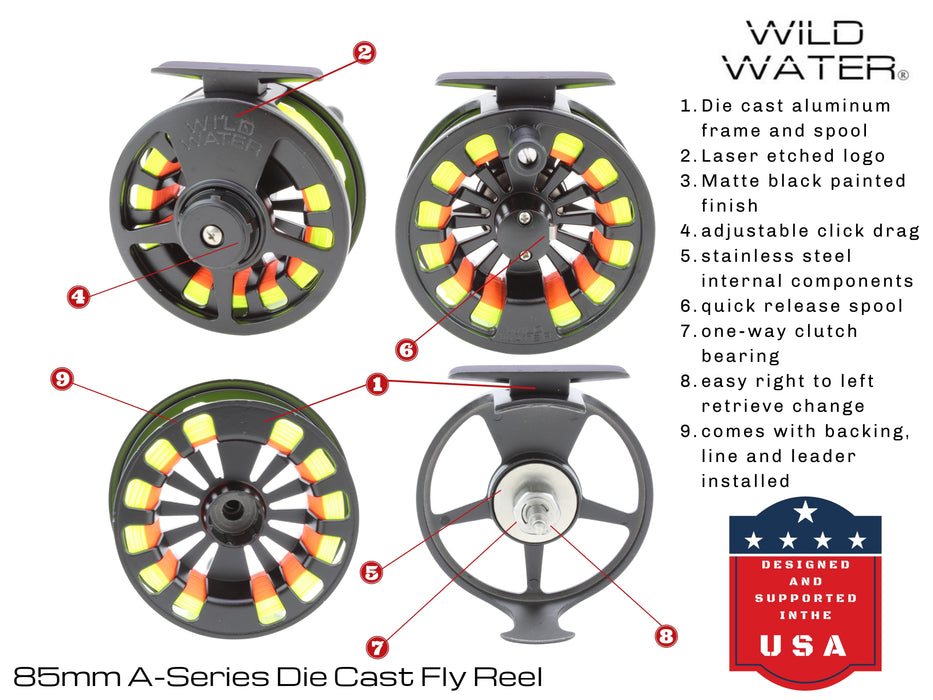
A 5-weight fly fishing kit handles 90% of what you'll encounter. Pair it with an 8'6" to 9' fly rod and you've got enough reach for the larger pools on the Lester while still feeling the fight of a 12-inch rainbow. For beginners, this weight is forgiving enough to learn fly casting without fighting the rod.
Chasing steelhead or salmon in the fall? Step up to a 7/8-weight combo with a reel that has a real drag system. Steelhead make runs, and a screaming reel is part of the experience.

Other Gear Worth Packing
Below are other things you should consider bringing when fly fishing in Duluth, MN:
- Waders make a difference in spring and fall when water temperatures drop. Hip boots work for summer, but chest waders extend your season on both ends.
- A landing net with rubber mesh protects fish you plan to release and makes unhooking easier in current.
- Polarized sunglasses cut glare and help you spot holding water before you wade through it.
- Strike indicators save the day when nymphing deeper runs.

Fly Fishing Duluth FAQs
Do I need a Minnesota fishing license to fish in Duluth?
Yes. All anglers 16 and older must carry a valid fishing license, plus a trout stamp ($10) for designated trout waters. Licenses are available online through the Minnesota DNR.
Where is the best trout fishing in Minnesota?
The Driftless Region in southeast Minnesota offers the best wild trout fishing in the state, with spring-fed streams holding brown and brook trout. For steelhead and salmon, the north shore tributaries near Duluth are hard to beat.
Are there fly shops or guide services near Duluth?
Duluth has limited fly-specific retail, so most anglers stock up in the Twin Cities or order online before arriving. Local guide services run float trips and walk and wade trips on north shore streams, especially during fall steelhead season. Guided fly fishing trips are available through several outfitters if you want local knowledge.
Can I fly fish in Minnesota year-round?
Technically yes, but trout streams have seasonal closures, typically October through late April. Check specific regulations for each water body before planning a winter trip.
When do pink salmon run in Duluth?
Pink salmon are migratory and only run in odd-numbered years. They typically enter Duluth-area streams in mid-September and spawn through early October.
Start Planning Your Duluth Trip
Beginners learning to cast and experienced anglers chasing migratory fish will find something to enjoy in Duluth. And to help you maximize your experience, grab a fly fishing kit from us at Wild Water Fly Fishing, load up on nymphs and streamers, and make it happen. If you're brand new to the sport, our complete beginner's guide walks you through everything from gear setup to your first cast.
The fish are waiting. Go find them.