Nebraska and fly fishing don't usually end up in the same sentence. Most anglers picture Colorado's famous tailwaters or Montana's blue-ribbon streams when they start planning a trout trip. But here's what they're missing: the Cornhusker State holds four trout species, offers weekly-stocked streams with genuine wild fish populations, and sees a fraction of the angling pressure you'll find out west.
This guide covers the best Nebraska fishing locations, what gear to bring, licensing requirements, and the seasonal timing that puts more fish on your line. Whether you're chasing your first trout on a fly rod or working toward a Nebraska Trout Slam, these waters offer real opportunity without the western price tag.
Best Nebraska Fly Fishing Locations
Fly fishing in Nebraska comes down to knowing which water matches your target species. Small spring creeks hold trout in the northeast, while larger rivers offer warmwater action across the northern tier. The locations below give anglers the best access to productive fish populations without navigating miles of private land.

East Branch Verdigre Creek
If someone told you that one of the Midwest's best trout streams sits in the middle of Nebraska farm country, you'd probably laugh. But East Branch Verdigre Creek is the real deal, and it's been quietly producing fish for anglers who know where to look.
This spring-fed creek flows through Grove Lake Wildlife Management Area in Antelope County, about three hours northwest of Omaha. The water stays cold year-round, holding at roughly 57 degrees, which is ideal habitat for trout. That consistent temperature means the creek never freezes, so you can fish it in January if you're willing to bundle up.
Here's what makes Verdigre special: Nebraska Game and Parks stocks 200 rainbow trout every single week, all year long. The Grove Trout Rearing Station sits right on the creek and keeps the population flush with 10 to 12-inch fish ready to eat. But stocked rainbows aren't the whole story. Wild brown trout reproduce naturally in this water, and they've learned to be spooky. You'll need a careful approach and a decent drift to fool them.
The creek itself runs 10 to 15 feet wide with a gravel and sand bottom. Expect pools up to three feet deep, plenty of riffles, and stretches of aquatic vegetation that hold fish tight to cover. About two miles of the stream are publicly accessible through the wildlife management area, which means no knocking on doors or hoping you don't get yelled at.
Finally, catch-and-release is encouraged for the wild browns and any larger rainbows you land. These fish keep the creek's reputation intact for the next angler.
Niobrara River & Long Pine Creek
The Niobrara River stretches over 500 miles across northern Nebraska, earning its status as a National Scenic River. But not all of it fishes the same.
The section near the town of Niobrara is warmwater territory, holding pike, bass, catfish, and panfish. If you want trout, you'll need to travel west past Box Butte Reservoir where colder water temperatures support rainbow and brown trout populations.
The river valley offers solid bank access at Niobrara State Park on the east side of town and various pulloffs along Highway 14.
Long Pine Creek, a tributary of the Niobrara in the Pine Ridge region, is where trout anglers should focus their attention. This stream supports wild brown trout alongside stocked rainbows, with the best fishing between Seven Springs and Camp Witness. The water features classic trout habitat: riffles feeding into pools, undercut banks, and enough structure to make every cast count. Access comes through Long Pine State Recreation Area and Long Pine Wildlife Management Area.
Other Notable Nebraska Waters
Beyond the northeast, Nebraska offers scattered trout opportunities worth knowing about.
The Pine Ridge region along the South Dakota border holds the state's only brook trout and cutthroat populations. Fort Robinson State Park and Soldier Creek Wilderness require a longer drive, but anglers chasing a Nebraska Trout Slam need these waters to complete all four species. More about this later.
Also, the North Platte River tailwater below Lake Ogallala dam produces trophy rainbows exceeding 20 inches. Fish escape from the reservoir and stack up in the cold outflow, creating a mile-long stretch of quality trout water.
Lake McConaughy, Nebraska's largest lake at 35,000 acres, on the other hand, offers rainbow trout alongside walleye and pike. Boat access opens up the best fishing here.
Finally, statewide urban fisheries like Holmes Lake in Lincoln and Standing Bear Lake in Omaha receive seasonal trout stockings, giving city anglers quick access without a road trip.
Nebraska Trout Slam
Nebraska Game and Parks Commission created the Trout Slam to highlight the state's surprisingly diverse coldwater fisheries.
The challenge is simple: catch all four trout species found in Nebraska, submit photos, and earn a certificate plus a pin to prove you did it.
Below are the four species listed from easiest to the most difficult to catch:
- Rainbow trout are the easiest since they're stocked statewide at Verdigre Creek, urban ponds, and dozens of other waters.
- Brown trout require a bit more effort, with naturally reproducing populations in Verdigre Creek and Long Pine Creek rewarding anglers who can fool wary fish.
- Cutthroat trout get harder, found mainly at Fort Robinson and Woods Reserve Ponds through limited stocking.
- Brook trout sit at the top of the difficulty scale. These fish exist only in tiny Pine Ridge streams like Middle Soldier Creek, where wild populations sustain themselves without any help from hatcheries.
Most anglers outside the Panhandle will need a dedicated road trip to complete the slam. A smart approach combines Verdigre Creek for rainbows and browns with a Pine Ridge weekend for brook trout and cutthroat.
Planning Your Nebraska Fly Fishing Trip
Getting on the water legally in Nebraska is straightforward and it starts with securing a permit. Any angler 16 or older needs a valid fishing permit from Nebraska Game and Parks Commission.
Resident annual permits run $38, while non-residents pay $84 for the year. If you're testing the waters on a shorter trip, one-day permits start at $5 for residents and around $10 for non-residents. Good news for families: children under 16 fish free when accompanied by a licensed adult.
No separate trout stamp is required for most Nebraska waters. Your standard permit covers trout fishing statewide, with the Aquatic Habitat Stamp already included in multi-year options. The only exception is Two Rivers State Recreation Area Trout Lake, which requires a $6 daily tag. State parks also require a separate park entry permit beyond your fishing license.
Purchase permits online at OutdoorNebraska.gov before your trip. Mobile permits display on your phone and are accepted by conservation officers, so there's no need to find a printer.
You also need to worry when you should fish in Nebraska. The best time runs March through June when water temperatures settle into the 50 to 65 degree range and fish feed aggressively. Verdigre Creek fishes well year-round thanks to its consistent spring-fed temperatures. Summer anglers should target early morning or evening hours and focus on deeper pools where fish escape the heat. Fall brings a second wave of stocking at urban ponds and excellent conditions on moving water.
For a complete rundown of what to pack, check our what to bring fly fishing checklist.
Recommended Gear & Flies
Matching your fishing gear to Nebraska's varied waters keeps things simple. Here's what works:
Rod Selection by Water Type
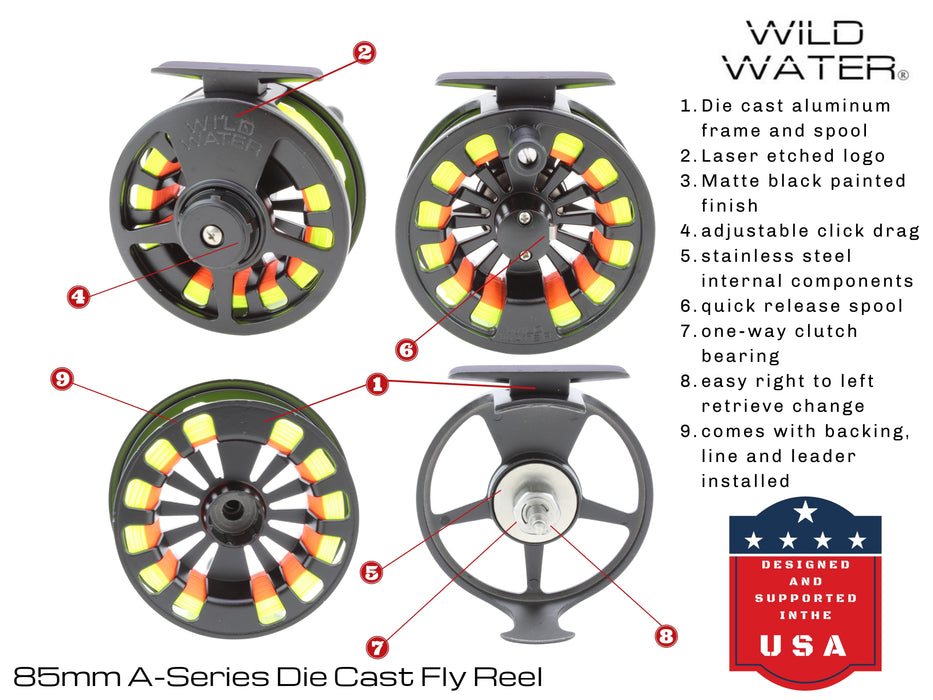
A 5wt fly fishing kit handles most Nebraska water. This weight pushes streamers on the Niobrara, manages wind on open rivers, and still feels responsive when a 14-inch rainbow grabs your nymph.
For small streams like Verdigre Creek, a 3wt-4wt 7' fly fishing kit is perfect. The shorter rod helps with tight casting under overhanging trees, and the lighter weight lets you feel every take.

On the other hand, warmwater species like pike and bass demand more backbone. You'll need a 7wt-8wt fly fishing kit here at it throws larger flies and controls hard-fighting fish in heavy cover.
If you're unsure which weight fits your situation, our breakdown on how to choose the perfect fly rod walks through the decision.
Essential Fly Box Contents
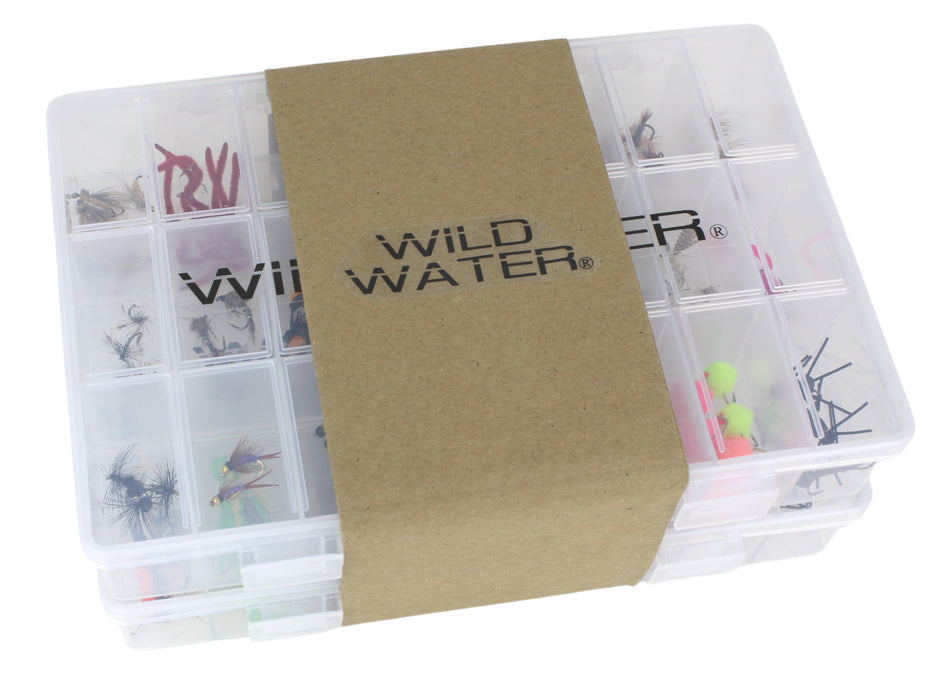
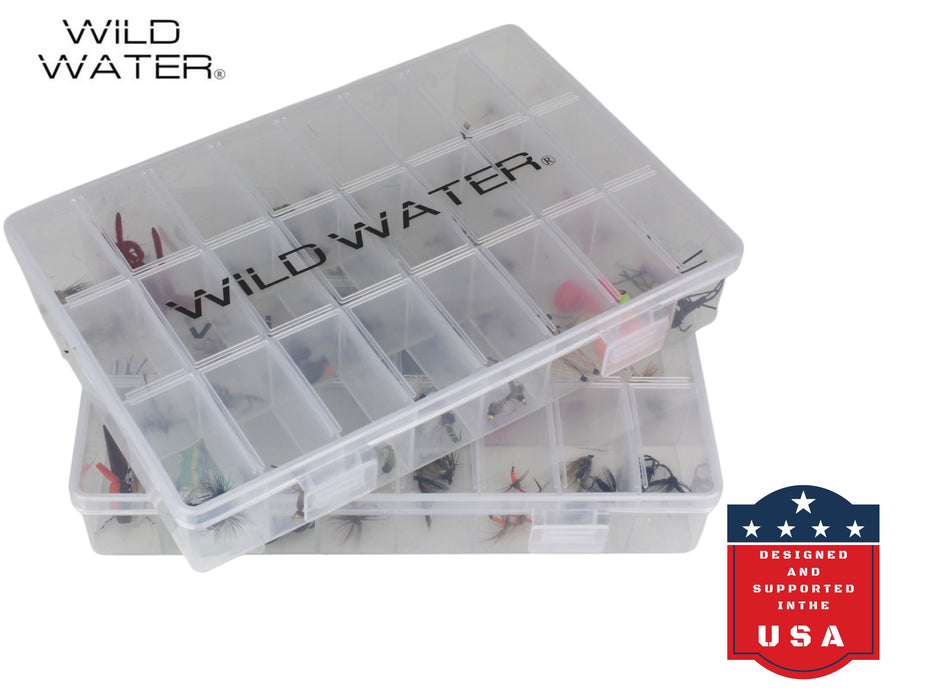
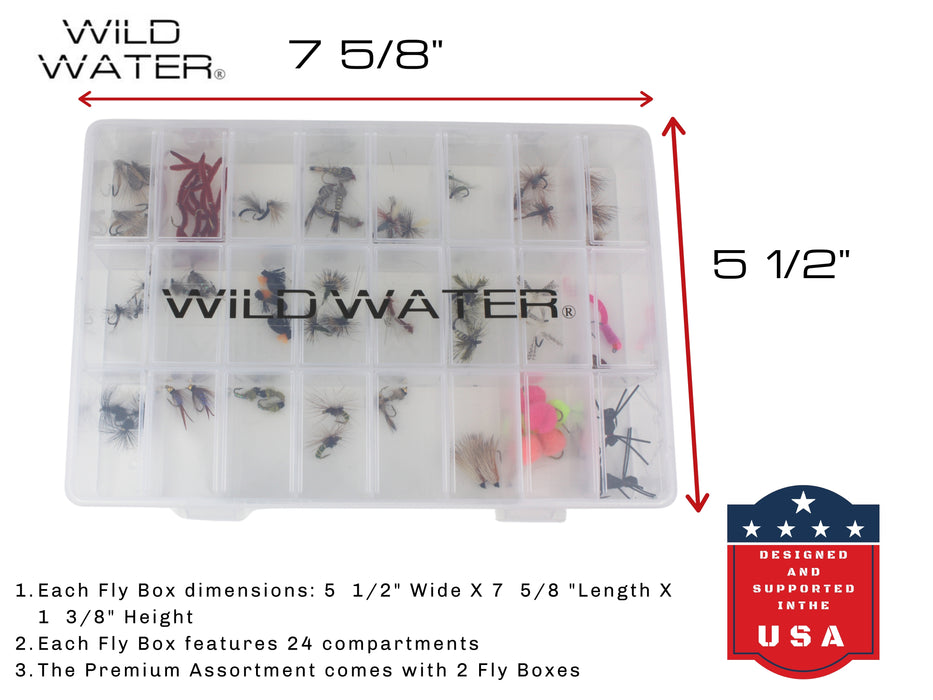
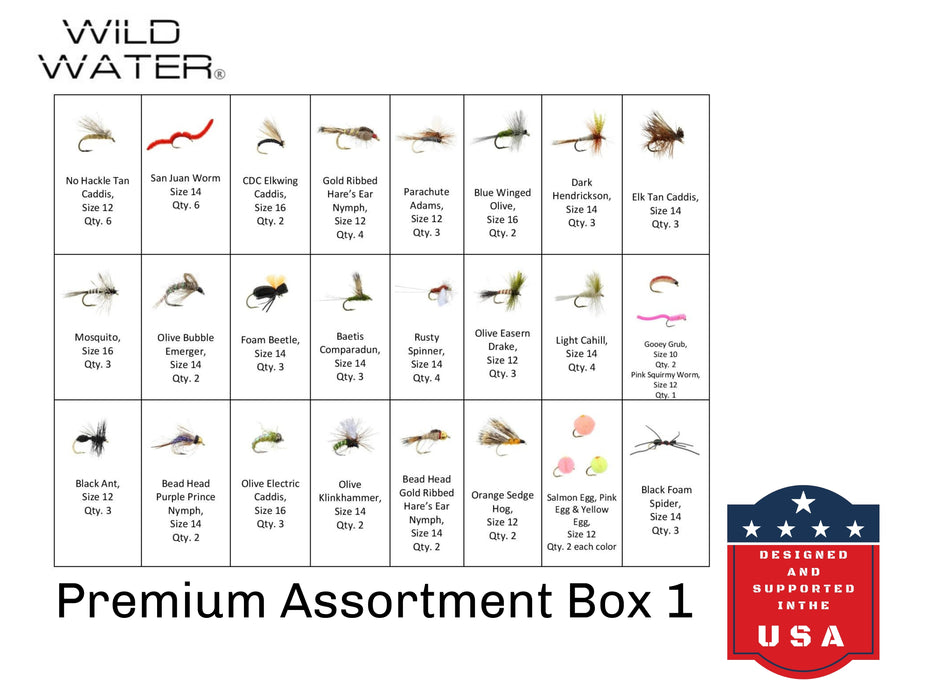
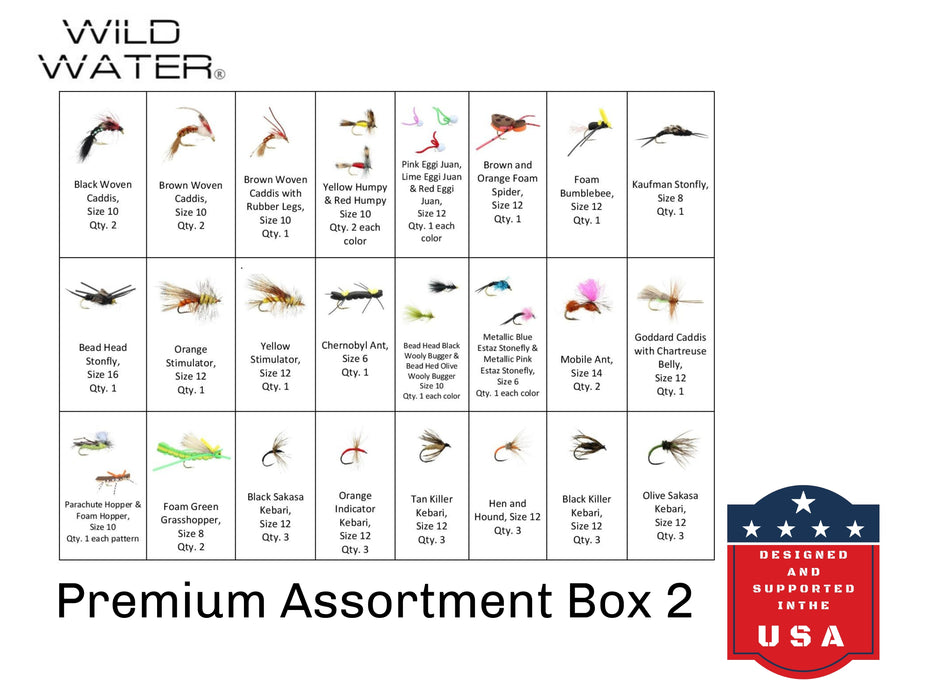
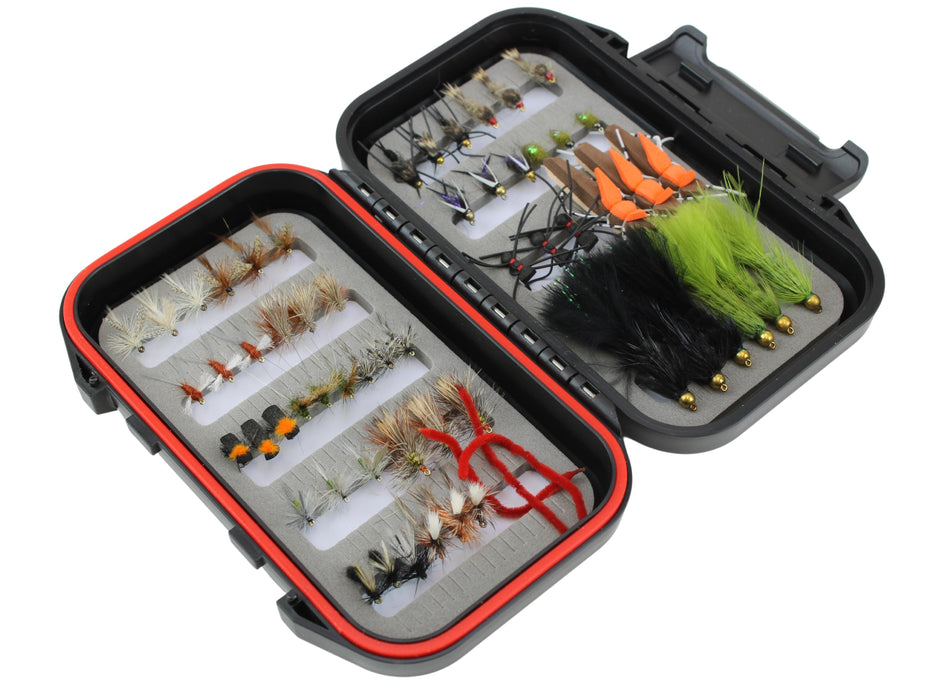
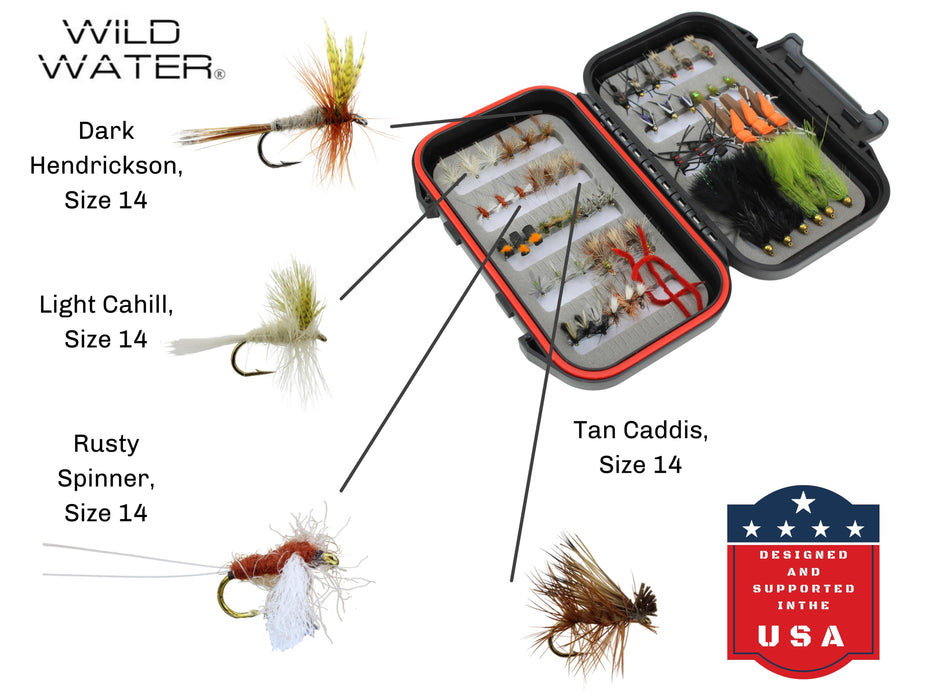
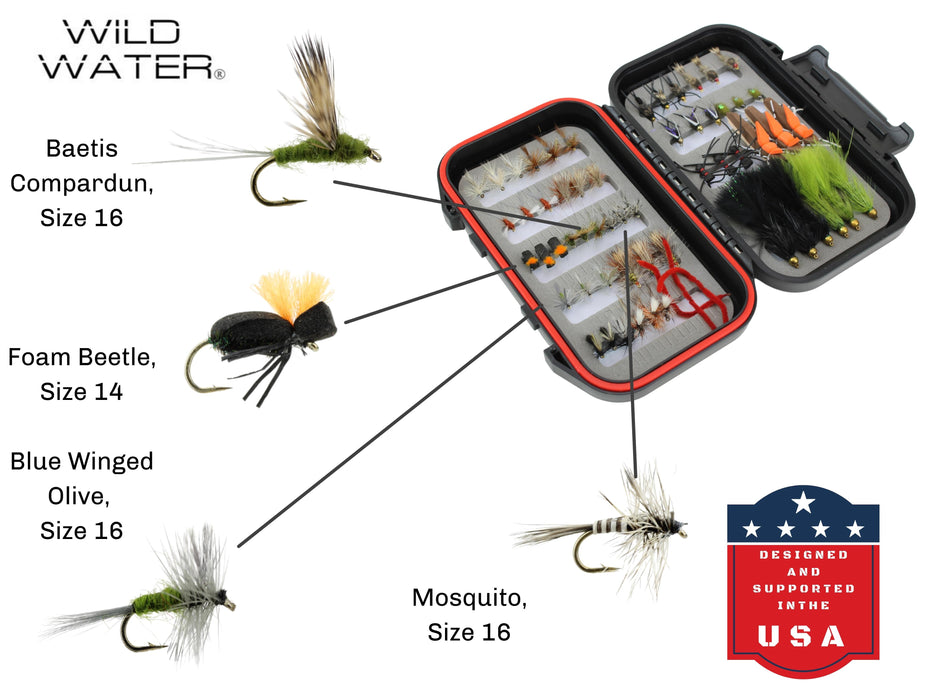
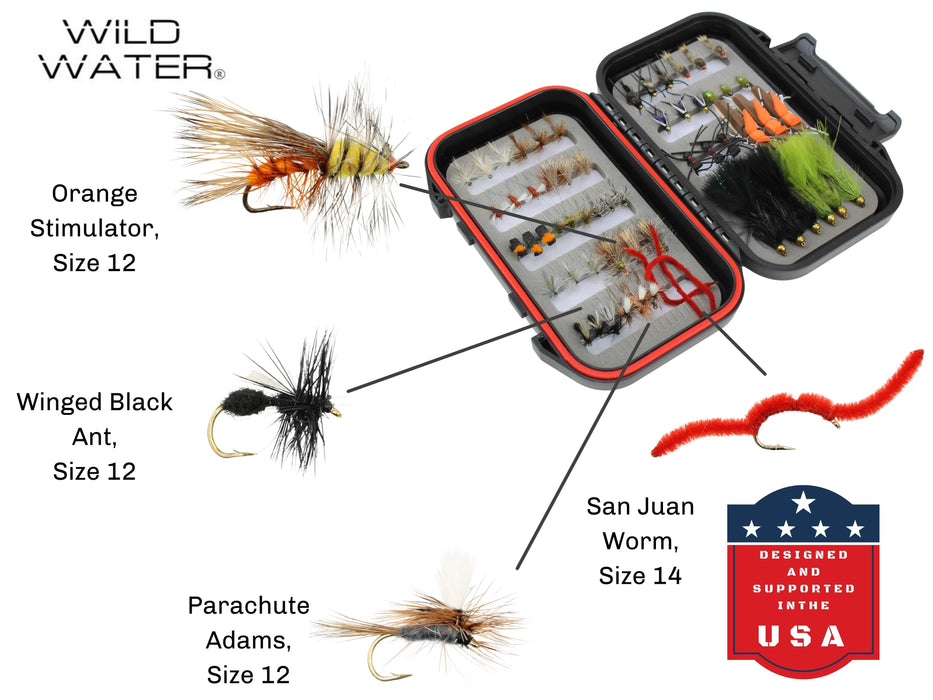
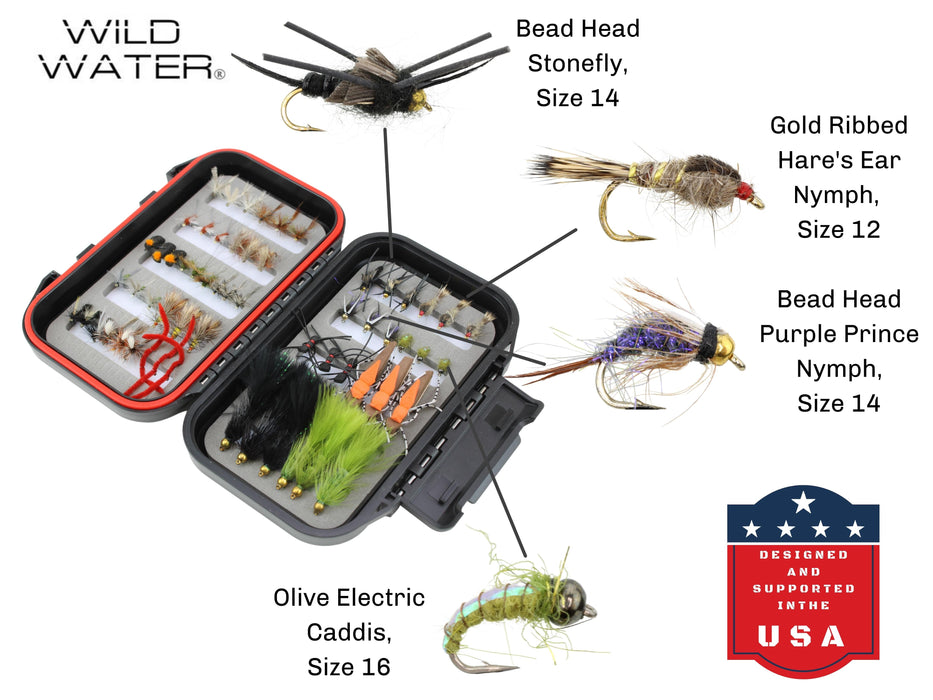
A caddis fly assortment covers most hatches you'll encounter here. Also, a dry fly and nymph assortment give you coverage without overthinking individual pattern selection.
Note: You'll know when to switch to fishing with nymphs if the surface bite slows under an indicator and dead drift through the deeper pools.

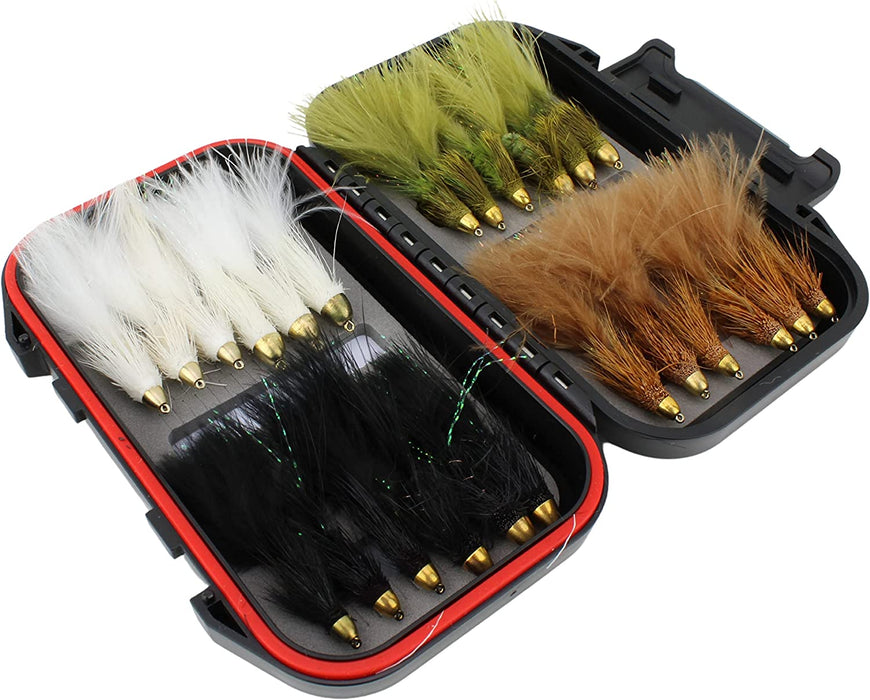
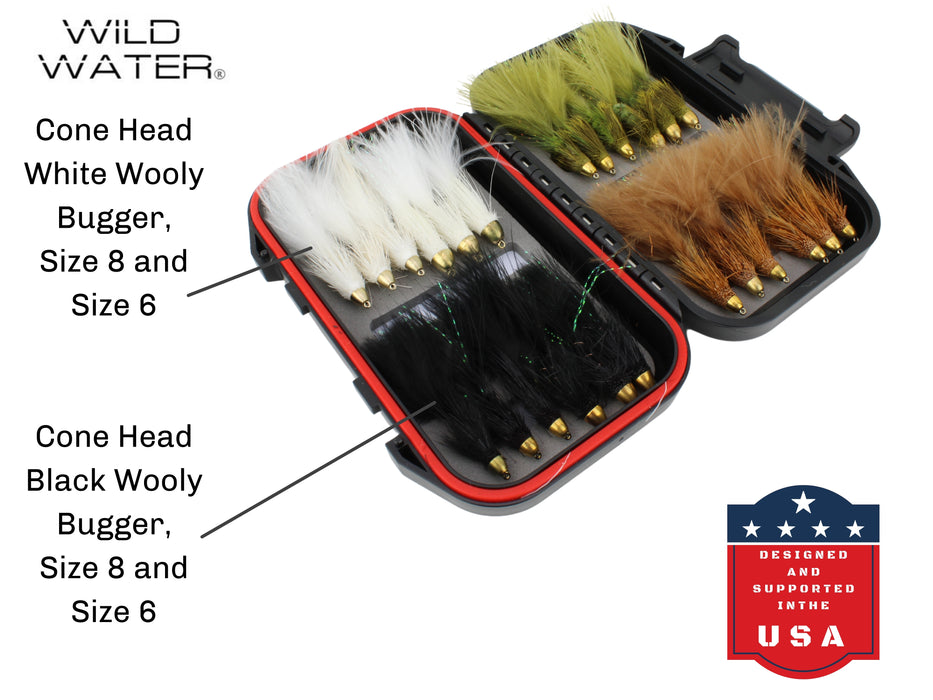
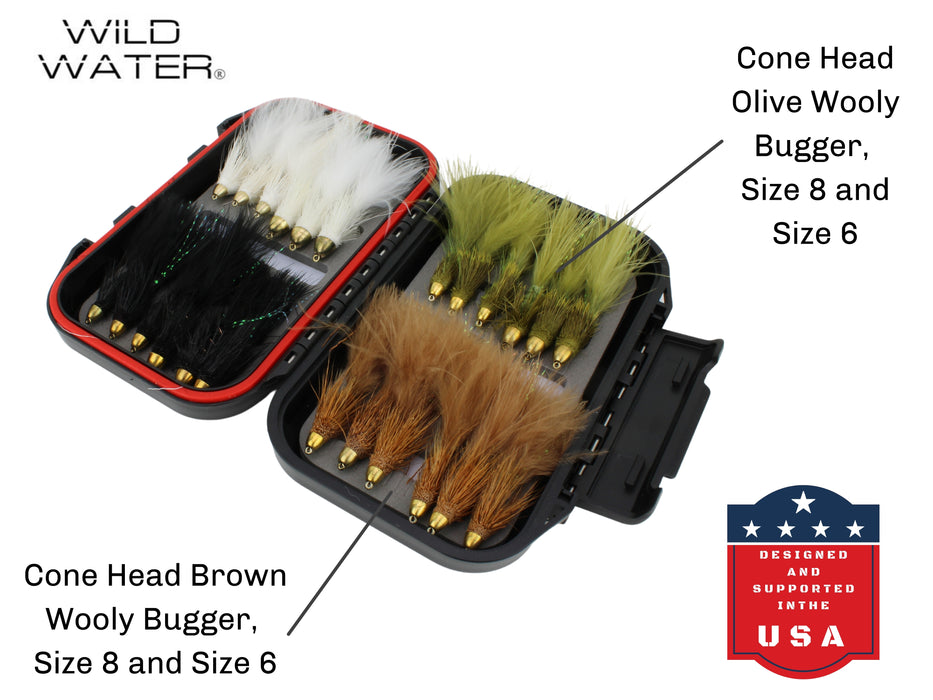
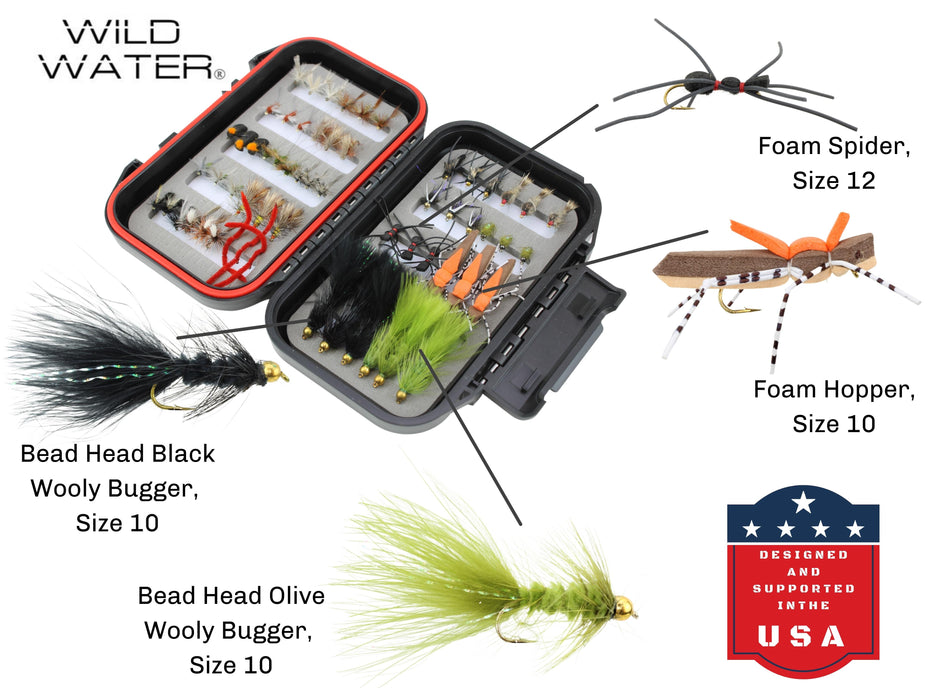
Now, let's be more specific here. Elk Hair Caddis in sizes 14-18 and Parachute Adams in 14-16 are appropriate in most dry fly situations. Add Pheasant Tail Nymphs and Hare's Ear Nymphs for subsurface fishing. Woolly Buggers in black and olive handle streamer duty, while hoppers produce explosive strikes during summer months.
On Long Pine Creek, Hoppers and terrestrials produce well during summer months, while Pheasant Tail and Hare's Ear nymphs work year-round.
For those attempting a Nebraska Trout Slam, pack a variety of trout flies to cover different water types and fish preferences.
Beyond trout season, Holmes Lake and Standing Bear Lake also hold bass and panfish year-round, making a bass and pike flies selection useful during this time.
P.S. Don't forget leaders in 4x to 6x for trout work and heavier 0x to 2x for bass and pike.
Nebraska Fly Fishing FAQs
Where is the best trout fishing in Nebraska?
East Branch Verdigre Creek delivers the most consistent trout fishing in the state. Weekly stocking keeps rainbow trout populations high, and naturally reproducing brown trout add a wild element that rewards skilled anglers. For trophy potential, the North Platte River tailwater below Lake Ogallala produces rainbows over 20 inches.
Can I fly fish in Nebraska year-round?
Yes. Verdigre Creek never freezes thanks to its spring-fed water temperatures, and it receives fresh trout stockings every week regardless of season. Winter fishing requires warm clothing and a focus on midday hours when air temperatures peak, but fish remain active. Other streams are more seasonal, with spring and fall offering the best conditions statewide.
Where can I catch brook trout in Nebraska?
Brook trout live only in small Pine Ridge streams in the northwestern corner of the state. Middle Soldier Creek and South Soldier Creek within Soldier Creek Wilderness hold the most reliable populations. These fish are entirely wild with no hatchery support, so careful catch-and-release matters. Reaching them requires hiking in since no roads access the wilderness area.
Do I need a trout stamp for Nebraska?
No. Nebraska does not require a separate trout stamp for most waters. Your standard fishing permit covers trout fishing statewide at $38 for residents and $84 for non-residents annually. The only special requirement is Two Rivers State Recreation Area Trout Lake, which charges a $6 daily tag on top of your regular permit.
Start Your Nebraska Fly Fishing Trip
Nebraska offers what crowded western destinations can't: genuine trout water with room to breathe. Verdigre Creek and the Niobrara River system put quality fish within reach for anglers willing to look past the state's reputation. Four trout species, weekly stockings, and accessible public land create real opportunity for anyone ready to make a few casts.
Our beginner fly fishing kits include everything needed to fish these waters: rod, reel, line, leader, flies, and a protective case. For those new to the sport, Start with our complete beginner's guide to fly fishing before you hit the water.
Finally, call us at 585-967-3474 or email support@wildwaterflyfishing.com for questions about gear for your Nebraska trip