Local waters- Summer Fly Fishing in North Carolina
What if your family could catch rainbow trout this weekend together in mountain streams just 90 minutes from Asheville? North Carolina's 5,400+ miles of public trout water make it possible. I've spent three decades fishing these rivers, from my first cast as a kid in Nova Scotia to landing my personal-best 14-inch rainbow on the Watauga River last summer.
Spring and fall deliver the best action, fresh weekly stockings fill delayed harvest waters with eager trout, consistent mayfly hatches bring fish to the surface, and comfortable 50-65°F water keeps them feeding from dawn to dusk. You'll average 3-5 fish per trip on the Davidson River, Watauga River, or Tuckasegee River, all with easy bank access perfect for beginners and families.
This guide shares exactly where to go, when to fish, and what gear you need to start creating your own fly fishing legacy in Western North Carolina.
North Carolina's Blue Ridge Mountains Offer Year-Round Trout Fishing
North Carolina's Blue Ridge Mountains maintain water temperatures between 45-65°F year-round across 5,400+ miles of public streams. These stable conditions support rainbow, brown, and native brook trout in every season. Spring offers mayfly hatches and fresh stockings. Summer provides comfortable wade fishing in mountain headwaters. Fall brings spawning brown trout and vibrant foliage. Winter keeps tailwater sections productive when other waters freeze.
The NC Wildlife Resources Commission stocks approximately 1 million trout annually across 180+ stocking locations from October through May. This creates average catch rates of 3-5 fish per trip for families and beginners.
Where Beginners Should Start: Stocked vs Wild Trout Waters
Start on stocked waters. Higher trout populations increase your catch rates to 3-5 fish per trip. These hatchery-supported waters receive heavy stockings October through May, giving new anglers the best chance at success.
Delayed harvest waters operate under special regulations. NC stocks these streams heavily in fall, then anglers must practice catch-and-release from October through May. In June, harvest opens and stocking stops. These waters provide consistent catch rates during the learning phase, making them ideal for teaching kids their first casts.
Top 5 beginner-friendly NC trout streams:
- Davidson River (Pisgah National Forest, Transylvania County) - Most popular delayed harvest section, easy access from Davidson River Campground, stocked Tuesdays and Thursdays
- Tuckasegee River near Dillsboro (Jackson County) - Wide river with bank access, less crowded, holds all three trout species
- Valle Crucis section of Upper Watauga River (Watauga County) - Delayed harvest water with ample parking at Valle Crucis Park, family-friendly amenities
- South Toe River (Yancey County) - Remote but accessible, perfect for learning to read pocket water
- Wilson Creek (Caldwell County) - Multiple access points, mix of stocked and wild fish, beautiful boulder-strewn water
Wild trout streams require more skill but reward you with truly native fish. Native brook trout thrive in cold headwater streams above 3,500 feet elevation. Wild rainbow and brown trout populate backcountry streams like Hazel Creek, Slickrock Creek, and Deep Creek. These fish average 6-9 inches. They live in pristine mountain water that remains unchanged since the 1950s.
My Personal Best: A Summer Morning on the Watauga River
One cool summer morning, I set out for a day trip on the Watauga River specifically seeking out big rainbow trout. When I'm targeting bigger rainbows, I have a few sections I tend to visit on the Watauga where I've had luck in the past. I loaded up the Land Cruiser with my beginner kit, the same simple 5-weight setup I always use, along with my go-to flies: a couple of green drakes and my blue quill mayflies for the big hungry ones.

When I arrived, the river clarity was perfect. Standing beside the truck, I could see a couple of brook trout making their way upstream. When the fish are very active like that, you know it's going to be a good day. My summer setup was minimal: Chaco sandals, shorts, and a fishing vest. The water temperature sat in the mid-50s, perfect for active trout.
I unloaded my gear, tied on a blue quill mayfly, and started making my way upstream. Anytime I'm going after big rainbow trout, I always take the hunter's approach while keeping low and quiet. The last thing I want is to spook one of these beautiful fish while trying to find a place to cast.
I found a perfect spot where the river doglegged left. A solid log lay on the riverbed, providing cover to conceal my shadow. I set up right there and began to cast. Within minutes, I was hooked up and fighting with a good-sized rainbow trout. I kept the tip of my rod pointed up and began to reel. As I brought the fish closer, I could see the beautiful colors flashing as he fought and resisted going into my net.
As I pulled him from the net, I was speechless. I stood there in disbelief—this was the biggest, most beautiful rainbow trout I had ever caught in my life. This fish measured approximately 14 inches. I was beyond ecstatic to catch my personal record, but overall just thankful to have caught such an amazing fish.
I gently released this bow back into the river feeling emotions of gratitude and happiness. When the stars align and you're able to catch a fish that brings you this much joy, you will always and forever continue to chase that feeling, wherever it takes you. That feeling to this day continues to take me to places I've always dreamed of.
As you gain more knowledge and skills for this craft, allow yourself to venture out and find new streams, rivers, or creeks. Embrace those adventures, even if you don't catch a single fish. Take in those moments and remember to leave these waters cleaner and better than you found them for the next angler chasing their dream catch.
Planning Your First North Carolina Fly Fishing Trip
Plan your NC fly fishing adventure in four steps: select your target region, check current stocking schedules, understand regulations, and match your skill level to water difficulty. Here's exactly how to plan a successful first weekend.
Step 1: Choose Your Region and Season
Western North Carolina divides into three main fly fishing regions:
Pisgah National Forest (Transylvania and Haywood Counties)
Home to the Davidson River, Looking Glass Creek, and North Mills River. Best access, most amenities, heaviest fishing pressure. Peak season runs March-May and September-November.
Nantahala National Forest (Jackson, Macon, and Graham Counties)
Features the Tuckasegee River, Nantahala River, and Valley River. More dispersed fishing pressure, strong delayed harvest sections. Fish year-round with peak action April-June.
Great Smoky Mountains National Park (Swain and Haywood Counties)
Offers 2,900 miles of wild trout streams including Hazel Creek, Deep Creek, and Cataloochee Creek. Native brook trout above 3,000 feet. Requires hiking and backcountry skills. Best fishing June-October.
Step 2: Understand Seasonal Patterns
| Season | Water Temp | Best Patterns | Peak Times |
|---|---|---|---|
| Spring (March-May) | 45-62°F | Parachute Adams (14-16), Pheasant Tail Nymphs (14-18), Blue-Winged Olives, March Browns, Quill Gordons | All day, best afternoons |
| Summer (June-August) | 58-65°F | Foam hoppers (10-12), foam ants (14-16), foam beetles (12-14) | Before 10am; high-elevation streams all day |
| Fall (September-November) | 48-58°F | Black and olive Woolly Buggers (6-10), Blue-Winged Olives on overcast days | All day; October-November peak for streamers |
| Winter (December-February) | 45-50°F | Tiny midges (18-22), small Pheasant Tails (16-18) | Focus on tailwater sections with stable temps |

Step 3: Get Licensed and Learn Regulations
NC fishing licenses cost $30 for residents, $54 for non-residents (2025 rates). Purchase online at ncwildlife.org or at any Walmart, Bass Pro Shops, or local fly shop. The Mast General Store in Valle Crucis sells licenses and provides local fishing intel.
North Carolina divides trout waters into four categories:
- Hatchery Supported Waters - Open year-round, daily creel limit of 7 trout, includes most stocked streams
- Delayed Harvest Waters - Catch-and-release only October-May, then 7-fish limit June-September. These offer the best learning opportunities for beginners.
- Wild Trout Waters - Year-round fishing, 4-fish daily limit, natural reproduction only (no stocking)
- Catch-and-Release/Artificial Lures Only Waters - Special trophy sections with strict regulations, typically 1-2 fish limit over 14 inches
Check current regulations at access points before fishing. Rules change based on stream section and season.
Step 4: Know When and Where to Go
Best times: Weekday mornings, arrive by 7-8am to avoid crowds. Spring (March-May) and fall (September-November) offer the most consistent action with comfortable weather.
Avoid: Summer afternoons when water temperatures peak. Weekend mornings on popular streams like Davidson River (arrive before 6am if fishing weekends).
Weather strategy: Overcast days with light rain often trigger the best hatches. Avoid fishing after heavy thunderstorms that muddy the water.
Essential Gear for North Carolina Fly Fishing
A 5-weight rod and reel outfit handles 90% of NC trout fishing situations. This weight balances power for wind casting with delicacy for small-fly presentations to spooky trout.
Rod and Reel Setup
What you need:
- 5-weight, 9-foot, 4-piece rod (travels easily, casts accurately at 20-40 feet)
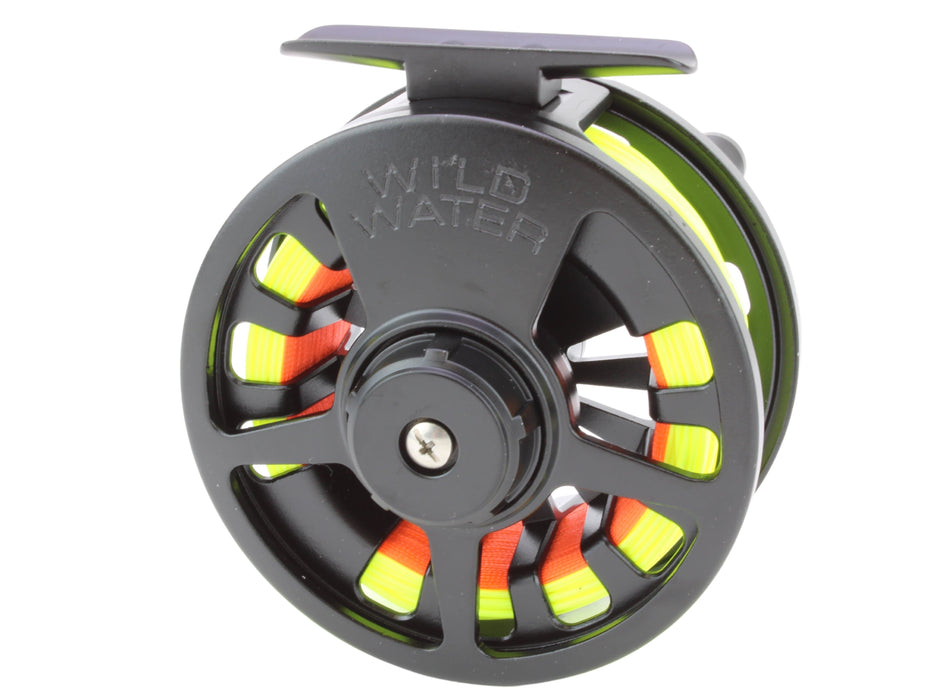
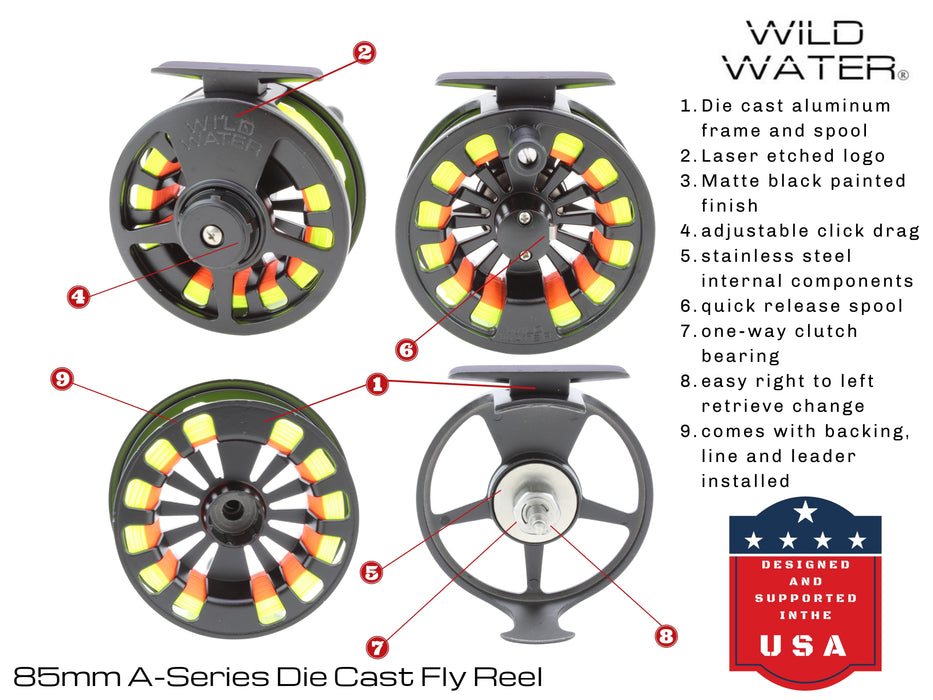
- Mid-arbor reel with smooth drag
- Weight-forward floating line (most versatile for NC streams)
- 9-foot tapered leaders in 4X and 5X
- 4X and 5X tippet spools
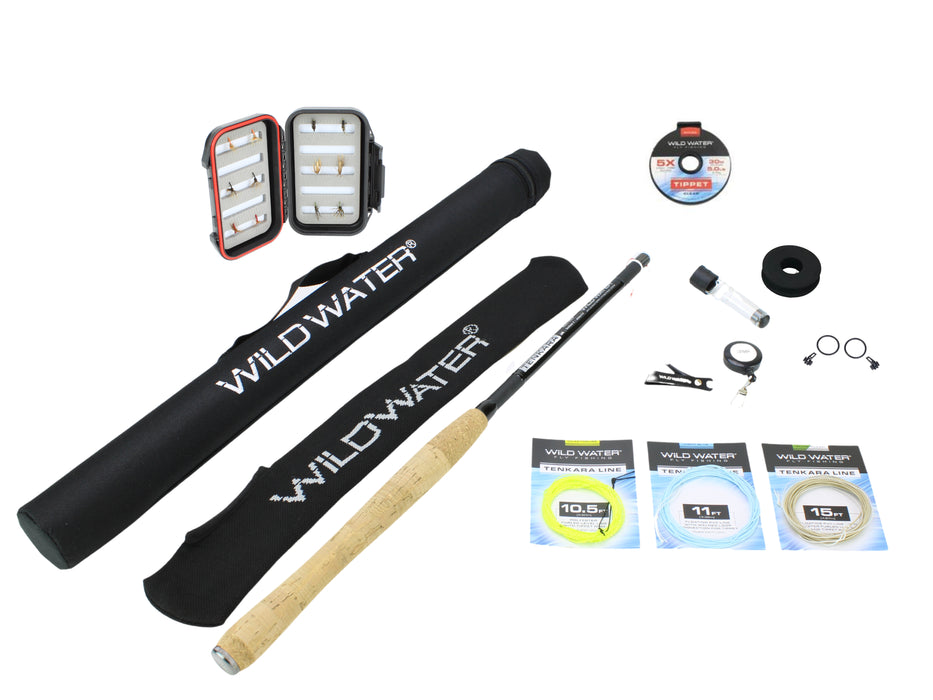
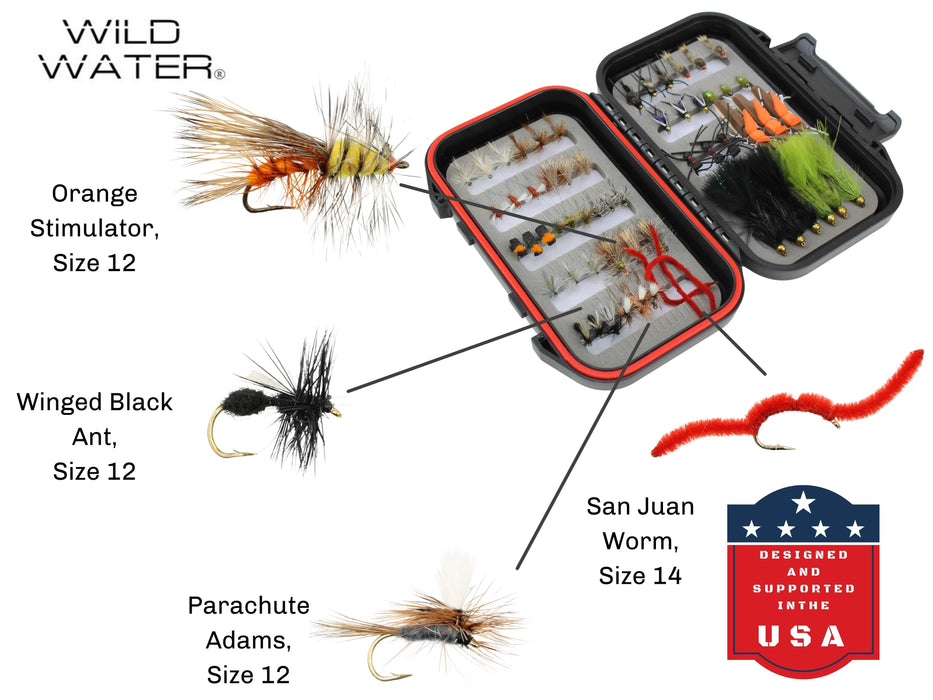
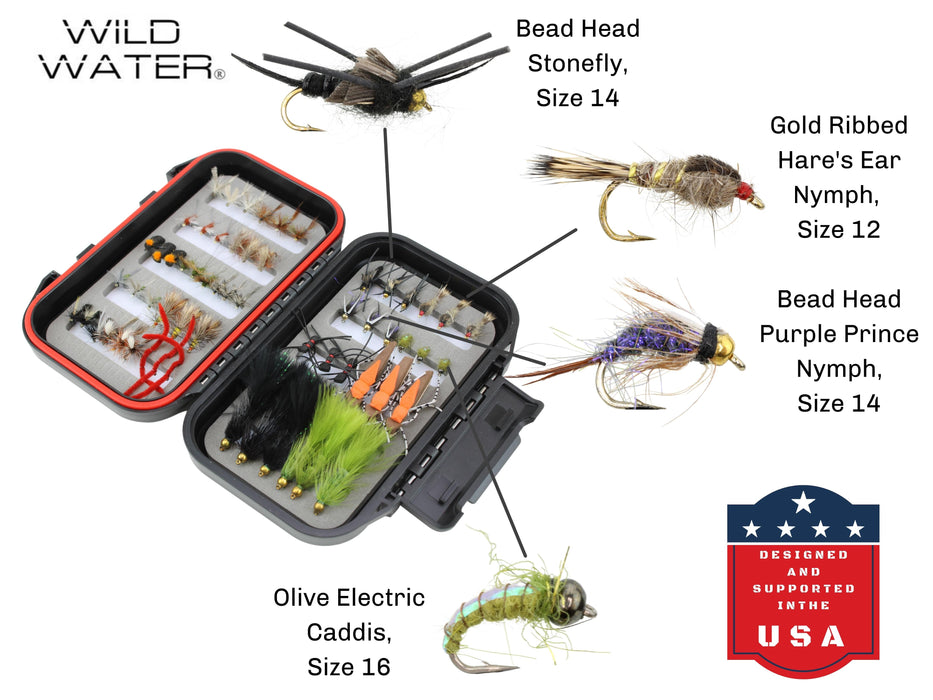
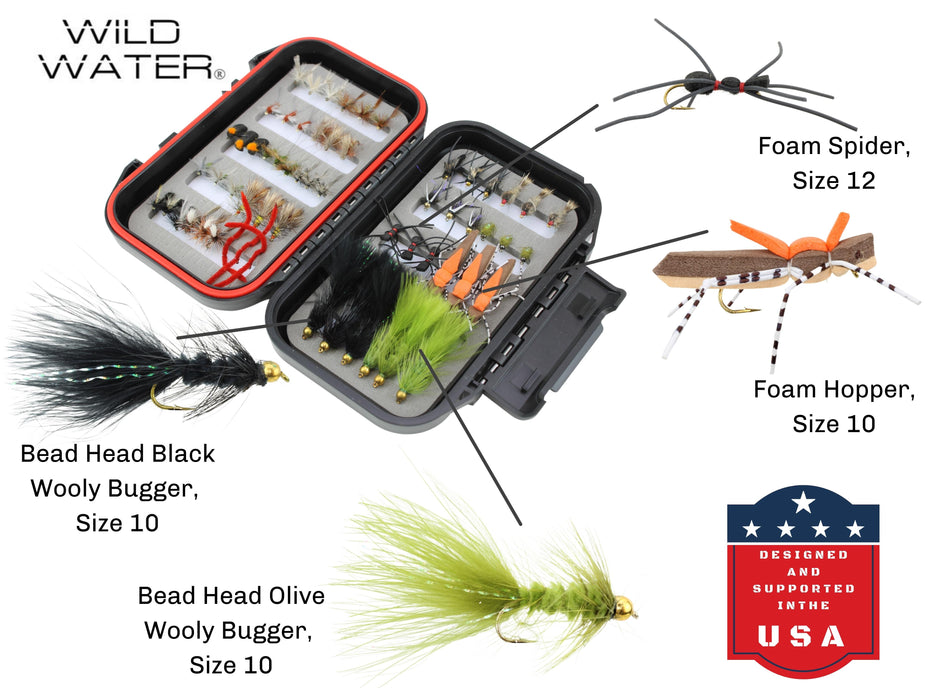
Wild Water's standard starter packages include everything above plus flies, tools, and a protective case. The 5-weight, 9-foot kit matches NC streams perfectly. Everything is assembled, tested, and ready to fish out of the box.

Essential Flies and Storage
Core fly selection for NC waters:
Dry Flies (sizes 12-18):
- Parachute Adams
- Elk Hair Caddis
- Blue-Winged Olive
- Stimulator
Nymphs (sizes 12-18):
- Pheasant Tail
- Hare's Ear
- Prince Nymph
- Copper John
Streamers (sizes 6-10):
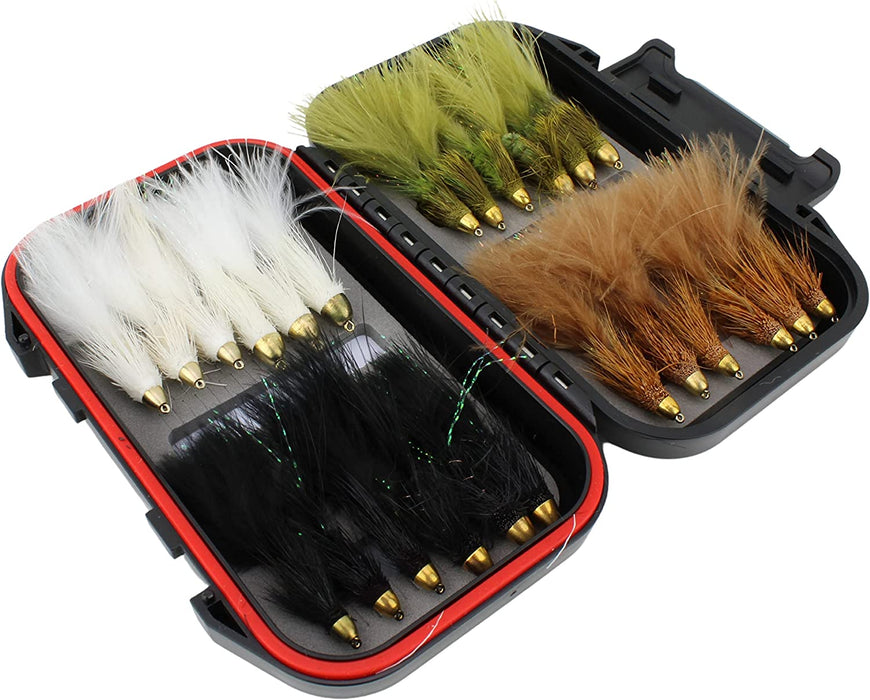
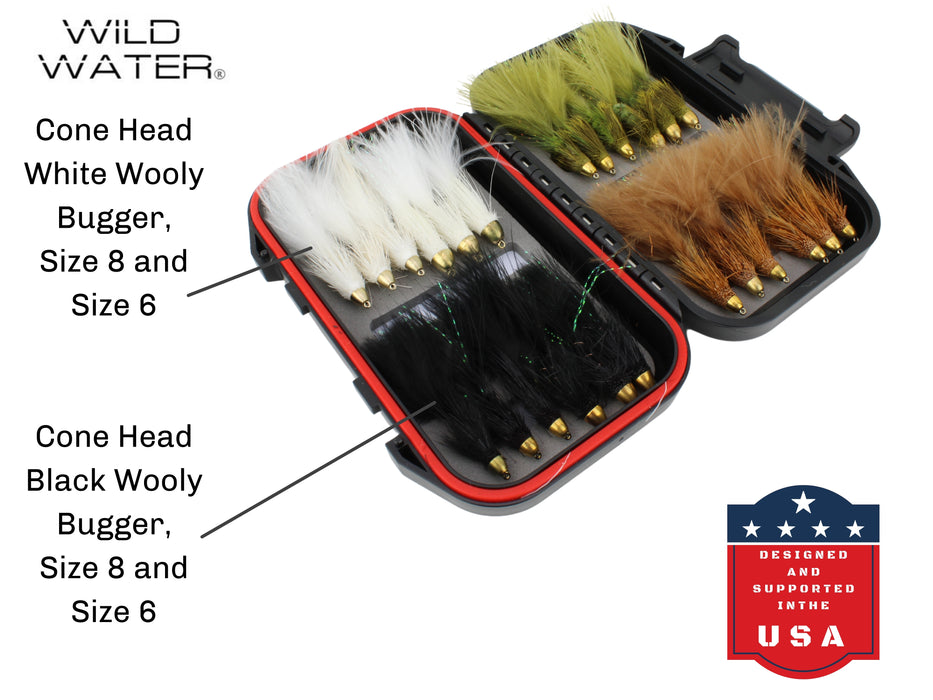
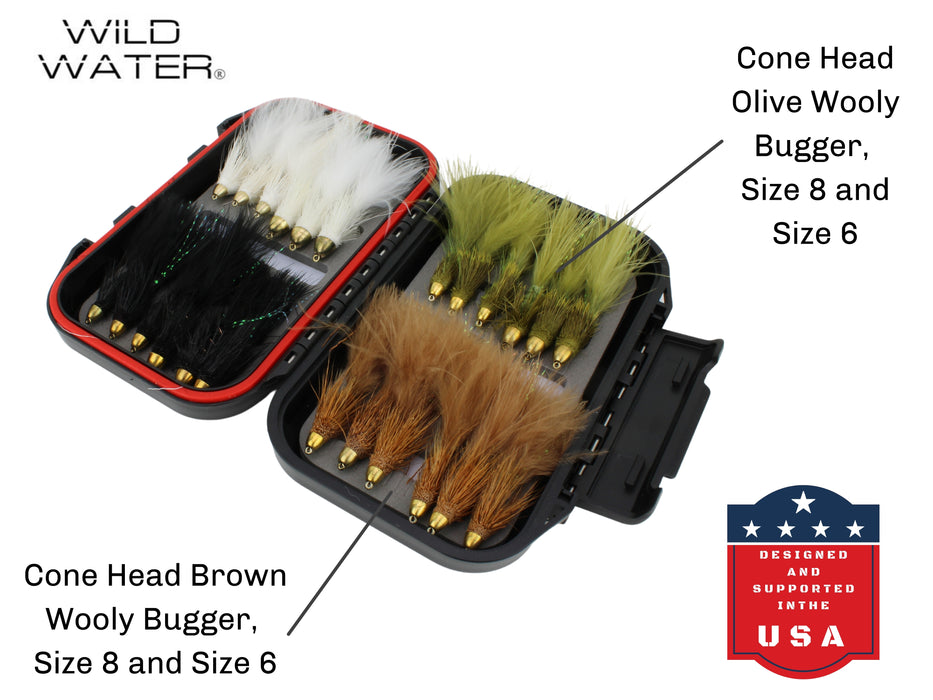
- Woolly Bugger (black, olive, brown)
- Clouser Minnow
- Muddler Minnow
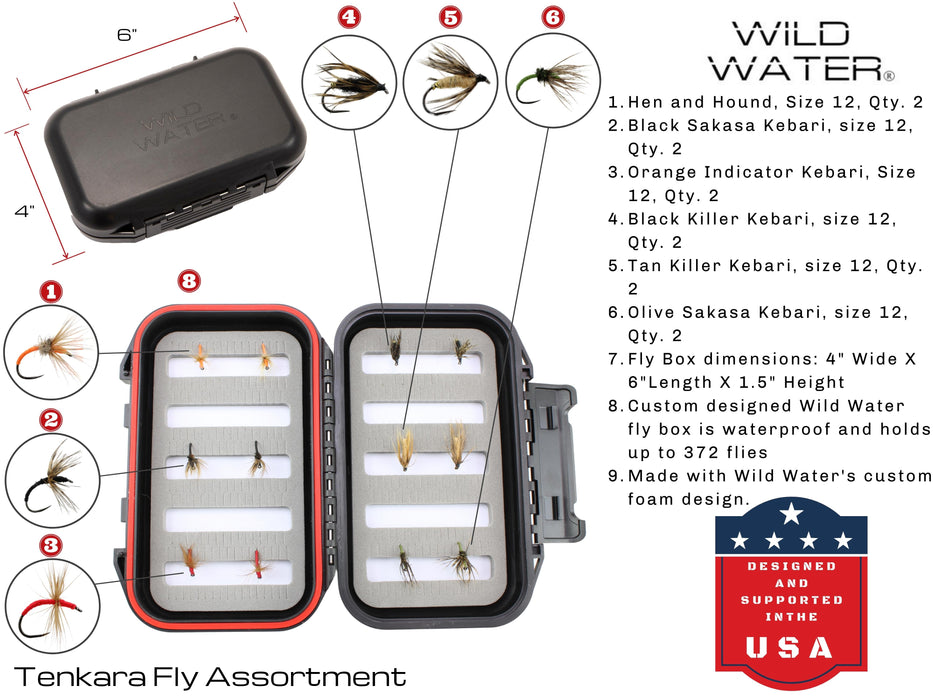
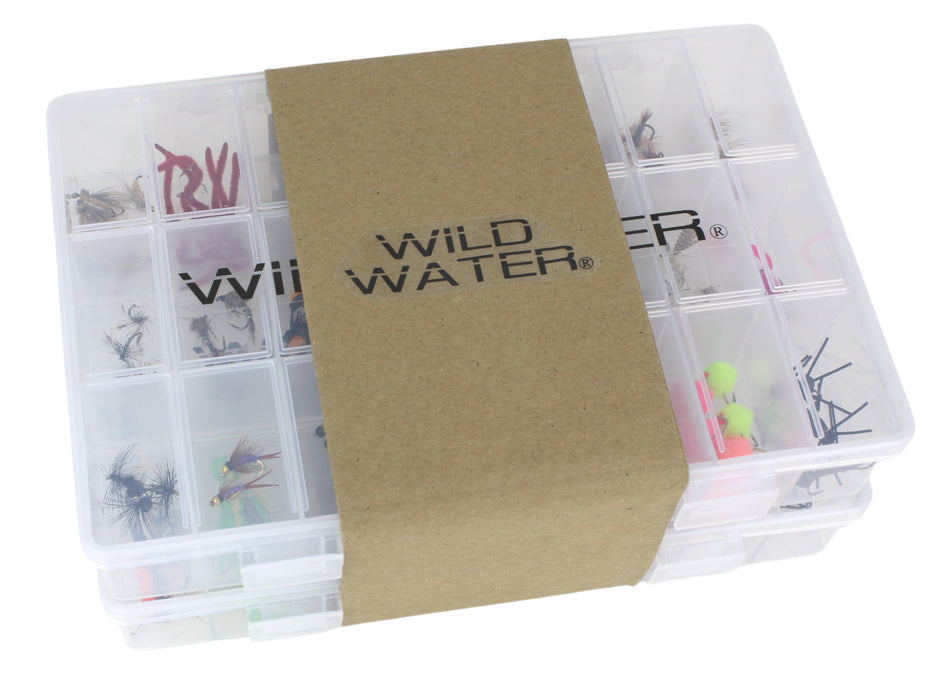
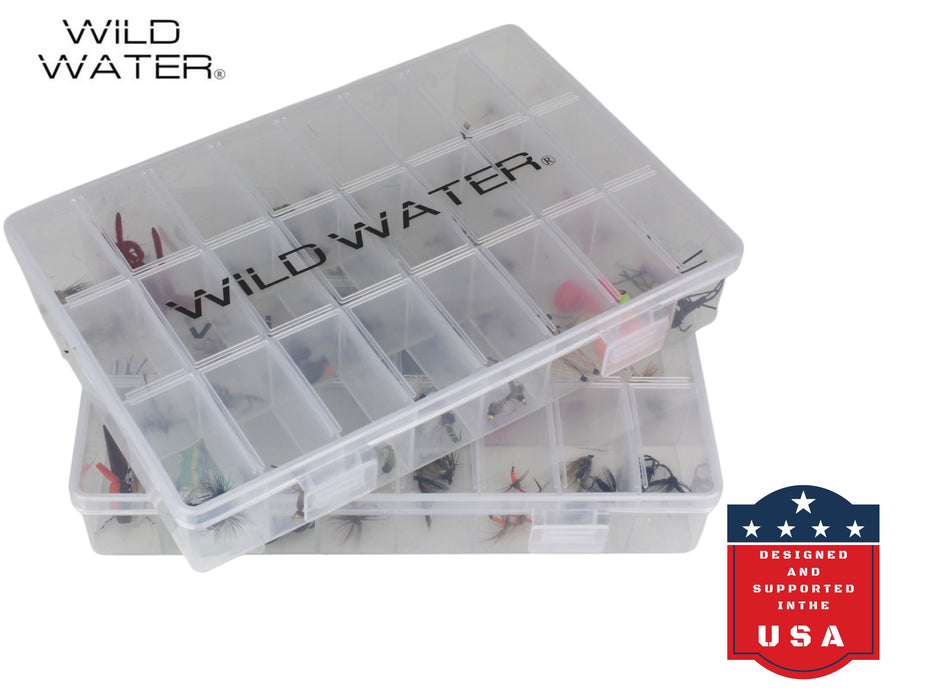
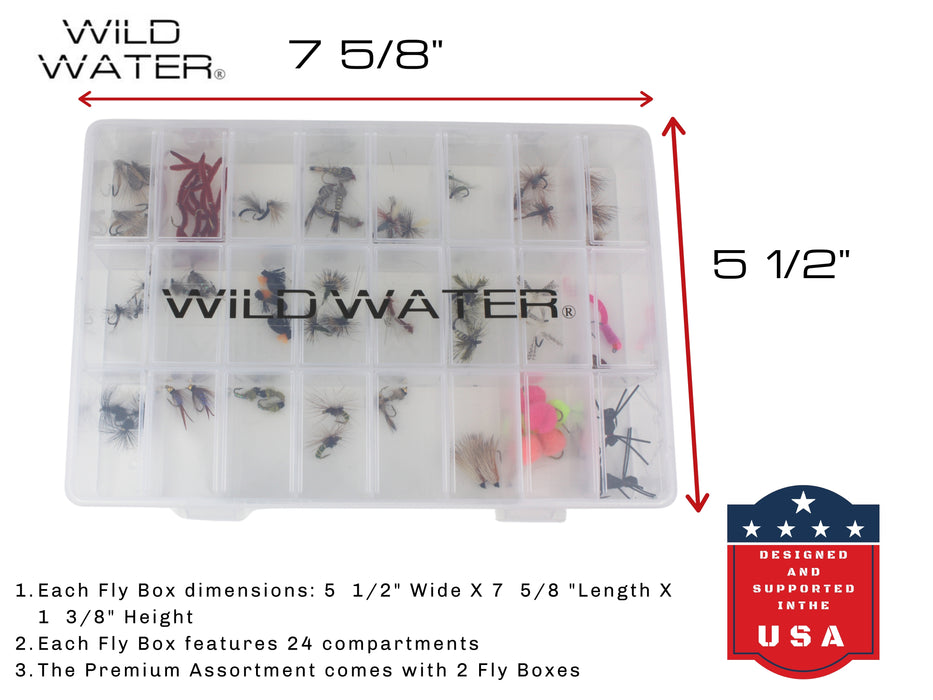
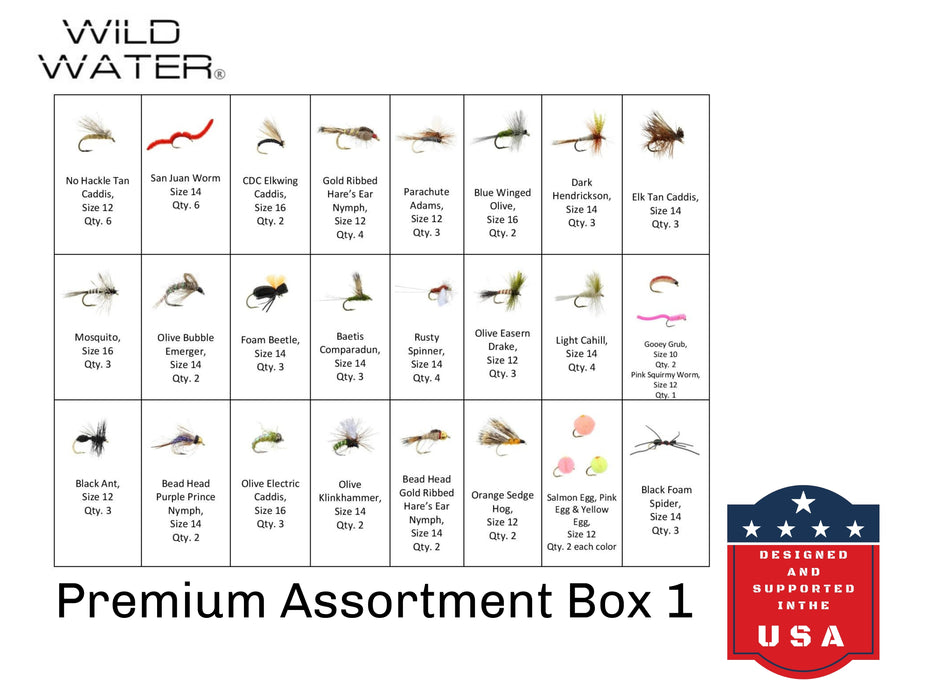
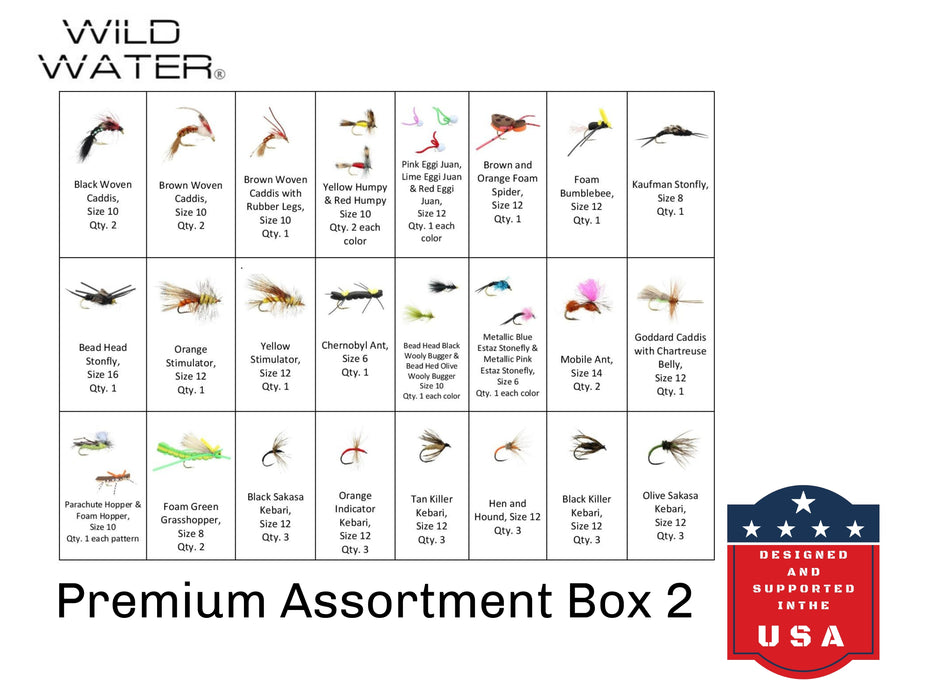
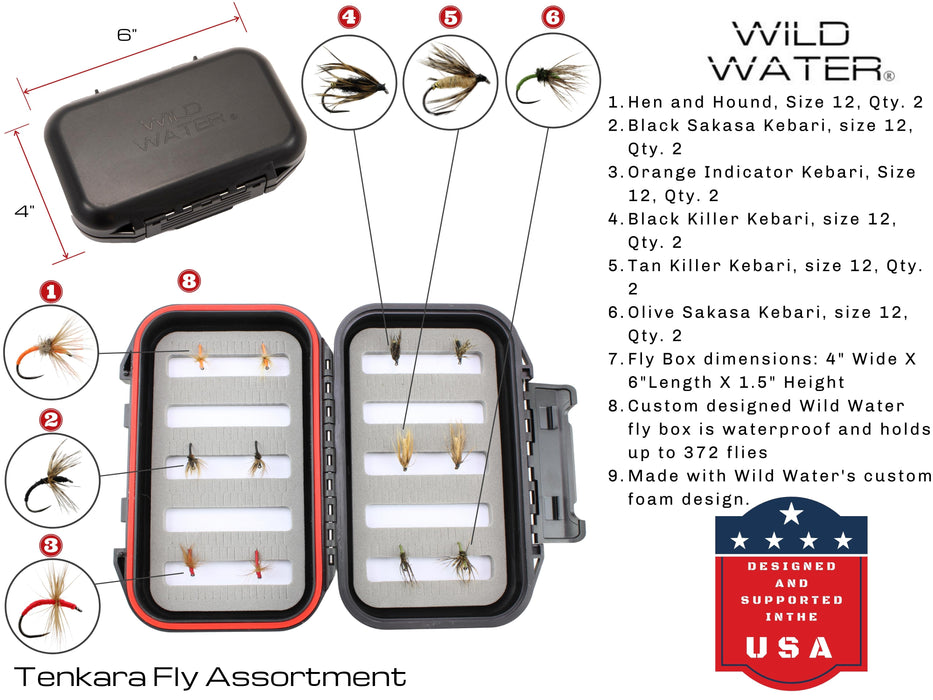
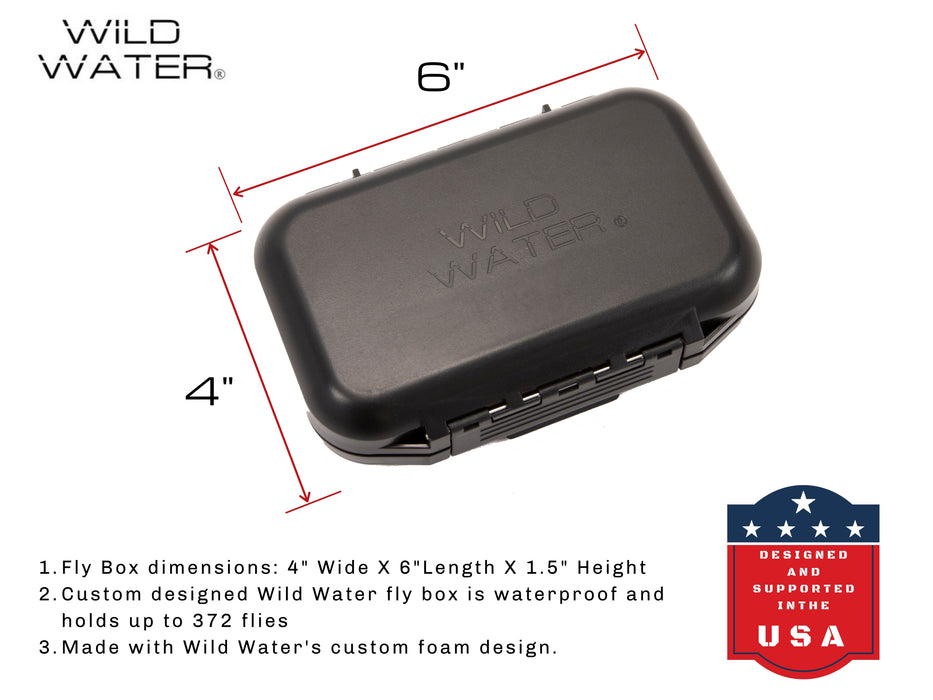
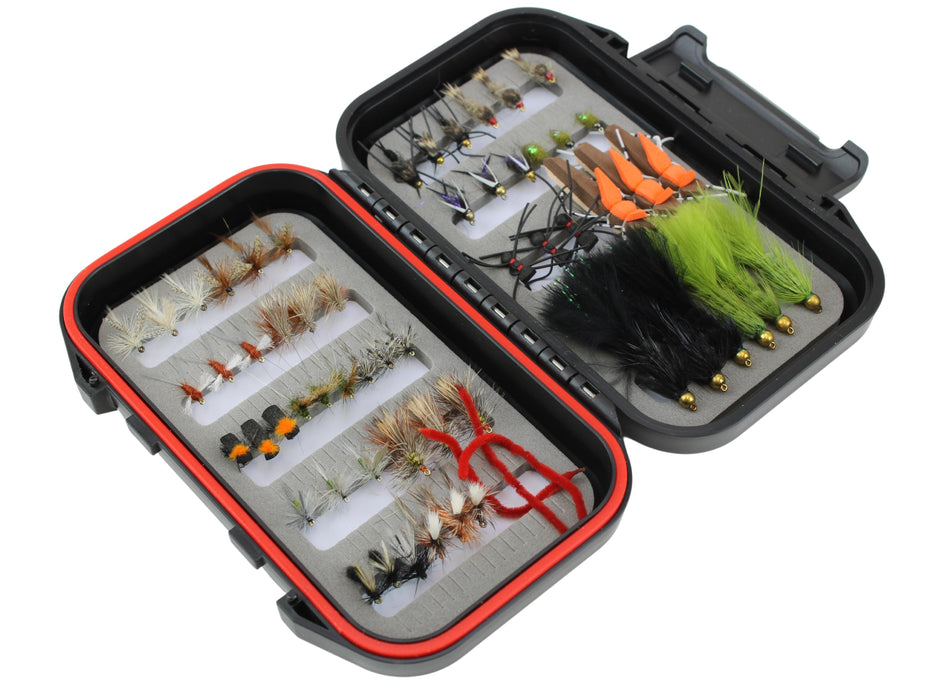
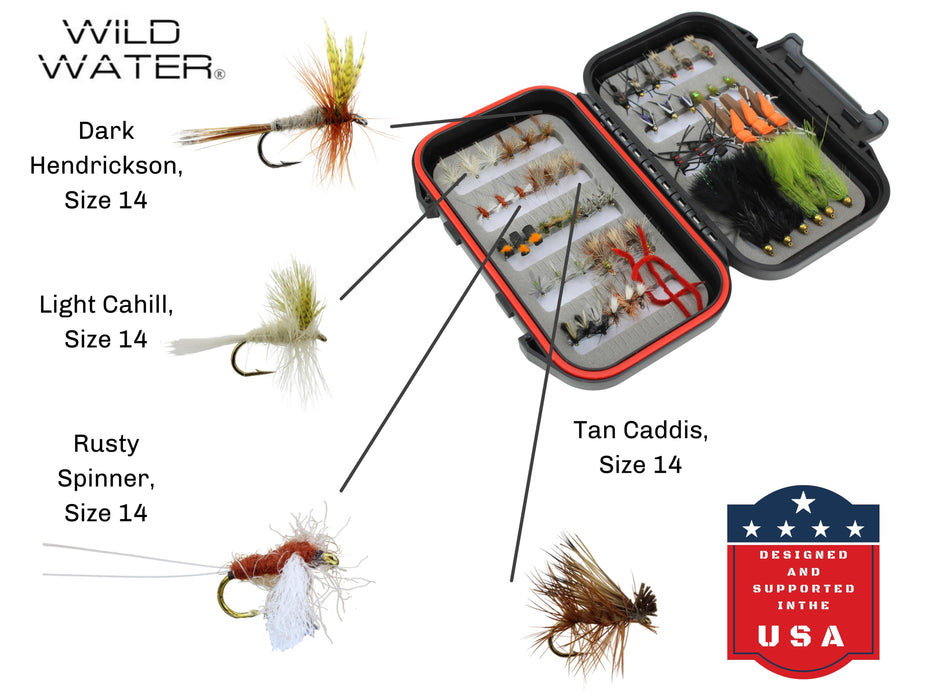
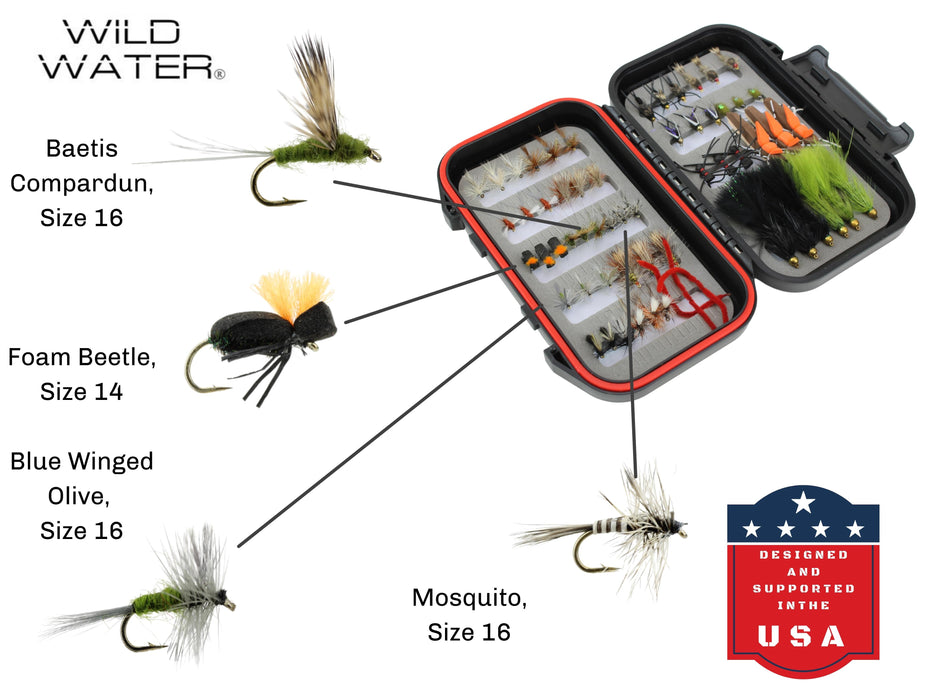
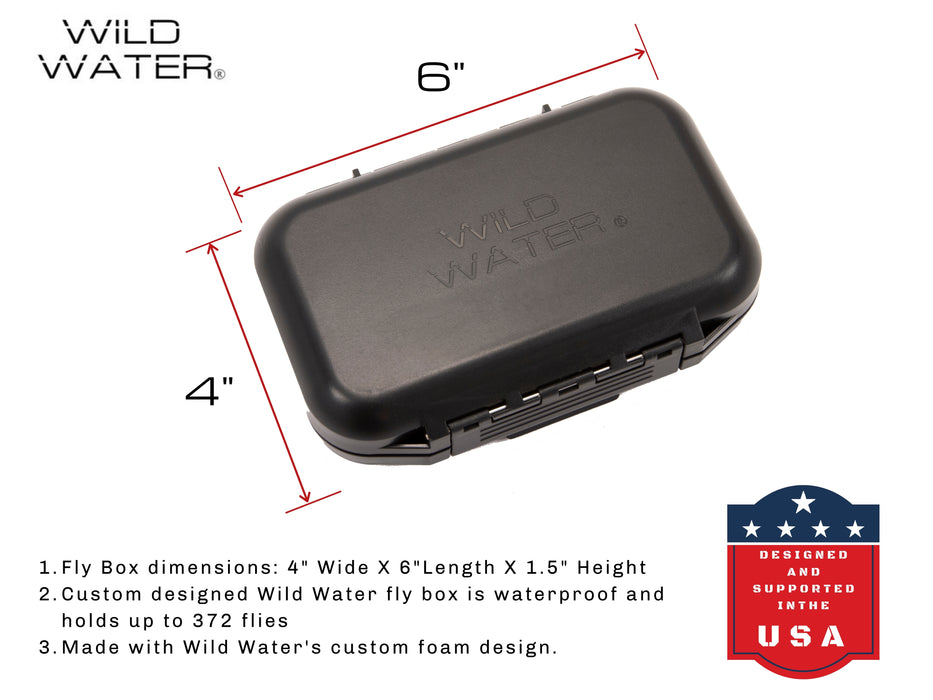
Wild Water's fly assortments provide curated selections for NC conditions. The Most Popular Flies collection includes patterns that work year-round across all three regions. Store your flies in a waterproof fly box that floats if dropped.

While these patterns cover general trout fishing in North Carolina, rainbow trout—the most common species in stocked waters—respond particularly well to specific fly selections. If you're primarily targeting rainbow trout in NC's delayed harvest waters, check out our comprehensive guide to the best flies for rainbow trout to refine your fly box for maximum success.
Additional Gear You'll Need
- Polarized sunglasses (see fish and structure underwater)
- Hemostats or forceps (remove hooks safely)
- Nippers (cut tippet cleanly)
- Strike indicators (for nymphing)
- Split shot (weight for nymphs)
- Floatant (keep dry flies floating)
- Small backpack or vest
- Water bottle and snacks
- Basic first aid kit
Waders and Boots (Optional but Recommended)
Lightweight breathable waders extend your fishing season into spring and fall when water temperatures drop. Stocking-foot waders with separate wading boots provide the best stability on slippery rocks. Start with hip waders ($80-120) for small streams, upgrade to chest waders ($150-250) as you explore larger rivers.
Why Families Should Fly Fish Together in North Carolina
Taking your child fly fishing creates memories they'll share with their children. Time outdoors away from screens teaches patience, observation, and persistence through shared challenge. Your first twenty casts might produce nothing. Cast twenty-one lands a 12-inch rainbow. That lesson applies everywhere in life.
The day you take your child fly fishing becomes a story they'll tell their children. Those children will ask to visit the same streams. Three generations later, your family still fishes together every spring. That tradition starts with one weekend decision to try fly fishing in North Carolina.
Frequently Asked Questions About NC Fly Fishing
Can you fly fish in North Carolina year-round?
Yes, North Carolina allows year-round fly fishing on most trout waters. Delayed harvest waters restrict harvest October through May but permit catch-and-release fishing during this period. Wild trout waters stay open year-round with a 4-fish daily limit. Check specific stream regulations before fishing.
What license do I need to fly fish in North Carolina?
You need a North Carolina fishing license and a trout privilege license. Resident licenses cost $30 annually. Non-resident licenses cost $54 annually. Purchase licenses online at ncwildlife.org or at Walmart, Bass Pro Shops, and local fly shops. Children under 16 fish free in North Carolina.
Are North Carolina trout streams catch-and-release only?
No, most NC trout streams allow harvest with a 7-fish daily limit. Delayed harvest waters require catch-and-release October through May, then allow 7-fish harvest June through September. Wild trout waters permit 4 fish daily year-round. Specific catch-and-release sections exist on select trophy waters.
What is the best fly rod weight for North Carolina trout fishing?
A 5-weight fly rod handles 90% of North Carolina trout fishing. This weight casts dry flies delicately for spooky trout while providing enough backbone for streamers and handling wind. Pair it with a 9-foot rod for versatility across streams ranging from 10 to 60 feet wide.
Ready to Start Your North Carolina Fly Fishing Journey
North Carolina offers everything beginners need: 1 million stocked fish across 180+ accessible stocking locations, year-round fishing seasons, and 5,400+ miles of public water across three national forests.
Your most important gear decision is choosing a complete starter kit rather than buying random pieces. More than 10,000 families have caught their first trout using Wild Water equipment on NC mountain streams. The gear works. The real question is: when will you make your first cast?
Your action plan for the next two weeks:
- Order your complete fly fishing starter kit (arrives in 2-3 days with free shipping)
- Practice casting for 15 minutes on grass before your first fishing trip
- Check the NC Wildlife stocking schedule and pick a recently-stocked delayed harvest stream
- Plan to arrive before 8am on a weekday in April, May, October, or November for best conditions
- Start at the bottom of the delayed harvest section and work upstream, fishing pockets behind boulders and current seams
- Begin with versatile patterns like Parachute Adams or Pheasant Tail Nymphs from our most popular flies collection
- Practice catch-and-release during delayed harvest season (October-May)
- Visit a local fly shop to get current fishing reports and connect with the community
One weekend from today, you could be standing in a North Carolina mountain stream watching your child's rod bend with their first trout. That moment changes everything. The mountain streams of western North Carolina have been creating these moments for four generations of anglers. They're waiting to create yours.