The Provo River is the most accessible blue-ribbon trout fishery in Utah, which holds about 2,500 to 3,500 fish per mile across three distinct sections. You can target German brown trout and rainbow trout year-round, even when freestone rivers (natural, undammed waterways) are frozen or blown out.
This guide covers the Middle, Lower, and Upper Provo access points, best flies, rig setup, and seasonal fishing conditions. If you're a first-timer, expect that the waters of the Provo River offer great fishing experiences within 45 minutes of Salt Lake City.
We'll explain the details below, so read on.
Key Takeaways
-
The Provo River offers year-round fishing across 3 regions: Upper, Middle, and Lower Provo. Tailwater flows from Jordanelle and Deer Creek reservoirs maintain 40-50°F water temperatures that support 2,500-3,500 trout per mile.
-
The Middle Provo is the easiest section to fish. You get easier wade access, with multiple parking areas along River Road in Heber Valley.
-
Upper Provo provides wilderness fishing with smaller wild brown and cutthroat trout in pocket water and runs above Jordanelle Reservoir.
-
Lower Provo holds trophy rainbow trout that are larger than those in the Middle.
-
Carry small nymph and midge patterns in sizes 18-24 that produce fish on all sections throughout the year.
-
Plan your Provo fishing trips in October. This month is best for low-pressure conditions, aggressive fish, and comfortable weather across all regions.
Here’s how the 3 sections of the Provo River differ:
|
Section |
Character |
Primary Species |
Fish Per Mile |
Best For |
|
Upper Provo |
Freestone upstream to headwaters |
Wild brown trout, cutthroats |
1,500-2,000 |
Solitude seekers |
|
Middle Provo |
Tailwater meadow water |
German brown trout |
3,000+ |
Wade fishing, beginners |
|
Lower Provo |
Tailwater through Provo Canyon |
Rainbow trout (trophy) |
2,500+ |
Big fish hunters |
Provo River Overview: Utah's Premier Blue Ribbon Fishery
The Provo River flows about 70 miles from the Uinta Mountains through Heber Valley and Provo Canyon before reaching Utah Lake. Along the way, these reservoirs divide the Provo River into 3 sections (Upper, Middle, and Lower):
-
Jordanelle Reservoir: Divides the Upper Provo from the Middle.
-
Deer Creek Reservoir: Separates the Middle and Lower Provo.
What makes this interesting? It creates two separate tailwater fisheries on the same river, which keeps the water temperatures stable. These tailwater conditions produce German brown and rainbow trout year-round when freestone rivers are unfishable due to runoff or ice.
Most anglers new to Provo face the same question: which section should I fish first? Let's break down what you'll find in each (Middle, Lower, and Upper Provo).

Middle Provo River Fly Fishing
If you fish only one section of the Provo, make it the Middle. This stretch holds more than 3,000 wild brown trout per mile, especially around well-known spots like Lunker Lane and Rickety Bridge. Most fish measure 12-14 inches, but browns over 18 inches are common enough that seeing a few in a day isn’t unusual.
Why is fishing good all year? We’re saying this again: it’s the stable tailwater flows. The water released from Jordanelle Dam comes from the bottom of the reservoir, where the temperatures are steady around 40-45°F. Even when air temperatures drop below freezing, fish continue feeding because the water stays warm to keep their metabolism active.
The fun part is that you can sight-fish to rising trout in the meadow sections when conditions are right, which feels satisfying once you experience it.
Lower Provo River Fly Fishing
The Lower Provo flows from Deer Creek Reservoir through Provo Canyon (you can tell if it passes through landmarks like Bridal Veil Falls). Above all else, this section is known for one thing: big, powerful rainbow trout.
You can fish for over 20 inches and get a chance for a true trophy. These trout live in faster water than the Middle Provo, which is why their runs are so strong and fast. We've hooked rainbows here that stripped 40 yards of line on the first run, not because we had bad drag settings, but because the fish was that strong.
Here's the catch: Summer brings heavy tubing traffic through Provo Canyon. Tie on these flies for rainbow trout early in the morning (before 9 AM) or target weekdays to avoid the crowds.
Upper Provo River Fly Fishing
Looking for solitude more than trophy fish? The Upper Provo flows from the headwaters in the Uinta Mountains downstream to Jordanelle Reservoir. This is where you go when you want to escape the crowds and don't mind working harder for your fish (though we recommend starting with the Middle Provo).
You'll find less fishing pressure here due to more difficult access and smaller average fish. Water conditions vary with seasonal runoff since there's no upstream dam to regulate flows. Note that spring runoff can completely flush this section for more than a week.
Wait until the Upper Provo runs clear in late summer and fall. We’ve found it offers a wilderness fishing experience you won't find downstream.
We feature the Provo River in our top fishing destinations in the US. Check it out to learn more or get insights into the other rivers you can add to your bucket list. Bookmark our guide on how to fly fish for trout, along with the fly patterns you should bring.
Best Flies for Provo River (Sizes, Season, & Where to Use)

The best flies to fish on the Provo River are the Zebra Midge, Pheasant Tail Nymph, and Hare’s Ear Nymph. Trout have all day to inspect them in gin-clear water, so you need to choose the right sizes and season. Here’s what we recommend:
|
Pattern |
Sizes |
Season |
Best Section of the Provo River |
|
18-22 |
Year-round |
All |
|
|
RS2 |
18-22 |
Year-round |
All |
|
Pheasant Tail Nymph |
16-20 |
Year-round |
All |
|
14-18 |
Year-round |
Middle, Lower |
|
|
12-14 |
Year-round |
All |
|
|
18-22 |
Spring, Fall |
All |
|
|
PMD |
16-18 |
Summer |
Middle |
|
Sow Bug |
16-18 |
Year-round |
Lower |
|
6-10 |
Fall, Winter |
Lower |
For more patterns, review our list of the best trout flies that includes hatch picks. Need help on what flies to pick? Skim this guide to help you choose the right fly.
The Provo Rig Explained
The Provo Rig is a two-fly nymphing setup by local guides specific for Provo River conditions. It uses a heavier lead fly (size 14-16 attractor like a Hare's Ear or Prince Nymph) with a smaller dropper (size 18-22 midge or RS2) tied 18-24 inches below it. Use this setup to cover both the bottom and mid-column where Provo trout feed most.
Quick Tip: Fish the Provo Rig with indicator nymphing or tight-line euro techniques, depending on water depth and your preference. The heavier fly gets down quickly while the smaller dropper imitates the midges and tiny mayflies that make up most of the trout's diet.
Got questions? The sections below will help you better understand it.
Seasonal Fly Fishing on the Provo River
Most western trout rivers shut down for at least part of the year (seasonal). Spring runoff even blows them out, and the Provo's tailwater flows change that equation entirely. You need to know this, so you don’t waste time searching when nothing really works.
Let's break down what each season offers.

Winter Fly Fishing (December-February)
Stable tailwater temps keep fish feeding on the Provo (we know we mentioned it for the nth time), which makes tailwater fishing a goldmine in winter. You'll want to focus on slow, deep pools between 10 AM and 3 PM when water temps are warmest.
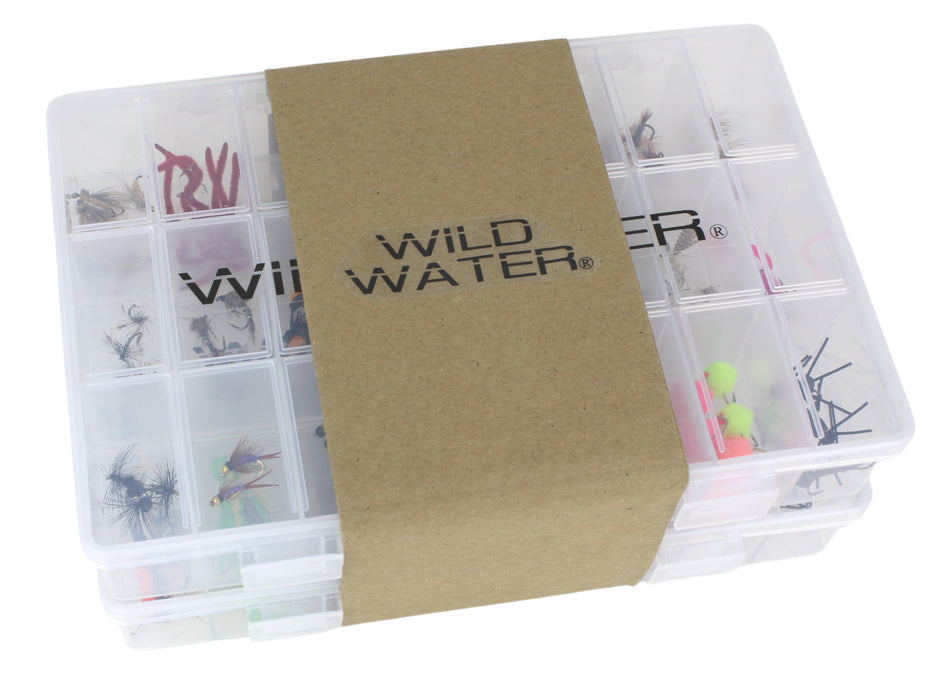
Note: Feeding activity declines at water temperatures below 40°F because trout are cold-blooded. Their metabolism slows with the water temp, and they simply don't need to eat as much. Stock up on black Zebra Midges and Nymph Fly Assortment for a ready-to-use variety of subsurface patterns (24 flies included).
For the best strategy, downsize to midge patterns in sizes 20-24 with 5X-6X fluorocarbon tippet for clear water conditions. Also, Heber Valley air temperatures range from 25-40°F with rapid afternoon drops, so dress in layers or read our guide to fly fishing in the cold weather.

Spring Fly Fishing (March-May)
Spring runoff makes the Upper Provo muddy and difficult to fish, but the Middle and Lower Provo remain clear and productive. That’s the advantage of fishing below dams: it keeps flows steady, even when snowmelt pounds the upper river. Runoff hits the Upper Provo hardest, while the Middle and Lower sections remain fishable.
BWO hatches start in March and run through May, with the best action happening on overcast, drizzly days (the kind of weather most anglers avoid, which means fewer crowds for you). What makes cloudy days so productive? BWOs hatch better on cloudy, cooler days, and trout feed confidently when the light is low.
Summer Fly Fishing (June-August)
This is the season for dry fly fishing in Provo. PMD hatches and caddis offer the best fishing of the entire year. You can fish early in the morning before 9 AM and in the evening after 6 PM to avoid heat and crowds.
Here's a productive midday strategy: Use terrestrials such as hoppers, ants, and beetles work along grassy Middle Provo banks during midday, when hatches slow. While other anglers sit in their cars waiting for the evening, you can catch fish on terrestrials in the afternoon.

Also, the Lower Provo experiences heavy tubing traffic during the summer, so target weekdays when possible. Weekends get crowded enough that fishing quality drops.
Fall Fly Fishing (September-November)
Fall is the best time to target big brown trout on the Provo. As spawning season approaches, browns enter a pre-spawn feeding phase that makes them aggressive and willing to chase large streamers.
During this period, brown trout focus on bulking up for winter. They aren’t spawning yet, but instinct tells them cold months are coming. That urgency pushes them to hunt bigger prey, which is why streamer fishing works best in the fall.
We’ve found that flies ignored in summer can trigger violent strikes in September-November. So fish streamers along undercut banks, deeper runs, and near structure where big browns hold.
Check out our streamer flies collection for lure patterns that trigger aggressive strikes.
Middle Provo River Access Points and Map
Getting to the water couldn't be easier on the Middle Provo. Multiple parking areas along River Road in Heber Valley put you within a short walk of productive water. No long hikes. No scrambling down steep banks. Just park, gear up, and start fishing.
Here are the main access points you should know:
Lunker Lane: Located directly below Jordanelle Dam, this section has the highest fish density on the river and the heaviest fishing pressure. You'll see other anglers here, but the fishing is good enough that it's worth dealing with.
Rickety Bridge: Provides good wade access to productive runs and pools with slightly less pressure than Lunker Lane. This is a solid choice for your first trip.
Bunny Farm: Meadow section offering walk-and-wade access with excellent sight-fishing opportunities for bank-feeding trout. The open water makes it easier to spot fish.
River Road South / Charleston: Multiple pullouts access the lower Middle Provo near Deer Creek Reservoir. This area sees less pressure than the upper sections.
Read our guide on what to bring when fly fishing for a complete gear and setup checklist.
Provo River Water Flows and Current Conditions
Before you fish the Provo, check the flows. This one step can save you from a wasted trip. River levels are controlled by dam releases from Jordanelle Reservoir (Middle Provo) and Deer Creek Reservoir (Lower Provo), and those releases can change fast.
Your most reliable tool is the USGS gauge for “Middle Provo below Jordanelle Dam.” It provides real-time flow data and gives you a clear picture of current conditions before you leave home. Pair that with updates from the Utah Division of Wildlife Resources, which posts regular fishing reports that include conditions and hatch activity.
Be sure not to skip this step. A quick flow check helps you choose the right section, flies, and fishing strategies, and keeps surprises to a minimum once you’re on the river.
Gear Recommendations for Fishing the Provo River
A 9-foot, 5-weight fly rod covers almost everything you’ll do on the Provo. It’s light enough for delicate midge presentations but still strong to throw nymph rigs and small streamers. If you bring only one rod, this is the best all-around choice for the river.
Since the Provo is a clear tailwater, leader and tippet matter. Plan on 9–12 foot fishing leaders and 5X–6X fluorocarbon tippet to reduce drag and keep spooky trout from seeing your line.

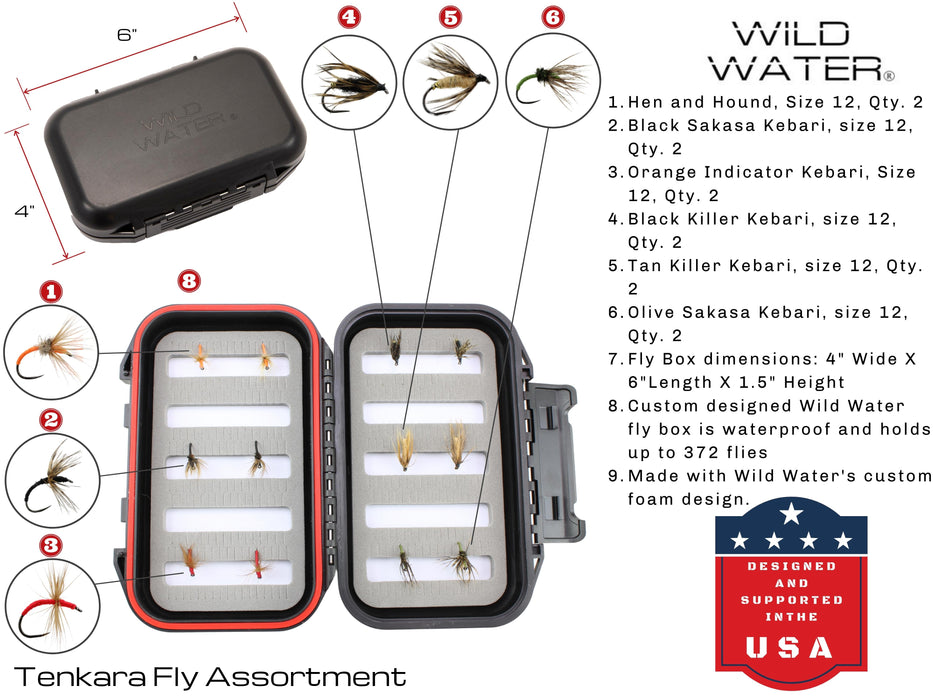
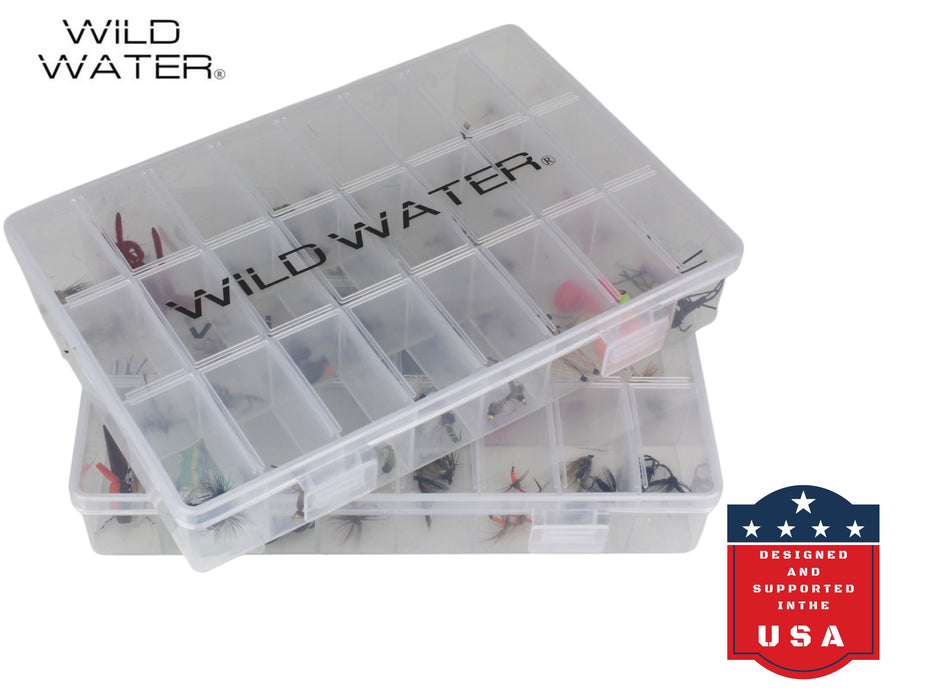
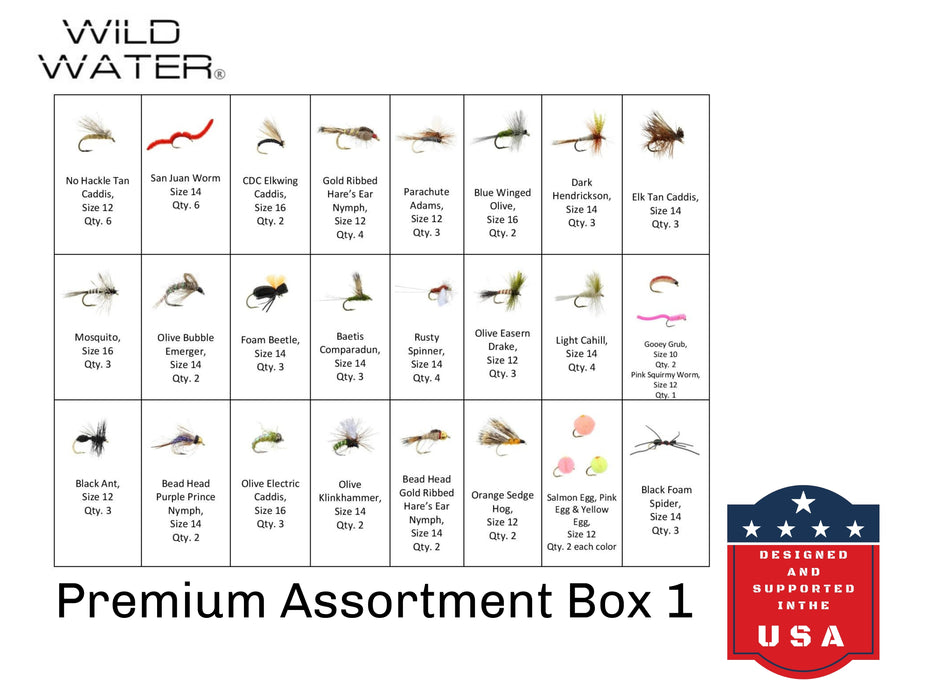
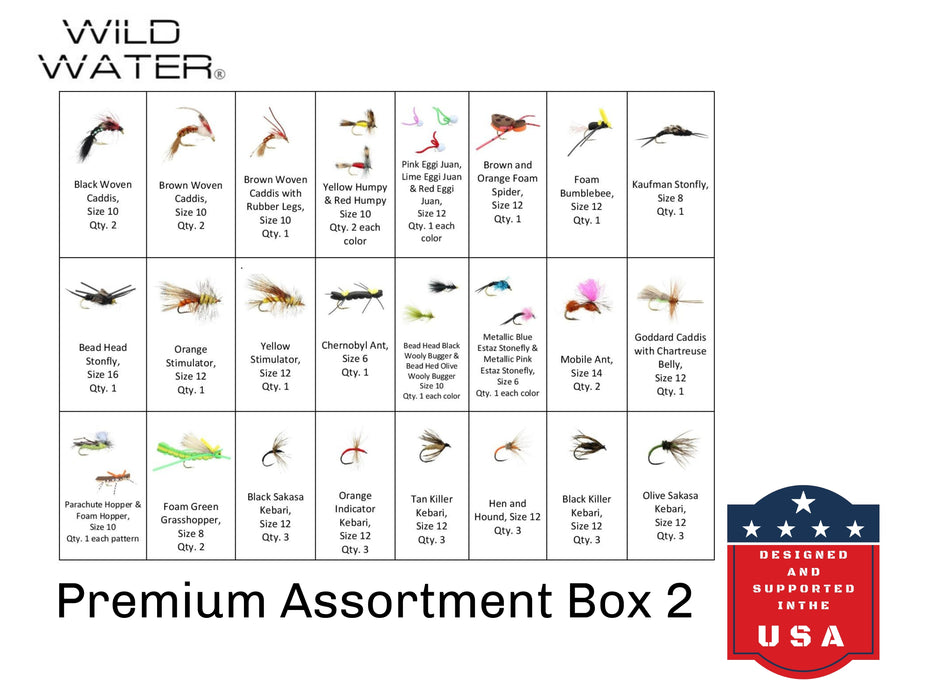
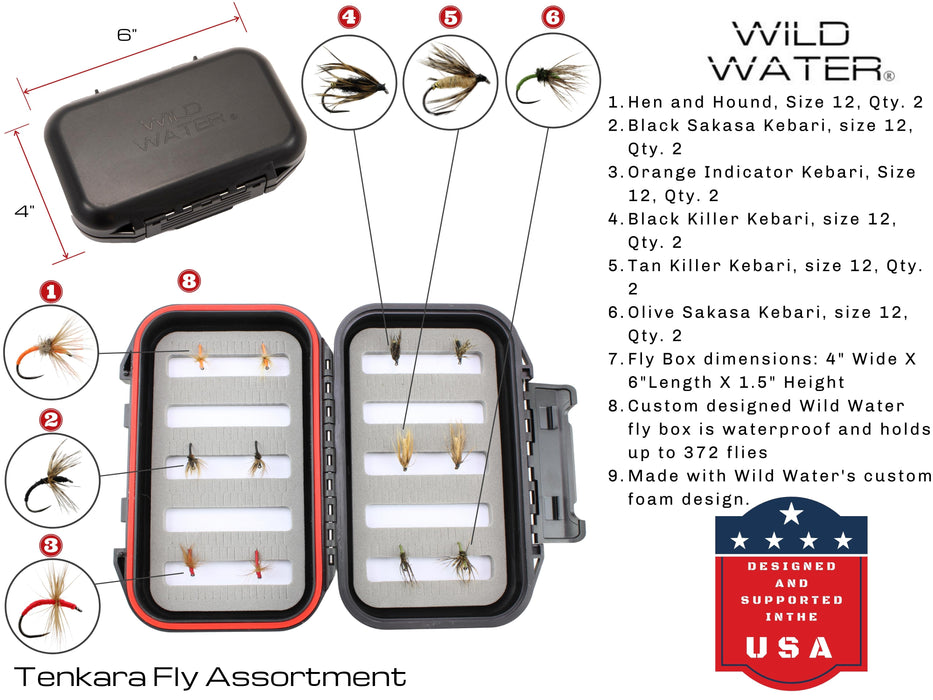
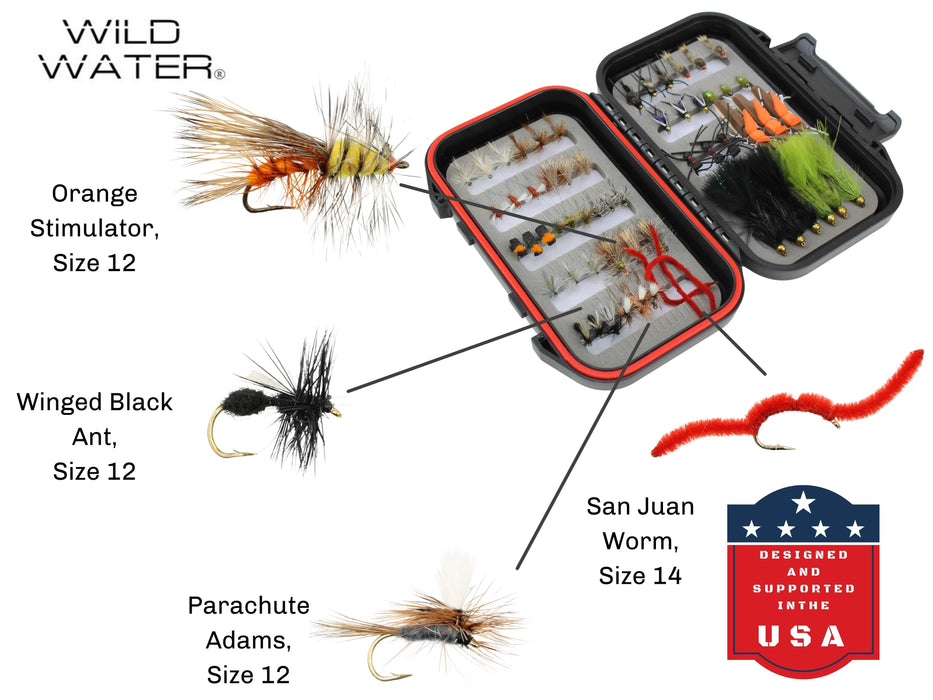
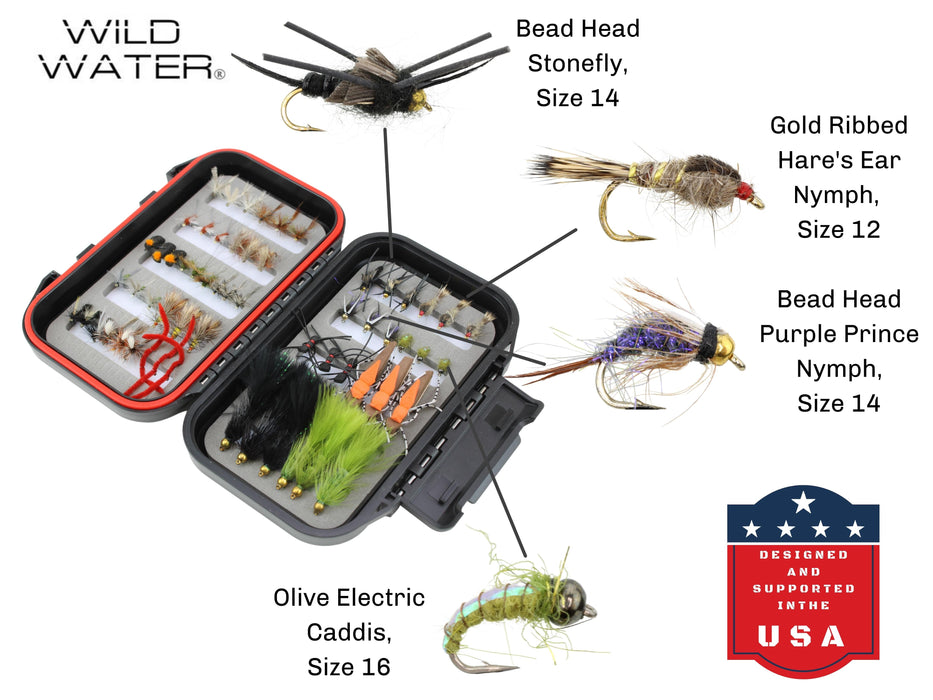
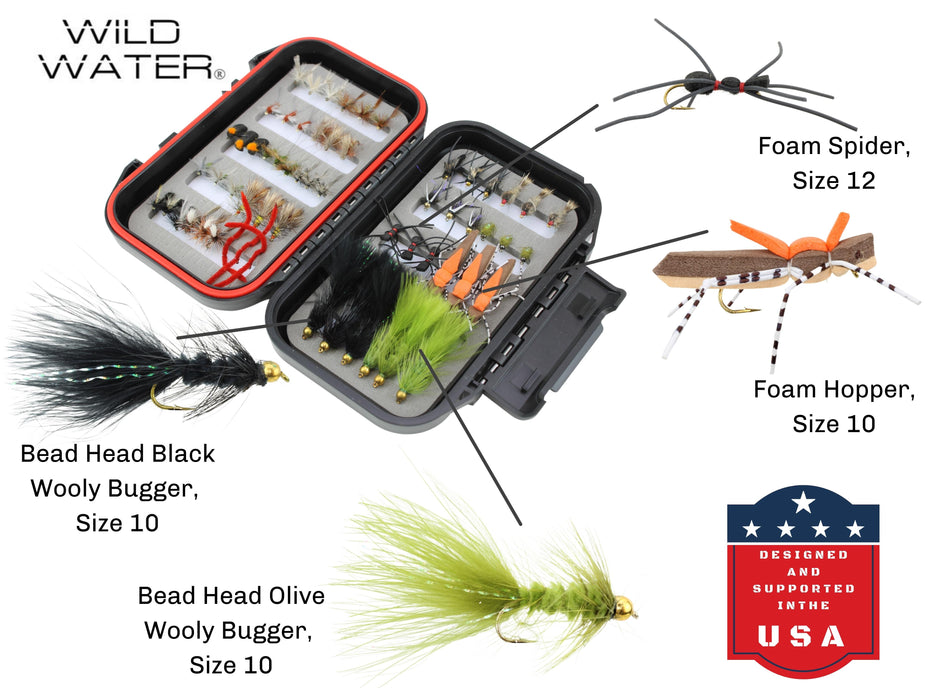
Your fly box should also focus on subsurface patterns. Carry a well-rounded nymph assortment with proven flies like Pheasant Tails and Zebra Midges in multiple sizes and colors.
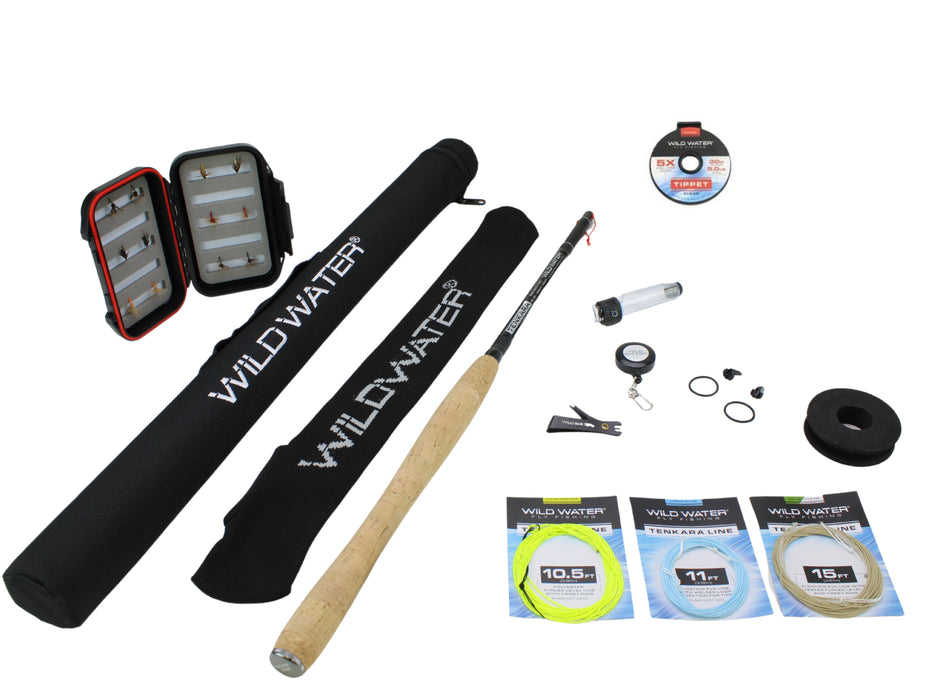
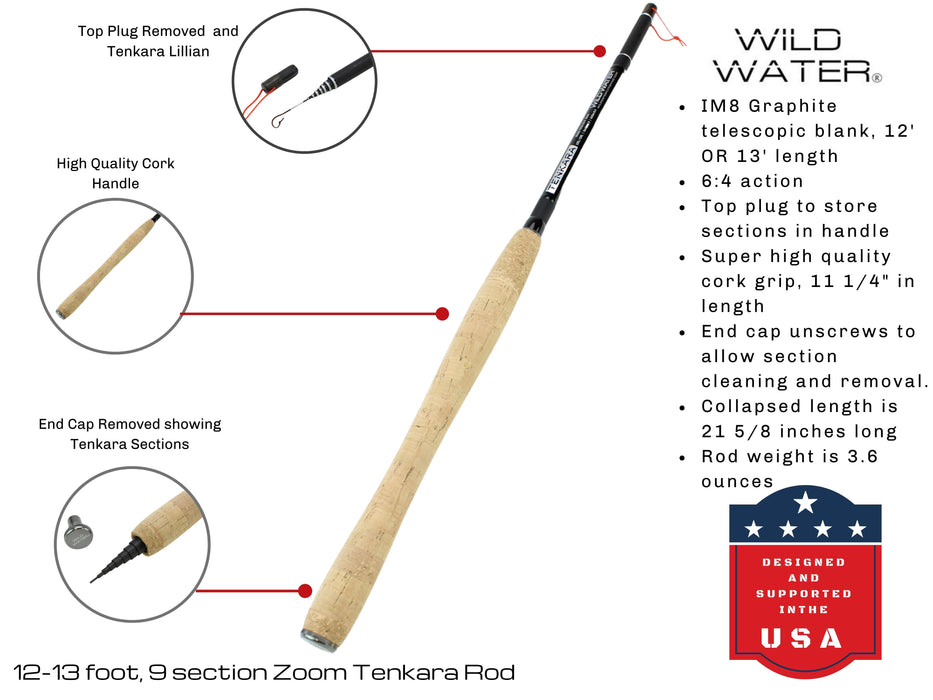
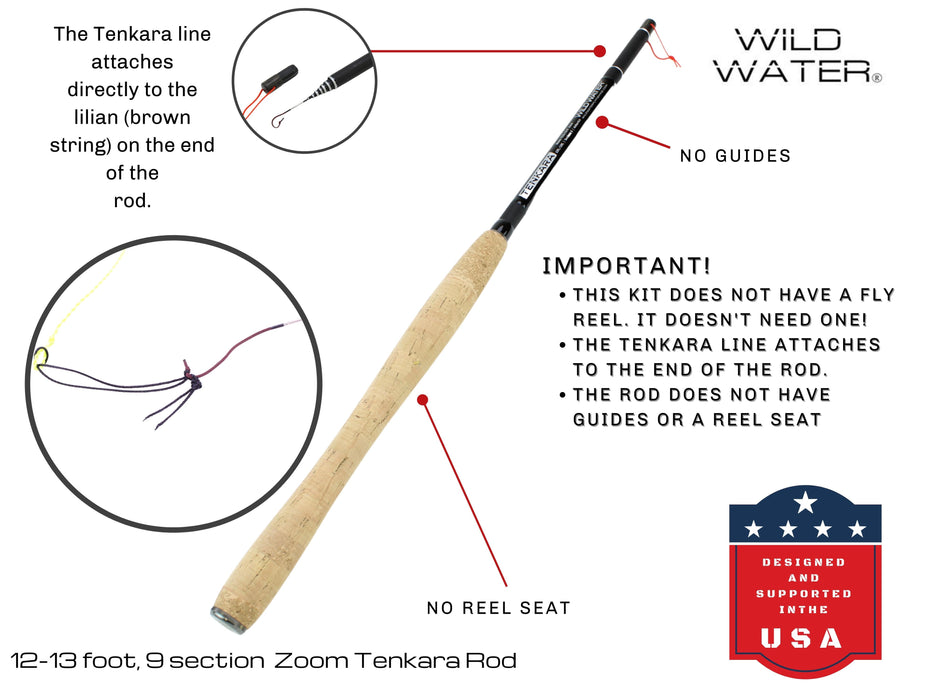
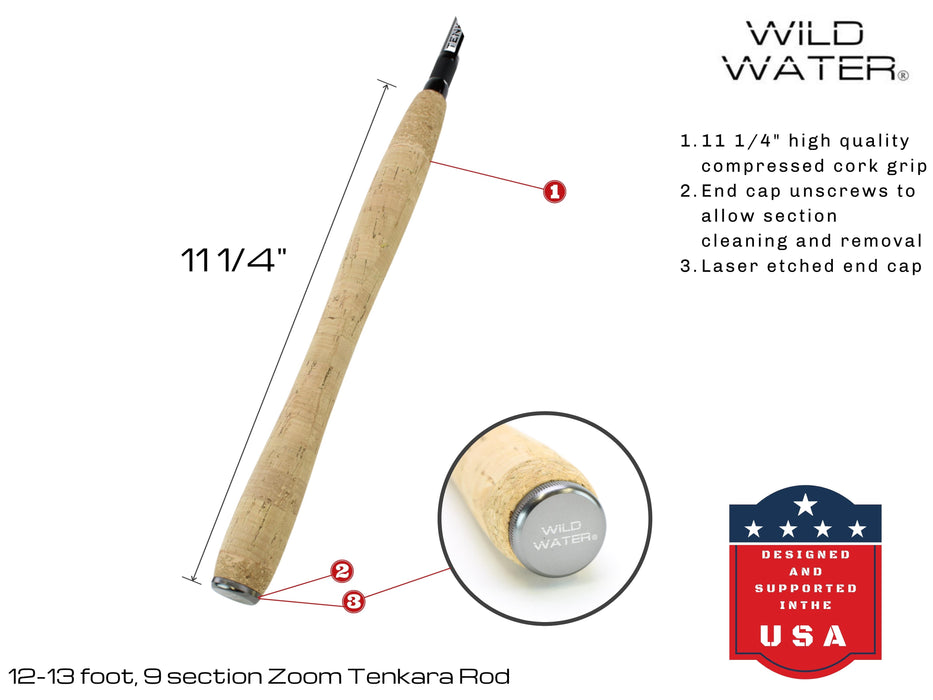
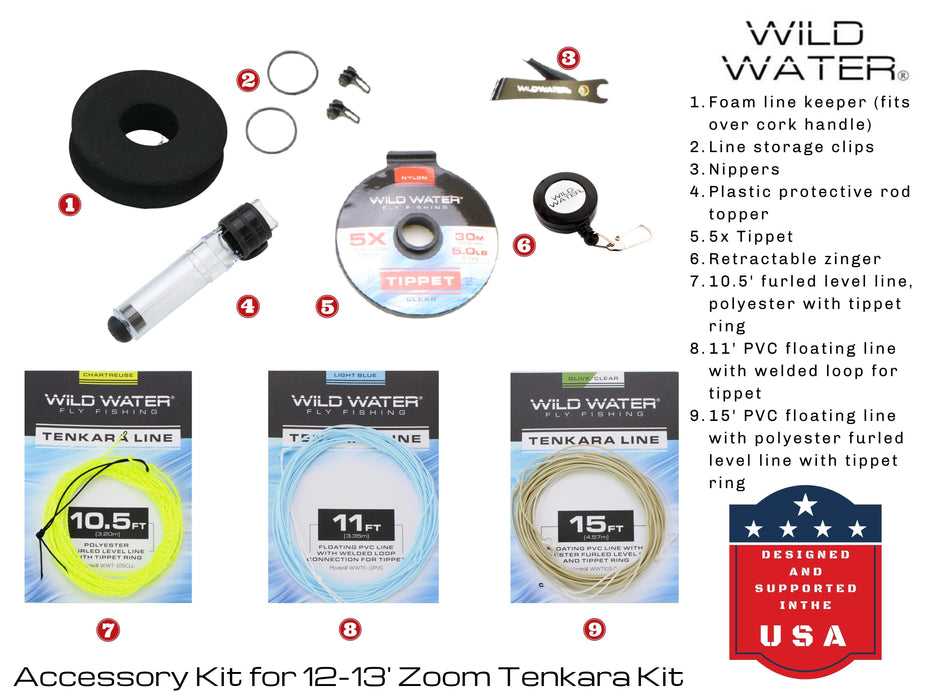
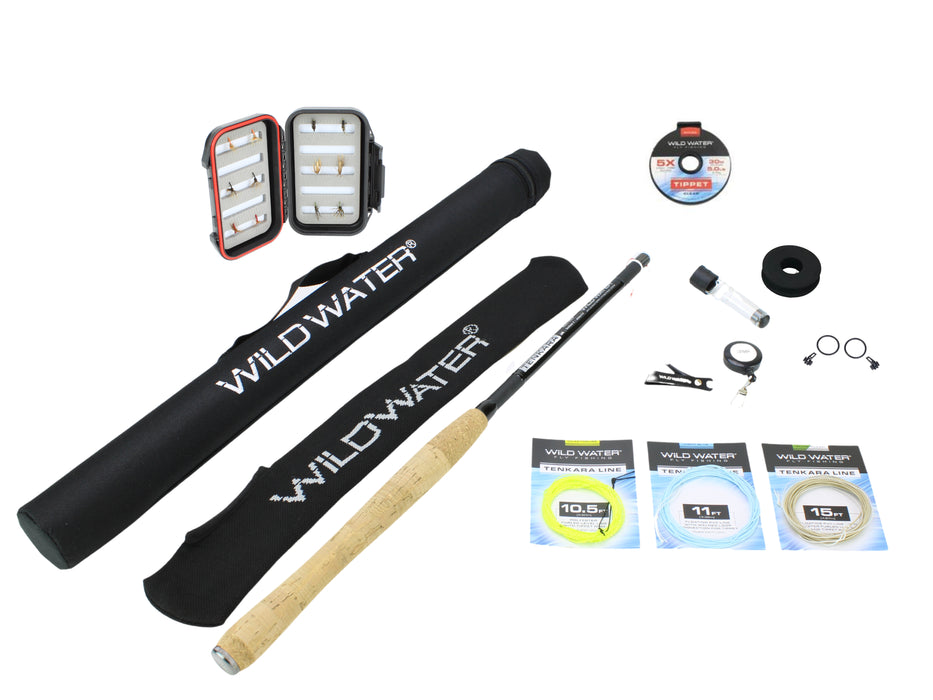
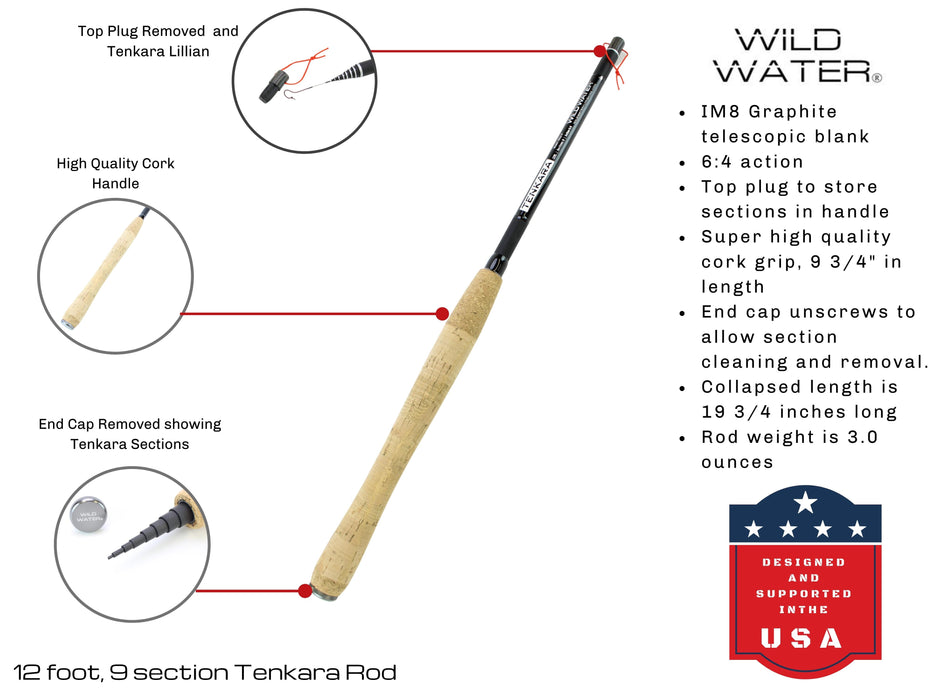
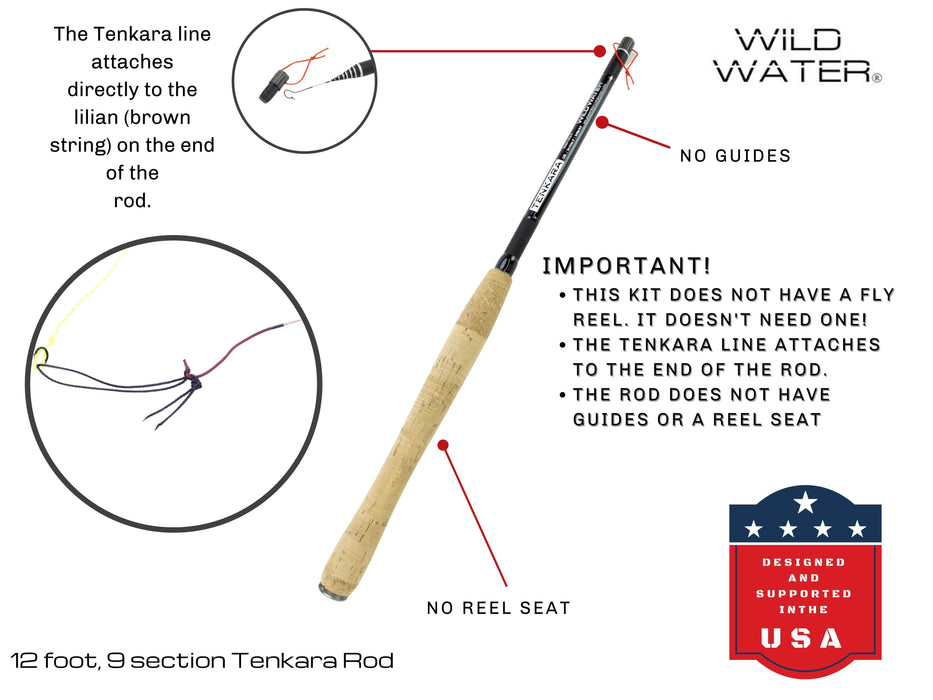
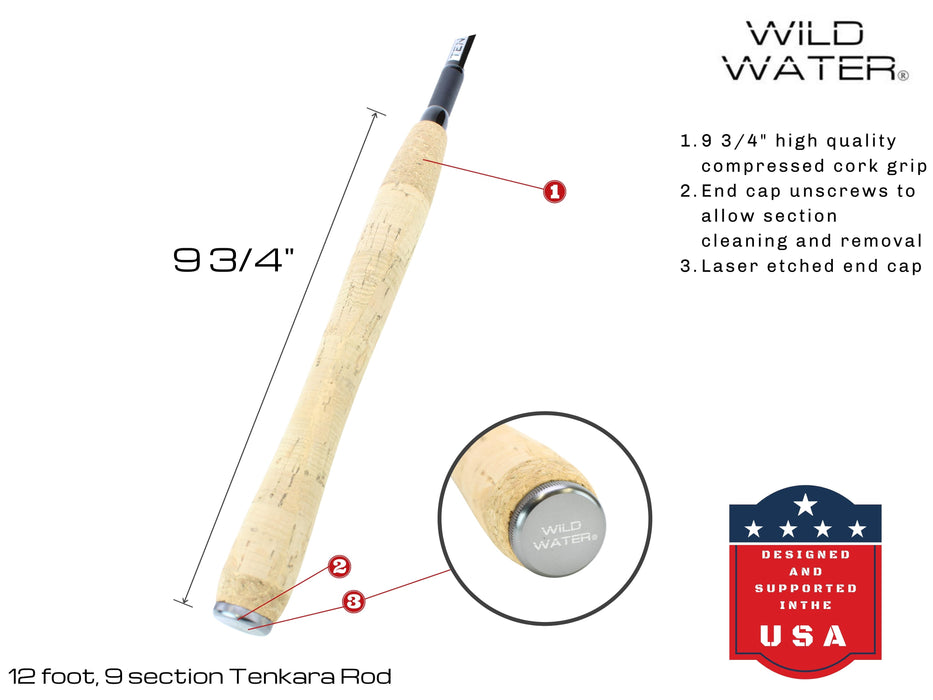
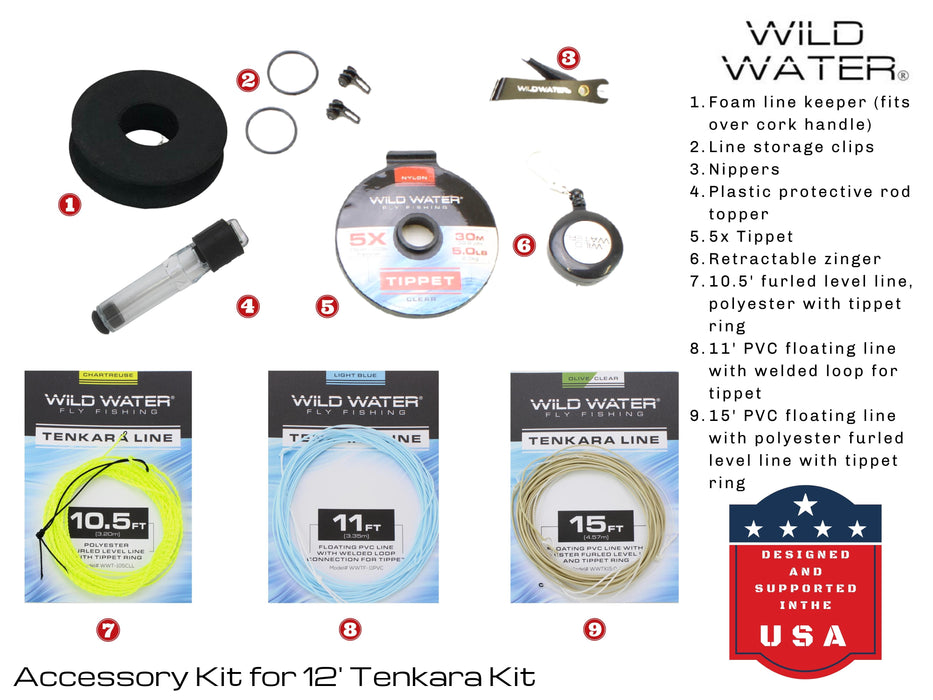
In tight or brushy areas (especially along parts of the Middle Provo), we highly recommend bringing these tenkara rods. With limited backcasting room, their simple, fixed-line setup lets you fish pockets and seams that are hard to reach with a standard fly rod.
The right gear won’t replace good technique, but it makes everything easier on the Provo. Read our guides on how to choose the perfect fly rod and fly line weight for best practices.
Planning Your Provo River Fly Fishing Adventure
By now, you’re ready to fish. Getting to Provo is easy. Salt Lake City International Airport is about 45 minutes from the river, and Park City is just 15-20 minutes away. You can fly in, rent a car, and be on the water within an hour of landing.
Before you cast a line, make sure you have a Utah fishing license. You can buy one online through the Utah Division of Wildlife Resources website or through our resource page. It only takes around 20 minutes and is required to fish legally.
Looking for nearby amenities? Heber City has lodging, dining, and fly shops within minutes of the river. Fishing the Lower Provo and want a more upscale stay? Sundance Resort puts you right near the river in Provo Canyon.
Read our guide to travelling with fly-fishing gear before your trip. A little planning goes a long way on the Provo.
FAQs About Provo River Fly Fishing
Is the Provo River good for beginner fly fishers?
Yes, especially the Middle Provo. It has easy wading, gentle meadow water, and lots of fish (3,000+ per mile). Parking spots are close to the river, so you can step out and start fishing without long hikes. The slower water is easier to read than the fast, rocky sections.
Do I need a guide to fish the Provo River?
You don’t need one, but it helps. If you prepare, you can fish independently. A local guide can save time by sharing current hatches, good access points, and quieter stretches. If it’s your first visit, a half-day guided trip is a smart way to learn the river fast.
Can you wade the entire Provo River?
Mostly, yes. However, it depends on the section. Here:
-
Middle Provo: Almost all wadeable with a gravel bottom. Felt or studded boots work.
-
Lower Provo: Some deep holes. Use caution or fish from the bank.
-
Upper Provo: Wadeable, but access is less developed, and the river changes more.
What size tippet should I use on the Provo River?
Use 5X or 6X. The water is clear, and fish can easily see the heavy line. Fluorocarbon helps in clear, slow pools where trout have time to inspect your fly. Most anglers fish 6X here.
Are there special regulations on the Provo River?
Yes. Some sections allow artificial flies and lures only and have slot limits to protect certain fish sizes. Rules can change, though, so check the Utah fishing guidebook before you go. Always read posted signs near parking areas, especially around dams.