Topwater bass fishing means presenting flies or baits designed to float on or just below the water's surface to trigger reaction strikes.
Bass are naturally looking up for forage and are aggressive feeders that actively hunt prey at the surface, especially in shallow water. In fact, there's nothing quite like watching a largemouth bass blast through the surface to crush your fly. That explosive strike is burned into your memory the first time it happens.
This guide covers everything you need to know: the types of topwater baits that work, when to fish them, how to work different retrieves, and the right gear setup to put more bass in your net.
Key Takeaways
| Factor | Recommendation |
|---|---|
| Best Water Temp | 55 to 75°F (anytime the water exceeds 60 degrees is productive) |
| Prime Times | Early morning (sunrise to 9 a.m.), late evening, overcast days |
| Best Locations | Shallow flats, vegetation edges, boat docks, stumps, heavy cover |
| Top Fly Types | Poppers, deer hair frogs, divers, gurgler flies |
Types of Topwater Flies for Bass
The main types of topwater flies for bass include poppers, deer hair bass bugs, deer hair frogs and divers, and gurgler style flies. Different topwater baits create different kinds of surface action. Some pop and spit water. Others push a wake across the surface like a swimming frog.
Let's take a deeper look on how each fly differs from one another.
Poppers

A popper is a fly with a cupped or concave face that pushes water when you strip line. That "pop" sound and spray of water gets bass to notice your fly from a distance.
Foam poppers are durable and float high all day. Cork poppers give you that traditional popping action if you prefer the classic feel. Both styles work well in sizes 2 to 6 for largemouth.
Check out our bass poppers collection and foam flies for proven patterns.
Deer Hair Bass Bugs

These are the classic topwater flies that have been catching bass for over a century. Deer hair bass bugs push water and create commotion as you strip them across the surface.
The spun deer hair body creates a hollow profile that bass absolutely crush. Both largemouth and smallmouth hit these aggressively.
Browse our deer hair flies to find the right patterns for your water.
Deer Hair Frogs and Divers

Frog patterns are weedless topwater flies designed for heavy cover. You can cast them right into the thickest lily pads and matted grass where big bass hide.
Divers work differently. They dive below the surface on the strip, then float back up, mimicking a wounded baitfish struggling at the top. Both trigger strikes from bass holding in cover that other baits can't reach.
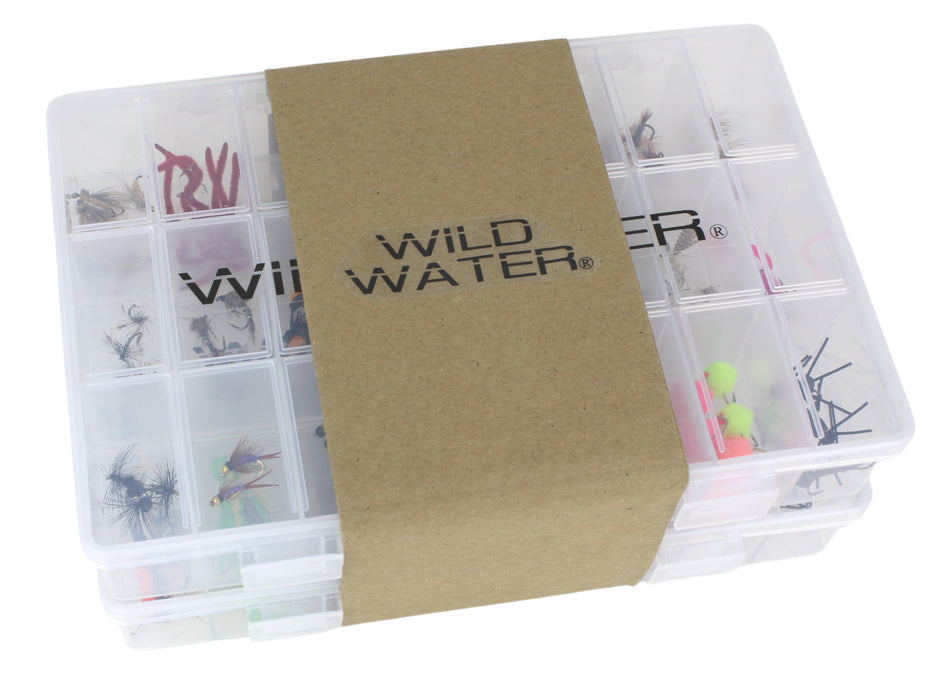
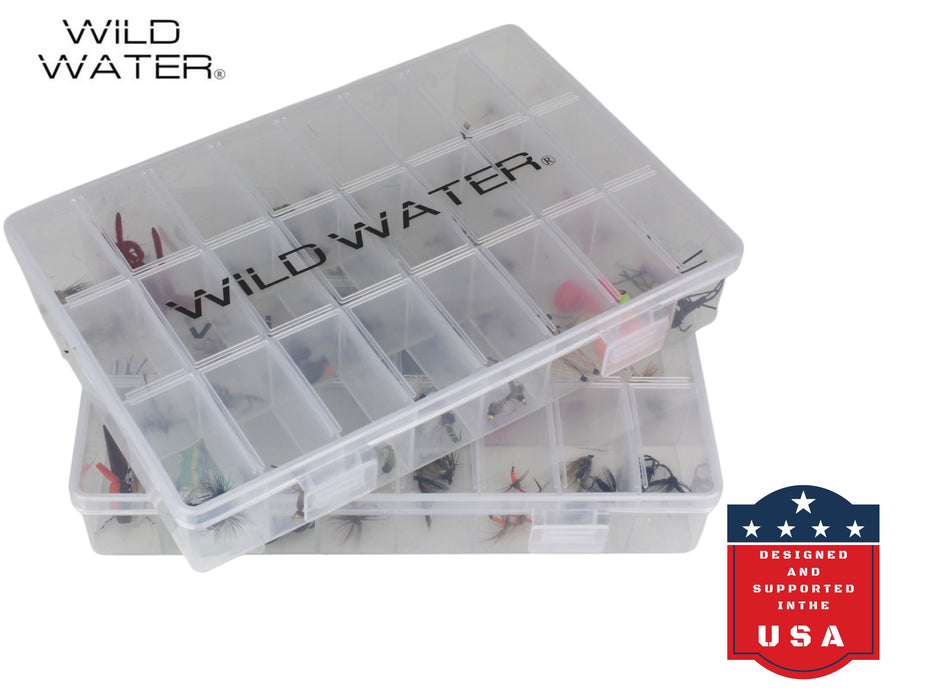
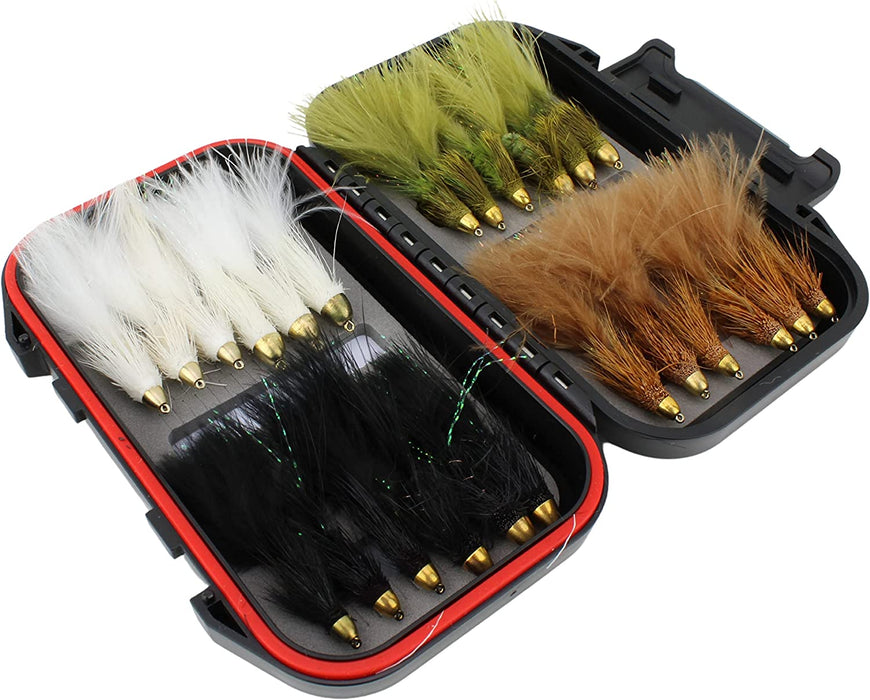
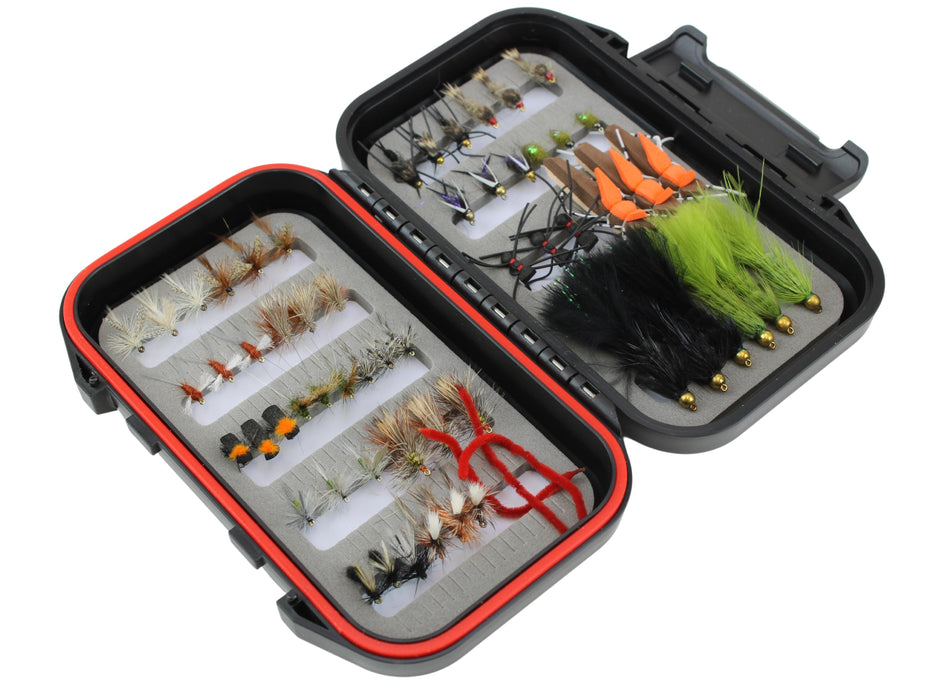
Our Bass Pike Top Water Deer Hair Fly Assortment includes both frogs and divers. You can also explore the full bass and pike fly assortment or browse all fly assortments.
Gurgler Style Flies
Gurgler flies create a wake and bubble trail similar to a buzzbait. The foam lip at the front catches water and makes noise that bass can locate even in low light conditions.
The design excels in open water where you need to attract fish from a distance. That constant surface disturbance pulls bass up from deeper water.
For more on choosing the right flies, read our guide on best bass flies or browse the bass flies collection.

Best Conditions to Fish Topwaters for Bass
The best conditions for topwater bass fishing depend on water temperature, time of day and location, and water clarity. Knowing when topwater baits work best separates productive anglers from frustrated ones.
Water Temperature Windows
Bass begin hitting topwater flies when water temperature reaches about 55°F. You might get a few strikes below that, but things really pick up once you hit that threshold.
The prime topwater window runs from 60 to 75°F. That's when bass metabolism peaks and they actively feed in the shallows.
Above 80°F, focus your topwater efforts on early morning and late evening when surface temps cool down. Below 55°F, topwaters become much less productive as bass move deeper and slow down.
When and Where to Fish Topwaters

Early morning from sunrise to about 9 a.m. is consistently the most productive window for topwater fishing. Bass move shallow to feed under low light, and the surface is calm enough for them to track your fly easily.
Late evening in the final two hours of light brings another feeding push. Overcast days extend the topwater bite throughout the day since bass feel more comfortable roaming shallow even at midday.
Night fishing with topwaters can be extremely productive during summer months. Use dark colored flies that bass can silhouette against the moonlit sky.
Target these high percentage spots: shallow flats near deep water access, vegetation edges, boat docks, stumps, and anywhere bass can ambush prey with overhead cover. Reservoir points and humps produce well when bass school on shad during fall.
Learn more about locating bass in our guide to reading water and finding fish.
Water Clarity and Topwater Selection
In clear water, use natural colors like white, chrome, or perch patterns. Fish quietly and let the fly sit longer between strips. Bass in clear water can see your bait from five feet or more below the surface, so subtle presentations work best.
Stained water calls for louder baits with more aggressive popping action and brighter colors like chartreuse or orange.
Muddy water requires the loudest topwater action you can get. Think buzzbaits and prop flies that create maximum disturbance.
Gear Setup for Topwater Bass Fly Fishing
The essential gear for topwater bass fly fishing includes a rod and floating line in the right weight, plus the correct leader and tippet setup.
Selecting the right rod and line combination is your first decision.
Rod and Line Selection
Use a 7 or 8 weight rod for largemouth bass and most topwater flies. That rod weight handles the air resistance of bulky deer hair bugs without wearing you out.
For fishing around heavy cover or targeting bigger bass and pike, bump up to a 9 or 10 weight. Weight forward floating line is essential for keeping topwater baits on the surface where they belong.
A rod with medium fast action helps turn over wind resistant deer hair flies on longer casts. Spool your reel with braid backing to give you capacity for those long runs when a big bass decides to head for the nearest brush pile.
The 7/8 weight fly fishing kit is a great starting point for bass anglers. For help selecting the right rod, read how to choose the perfect fly rod.
You can also browse our floating fly lines and learn proper technique in our guide to casting with a fly rod.
Leader and Tippet
Use 0X to 2X leader (that's roughly 8 to 12 pound test) for most topwater bass applications. Shorter leaders around 7.5 feet turn over bulky flies better than longer setups. You don't need delicate presentations here.
If pike are around (and they love topwaters too), switch to wire tippet or heavy fluorocarbon to prevent bite offs.
Keep your hooks razor sharp. Bass have hard mouths, and dull points mean missed fish. Check your hooks after every few casts and touch them up with a file when needed.
Browse our full selection of leaders to find the right setup for your fishing.
Retrieve Techniques to Catch More Bass
The main retrieve techniques for topwater bass flies are the pop and pause method, walk the dog action, and the steady strip retrieve. How you work the fly matters just as much as which fly you choose. Learning different retrieves lets you match bass mood and trigger more strikes throughout the day.

The Pop Pause Method
This is the bread and butter retrieve for poppers and deer hair bugs. Strip sharply to make the fly pop, then pause for 2 to 5 seconds before the next strip.
Count out your pause and experiment with longer waits in cold or clear water. Many bass hit during that pause when the fly sits motionless and vulnerable.
Pay attention to how bass respond. If they're aggressive and slashing at the fly, you can shorten your pauses. If fish are swirling but not committing, try longer waits.
Walk the Dog Action
This retrieve works with divers and sliders to create that side to side swimming action you see with lures like the Zara Spook. The rhythm is strip, strip, pause. That cadence walks the fly across the surface in a zig zag pattern that drives bass crazy.
It takes some practice to get the timing right. Keep your rod tip low and pointed at the fly for the best action.
Steady Strip Retrieve
Sometimes bass want a fly that moves consistently without stops and starts. The steady strip works well for gurgler flies and when you need to cover water quickly to locate active fish.
Strip back with a hand over hand motion, no pauses. This retrieve mimics a baitfish fleeing across the surface, which triggers chase instincts in aggressive bass.
Speed up or slow down based on how the fish respond. If they're missing the fly, slow down. If they're not committing, speed up.
Setting the Hook on Topwater Strikes
Here's where most anglers mess up. They see that explosive strike and immediately yank the rod back. That almost always pulls the fly right out of the bass's mouth.
The biggest mistake is setting the hook too quickly on the visual strike. Wait until you feel the weight of the fish, then strip set with your line hand. Never lift the rod to set the hook on a topwater fly. Pull line with your stripping hand instead.
Good news though. Many bass will hit topwater baits multiple times if you miss that first strike. Keep your follow up cast ready for bass that swirl but miss the fly. Don't pick up and cast to another spot. Give that same fish another chance.
Seasonal Topwater Patterns
The two most productive seasonal windows for topwater bass fishing are the post spawn period from May to June and the fall feed up period.
The post spawn period offers some of the biggest bass of the year on surface flies.
Post Spawn (May to June)
Female bass recovering from the spawn are looking for easy meals near spawning flats. They've just expended massive energy creating and guarding eggs. Now they want to eat.
This is one of the best times of the year to catch big bass on topwater flies. Fish smaller poppers and frog patterns around shallow vegetation.
Target secondary points where bass stage before moving to their summer locations. Don't overlook transition areas between spawning bays and the main lake.
Fall Feed Up Period
Bass follow baitfish migrations into creeks and pockets during fall. They're putting on weight before winter, and that means aggressive feeding behavior that makes topwater baits extremely productive.
Match your fly size to the forage bass are chasing. In fall, that often means smaller flies to imitate young of year shad.
Fish topwaters all day when conditions are overcast. The bite can stay hot from morning through afternoon on those gray fall days.
Getting Started with Topwater Bass Fly Fishing
Topwater bass fishing is one of the best ways to introduce new anglers to fly fishing. That visual strike creates instant excitement that hooks beginners for life.
A handful of poppers and deer hair flies is all you need. The gear setup we covered earlier handles everything from pond bass to reservoir giants.
Wild Water's bass fly fishing kits include everything you need to get on the water. For a broader look at what's available, check out our guide to the best fly fishing starter kits.

Practice casting in your yard before you hit the water. Those bulky flies take some getting used to. Our guide on how to set up a fly fishing outfit walks you through everything step by step.
If you want to build confidence first, start on a local pond throwing smaller panfish poppers. The technique transfers directly to bass fishing, and you'll get plenty of action to keep things fun while you learn.
FAQs About Topwater Bass Fishing
What pound test line should I use for topwater bass flies?
Use 8 to 12 pound test (0X to 2X tippet) for most situations. When fishing heavy cover where bass will try to bury into vegetation, bump up to 15 or 20 pound test. You need the strength to pull fish out of trouble.
Do topwater flies work for smallmouth bass?
Absolutely. Smallmouth are aggressive topwater feeders, especially around rocky points and current breaks. Smaller poppers and minnow imitating flies often outproduce larger bass bugs for smallmouth. They seem to prefer a more compact meal.
How far should I cast topwater flies?
Long casts of 40 to 60 feet help you stay back and avoid spooking bass in shallow water. That said, accuracy matters more than distance when fishing around structure like stumps and docks. A precise 30 foot cast beats a sloppy 60 footer every time.