Most anglers skip Texas and head straight to Colorado or Montana. If that’s you, you’re missing out. Texas has over 80,000 miles of fishable water across three major fly-fishing regions. You can wade clear Hill Country rivers for Guadalupe bass, sight-cast to redfish on the Texas Gulf Coast, or fish East Texas lakes full of largemouth bass.
We’ve done the research for you to identify where to fish, when to go, and what gear works best in Texas conditions. Our goal is to help you plan trips that pay off and spend more time catching fish. Let’s go through the details.
Key Takeaways
-
Texas offers three fly-fishing regions: the Hill Country (spring-fed), the Gulf Coast (saltwater flats), and East Texas (reservoirs and river systems).
-
The Guadalupe River provides the southernmost trout fishery in the country, with rainbow trout stocked from late November through early March.
-
Match your rod to the water: 5-6 weight for Hill Country rivers, 7-8 weight for lakes and larger bass, and 8-9 weight for saltwater.
-
Spring and fall produce the best fishing across both freshwater and saltwater, though Texas's mild climate keeps some action going every month.
This table breaks down Texas fly fishing at a glance.
|
Region |
Best For |
Peak Season |
Difficulty |
|
Hill Country |
Guadalupe bass, rainbow trout |
Year round |
Beginner-friendly |
|
Gulf Coast |
Redfish, speckled trout, tarpon |
Spring and fall |
Intermediate |
|
East Texas |
Largemouth, panfish, carp |
Spring, early March through May |
Beginner-friendly |
Why Texas Is an Underrated Fly Fishing Destination
Texas is often underrated because many don’t know what it really offers. If you value a variety of species, legal public access, and year-round fishing, add Texas to your fly-fishing radar.
Texas’ mild winters mean you’re rarely locked out by ice. You can chase stocked trout on the Guadalupe in winter, then pivot to bass, carp, and sunfish once the water warms. That means no long fishing offseason. You can trout-nymph one weekend and stalk redfish the next.
Above all, Texas is more affordable than other states. Expect that you don’t need expensive permits or mandatory guides, but rather plenty of drive-to water. You can even build your fly fishing skills without burning cash on flights and lodging, all while bringing your family. Many rivers are shallow and easy to wade. Plus, state parks provide parking, restrooms, and safe entry points, so you don’t need long hikes (which is honestly where it gets tiring).
Texas Fly Fishing Regions Overview
Texas fly fishing breaks down into 3 main regions: the Gulf Coast, East Texas, and Hill Country. Pick the right region for the season, and you’ll save wasted trips. Here’s what to expect:
Start in the Hill Country if you want easy wading and year-round fishing for bass, sunfish, and stocked trout in winter. It’s ideal for beginner anglers who want consistent action without worrying much about weather or water levels.
Choose East Texas during warmer months when bass move shallow. Expect topwater bites early and late in the day. Note that Alligators are common in East Texas waters (bayous and lakes). While attacks are rare, they do happen, usually when anglers get too close or fish near nests during breeding season (May-June).
For visual sight fishing, head to the Gulf Coast. Trust us, shallow flats and bays offer sight-fishing for redfish. However, wind and tides can also control your success. Make sure you check the weather conditions before you go, so you’re ready for technical casting.
Best Fly Fishing Rivers in the Texas Hill Country
The Guadalupe, Blanco, and Llano Rivers are the best fly-fishing rivers in the Texas Hill Country. Each offers a different fishing style, so choosing the right river depends on what kind of trip you want. Let’s discuss each.

Guadalupe River
The Guadalupe River is a well-known fly fishing river in Texas. Plan your trips from late November through early March when rainbow trout are stocked. Cold water released from Canyon Lake keeps the river cool for trout to survive and grow (fish can reach 14-18 inches).
Keep in mind that water levels fluctuate with dam releases, which affects everything from safety to how fish hold. Always check the flows before you go. During trout season, places like New Braunfels and Gruene fill up fast, so book lodging early if you’re staying overnight.
If fishing feels slow, don’t assume the river is empty. Change depth before changing spots. You can also add weight, adjust your indicator, or slow your drift. For the best strategies, check out our guide on how to fly fish for trout.
Blanco River
Roughly 87 miles of spring-fed water run through the Blanco River near Wimberley. If the Guadalupe feels crowded or chaotic, the Blanco is your reset button.
This river fishes more quietly (fewer tubers, kayaks, and less noise). You’ll find Guadalupe bass, Rio Grande cichlids, largemouth bass, and sunfish cruising clear pools and slower runs. It’s a place where you can slow down and watch fish move before you cast.
For flies, keep it simple. Small streamers, poppers, and bass bugs all work well here. Browse our best bass flies for patterns that consistently produce in Hill Country rivers.

Llano River
The Llano River is the most remote fly fishing option in the Texas Hill Country. If you want space, solitude, and water that still feels wild, this is it.
Compared to the Guadalupe corridor, the Llano sees far less fishing pressure. You’ll drive past long stretches of ranch land to reach the water, but that quiet is the payoff. Once you’re there, it feels like Texas before the crowds arrived.
Additional Hill Country Rivers Worth Exploring
Some Hill Country rivers don’t look like much at first. We’ve driven past them many times on the way to “better” water. More than once, turning around is worth it.
The Lampasas River sees very little fishing pressure. Most anglers skip it, which keeps the fish less cautious. We’ve had days here where simple flies and short drifts outperformed bigger, more popular rivers.
Our tip is to focus on deeper pools below ledges and waterfalls. Let your fly sink fully before moving it. If nothing happens after 5+ casts, adjust depth before switching flies.
Note: If access runs through private land, ask permission. Explain you’re fly fishing and practicing catch-and-release, then leave the area clean. We’ve had good luck using this for years now.
Best Lakes for Fly Fishing in Texas
Most Texas lakes, such as Lake Texoma, fish best using a boat or when you can reach deeper water. Unlike rivers, you need to search for fish instead of waiting for them drift food past you.

Consider these Texas lakes to target species like striped bass and hybrid stripers:
Canyon Lake
Canyon Lake is an 8,500-acre reservoir formed by damming the Guadalupe River. It’s often called the “Jewel of the Texas Hill Country,” and even slow fishing days feel worthwhile because of its scenery.
This lake is known for striped bass that can reach 30 pounds or more. Largemouth bass, white bass, and carp give you backup options when stripers aren’t working. Once you understand where baitfish move and how predators follow them, lake fishing starts to click.
Learn about fishing with streamers and nymphs for techniques that work on reservoirs.
Lake Texoma
Lake Texoma is a large border lake on the Texas–Oklahoma line and one of the top destinations in the state for striped bass. One thing catches visiting anglers every year: you need a valid Texas or Oklahoma fishing license. Check this before you go, or your trip can end early.
Striper limits are generous as well. You can keep up to 10 fish per day, with a 20-fish catch limit for striped bass and hybrids. That makes Texoma one of the best places in the state for fishers who want both action and the option to keep fish.
Here’s what to do: Watch for birds, splashing bait, or breaking fish. Cast ahead of the school and strip fast. Don’t overthink it. Cover water and keep moving.
Additional Texas Lakes
If you want solid bass fishing close to the city, Lake Conroe (just north of Houston), gives you 22,000 acres of largemouth bass water without a long drive. Fish early in the morning and focus on shorelines, docks, and shallow cover before boat traffic picks up.
You can also try Lake Anahuac, east of Houston. It has brackish water, which means you’ll see both freshwater and saltwater species in the same system. That mix creates fishing opportunities you won’t find on most Texas lakes.
Saltwater Fly Fishing on the Texas Gulf Coast
For Texas Gulf Coast fly fishing, you need to look for moving wakes and bronze tails. Spot the fish, lead them, and strip when they eat. Let’s find out what makes saltwater fishing in this region more exciting.
Laguna Madre
The Laguna Madre is a long, shallow lagoon that runs approximately 130 miles total, but it's divided into Upper and Lower sections separated by land. This is Texas’s top redfish destination, and it’s perfect for sight fishing.
The water here is very salty (saltier than the Gulf), which keeps it clear. On calm days, you can see the bottom in 10 feet of water or more. That visibility makes it easy to spot wakes, tails, and cruising fish. Once you know what to look for, the flats feel simple rather than overwhelming.
Redfish are your main target, but you can also run into speckled trout, black drum, flounder, and tarpon in warmer months. In summer, jack crevalle show up and hit hard.
If it’s your first trip, we recommend hiring a guide. You’ll learn where fish actually hold, how to move across the flats, and how to deal with wind. One guided day can save you multiple unproductive trips (we learned this the hard way).
For flies and gear, keep it simple. Browse our saltwater flies collection (plus fly assortments) or check out our saltwater fly fishing kit for complete setups that work on the flats.

Rockport to Port O'Connor
If you want saltwater fly fishing without a long drive, this stretch of coast is hard to beat. The area from Rockport to Port O'Connor sits about 2-3 hours from Houston, San Antonio, and Austin.
That easy access means you can fish for a full day. Focus on flats next to marsh drains and grass edges. Then, look for moving water and bait. If you don’t see life, move on.
For anglers based near Houston, Galveston Bay is another option. You can fish well here, but water clarity drops quickly after storms. If you end up at a waterfront restaurant, order the redfish or trout; they’re usually as fresh as it gets.
Seasonal Month-by-Month Texas Fly Fishing Calendar
Texas lets you fly fish all year. Unlike northern states, where rivers freeze and seasons shut down, something is always in play here.
That doesn’t mean every fish bites the same every month, though. It means you need to adjust your targets and fishing areas as the year progresses. Once you understand that, planning trips gets much easier.
Here’s your quick fishing guide:
|
Season |
Freshwater Focus |
Saltwater Focus |
|
Winter (Dec-Feb) |
Rainbow trout on the Guadalupe River |
Redfish, black drum |
|
Spring (Mar-May) |
Bass spawn, white bass runs |
Redfish, speckled trout frenzy |
|
Summer (Jun-Aug) |
Early morning bass, striper fishing |
Tarpon, jack crevalle |
|
Fall (Sep-Nov) |
Pre-winter bass feeding, trout stocking begins |
Redfish, flounder |
Guide on how to use this calendar:
Don’t chase everything at once. Pick 1-2 species each month and plan around them. You’ll catch more fish and waste less time guessing.
Note that Texas rewards anglers who fish seasonally, not randomly. Match the month to the right water, and you’ll always have a reason to get out and fish.
Gear Setup for Texas Fly Fishing
Texas fishing asks more from your gear than colder, single-species states. Heat, wind, and a wide mix of fish mean you need setups that can handle different conditions.
Here are the must-have options to avoid buying the wrong gear:
Rod and Reel Recommendations by Water Type
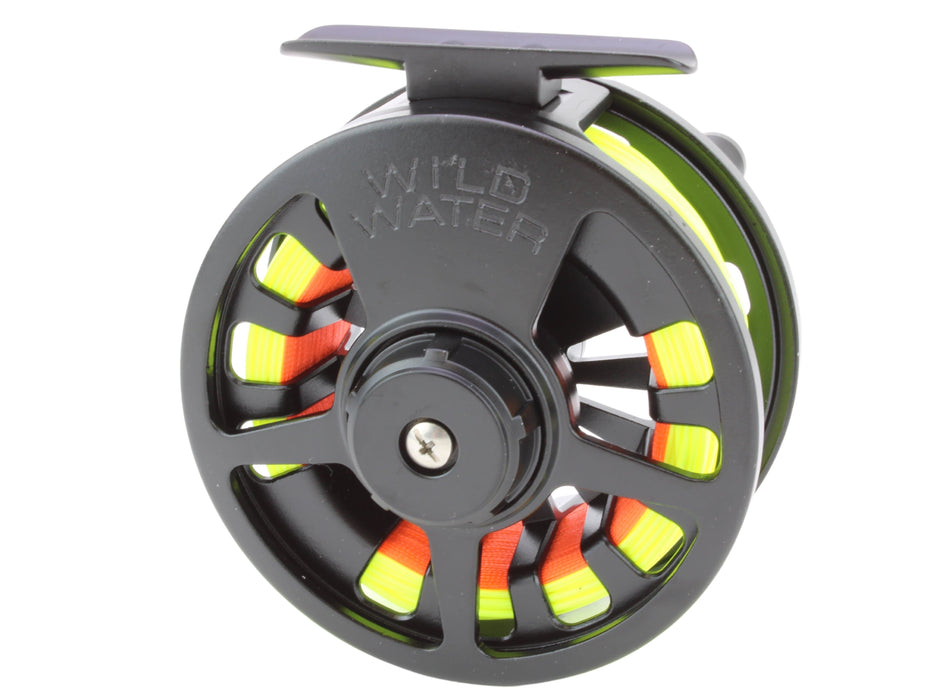
For Hill Country bass and trout, a 5-weight or 6-weight fishing kit covers most river situations. These medium weights handle everything from 10-inch Guadalupe bass to 18-inch rainbow trout without overpowering your tackle.
Once you move to bigger water, you’ll want more muscle. Take this 7-weight or 8-weight rod for larger bass, carp, and lake fishing. You need more backbone to pull fish out of cover.
Intermediate sinking lines also work well in saltwater when fish hold deeper or when you need to get flies down quickly. Here's what matters more than rod weight: distance control. Practice short-game casting since most redfish shots come within 20-30 feet.
For a full breakdown of gear and clothing, read our checklist of what to bring when fly fishing.
Essential Flies for Texas Waters
Here’s the truth: Texas fish usually aren’t picky. You don’t need perfect flies or exact matches to catch fish here. You need flies that move well, get noticed, and hold up after a few fish.
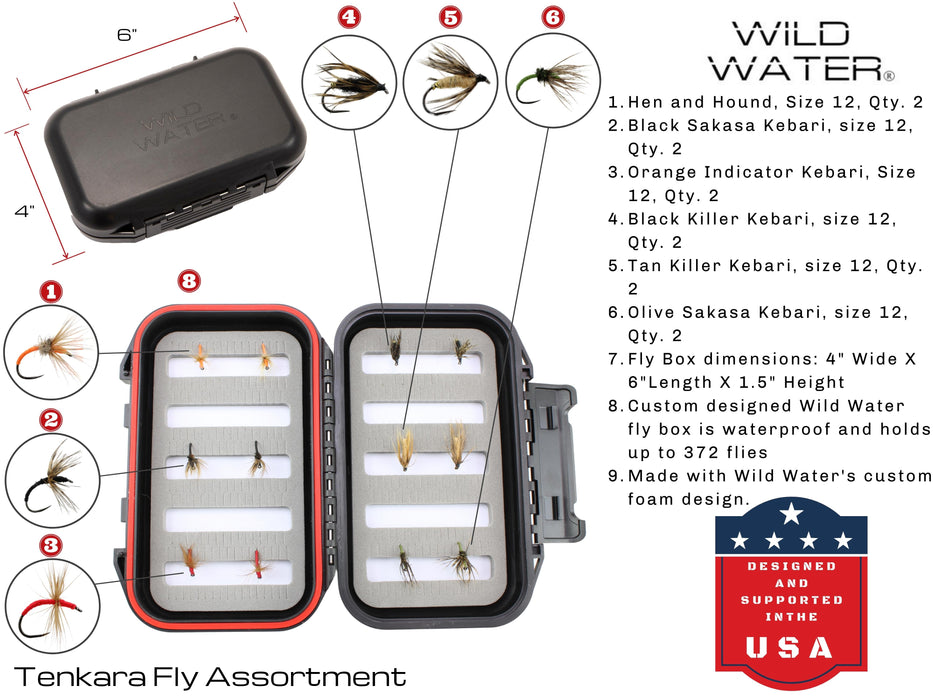
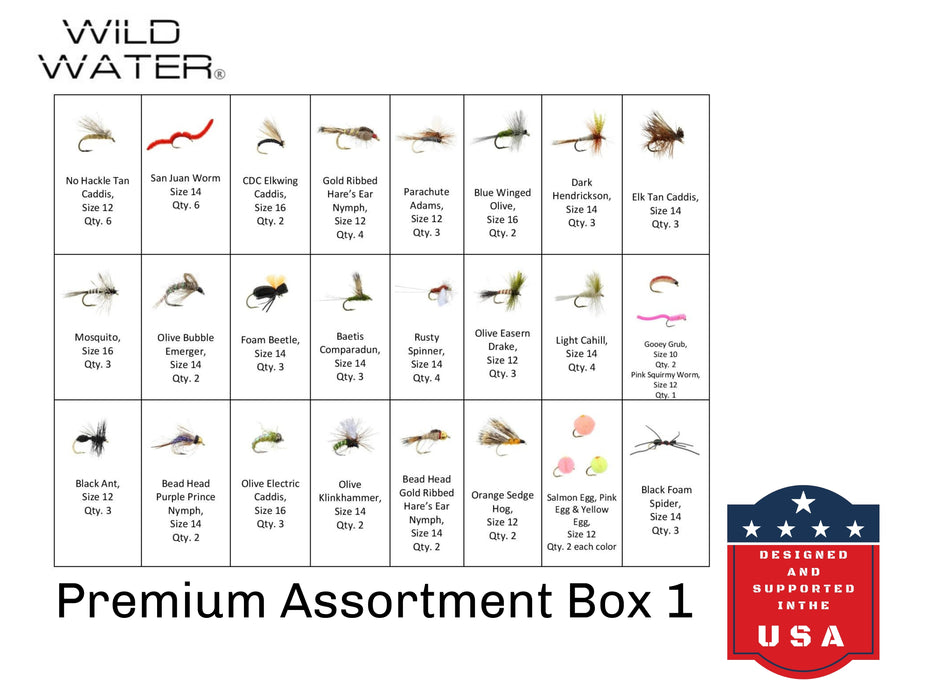
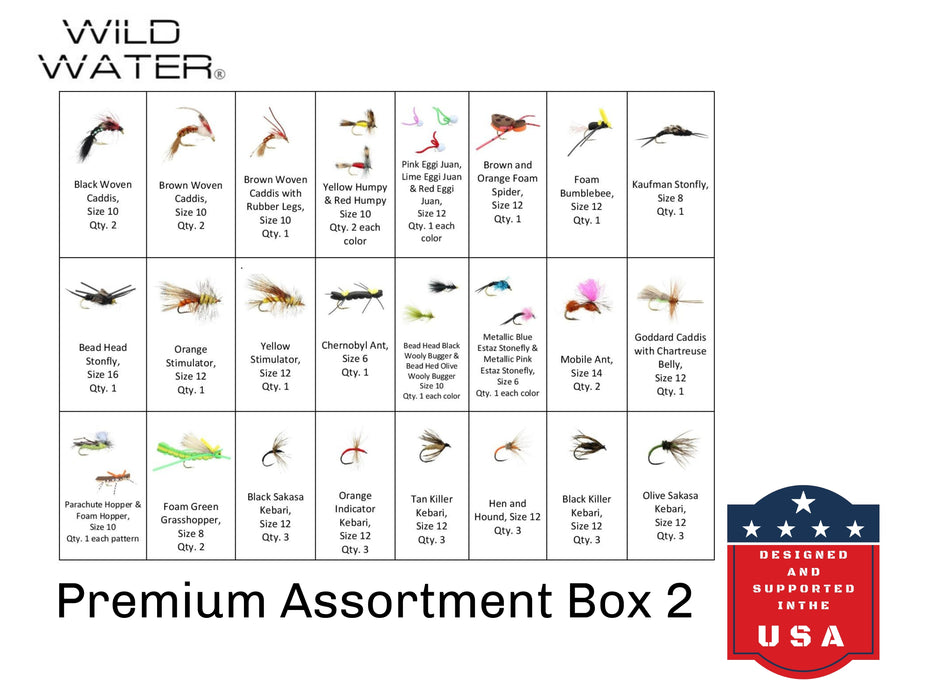
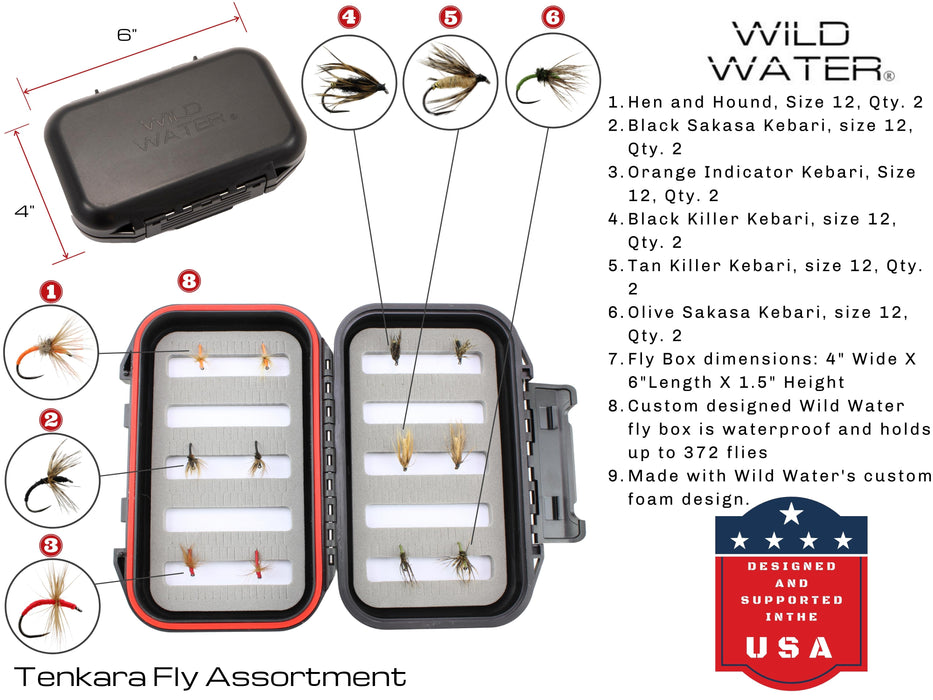
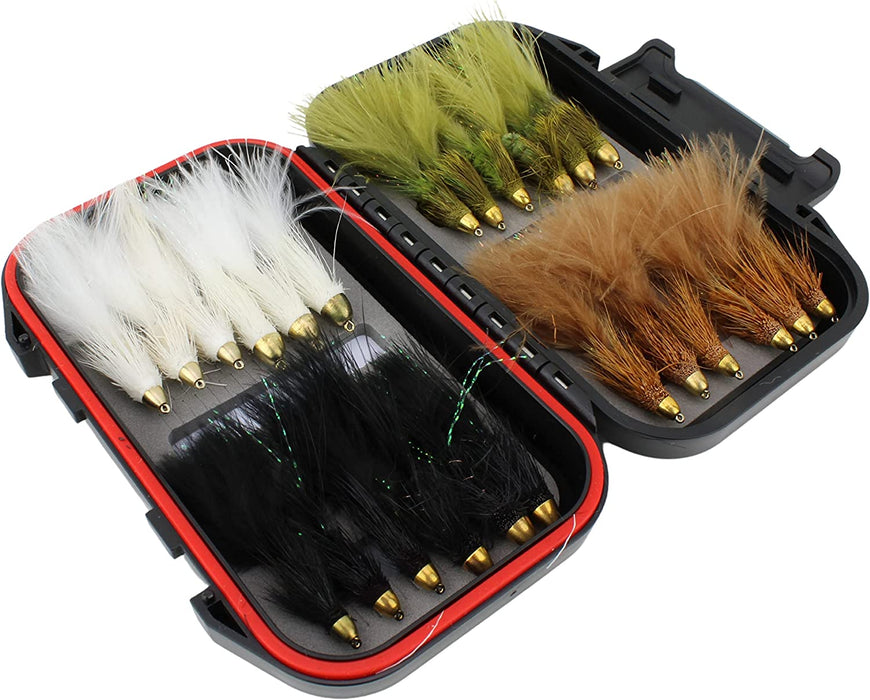
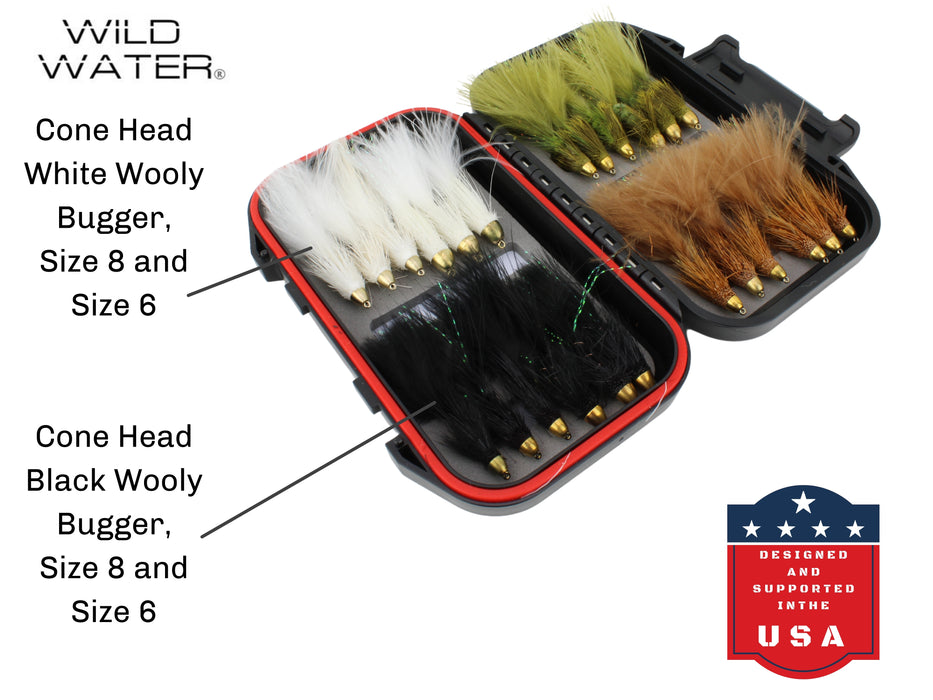
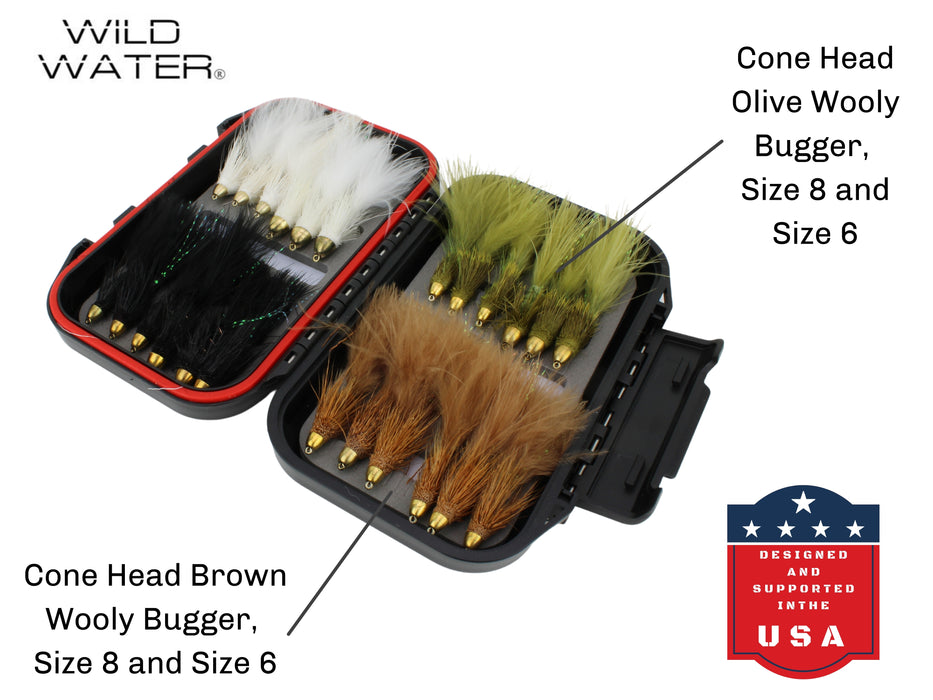
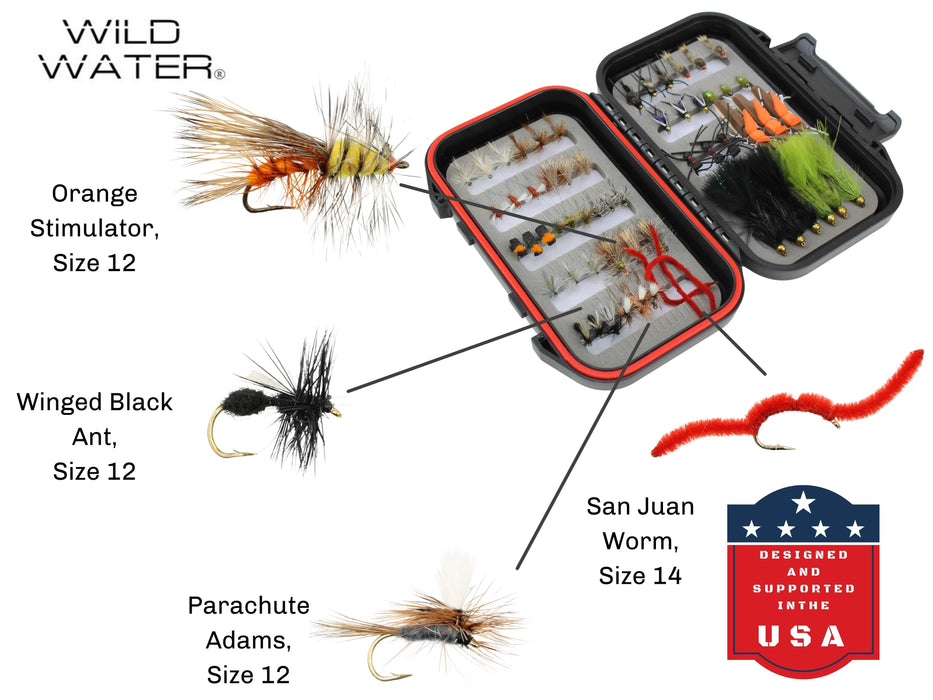
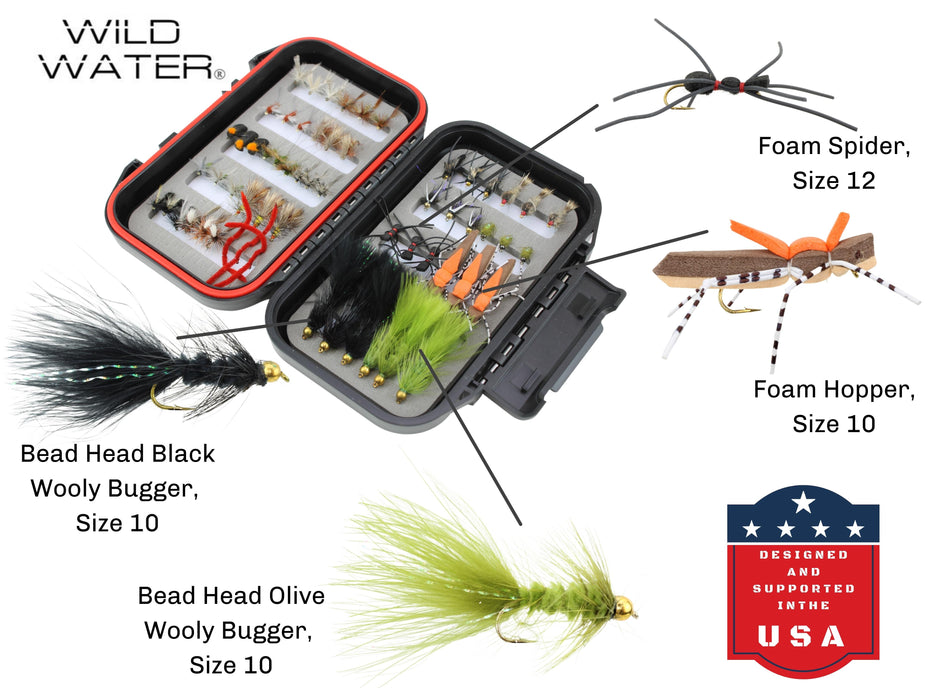
For Hill Country bass, pack Wooly Buggers in olive and black to catch fish throughout the area. Clouser Minnows work when fish are chasing bait. Switch to foam poppers as they work best when fish feed on the surface. Also, San Juan Worms are hard to beat after rain or when the water is slightly off-color.

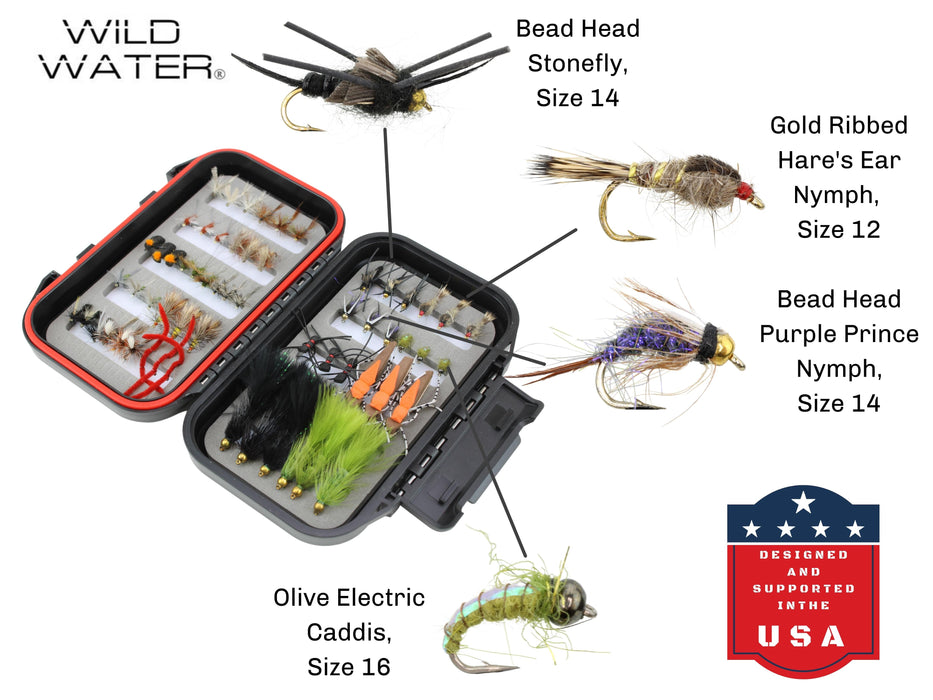
For winter trout fishing, smaller flies matter. We suggest adding these egg patterns, Hare's Ear Nymph, and small streamers in sizes 14 to 18 to cover most fishing situations.
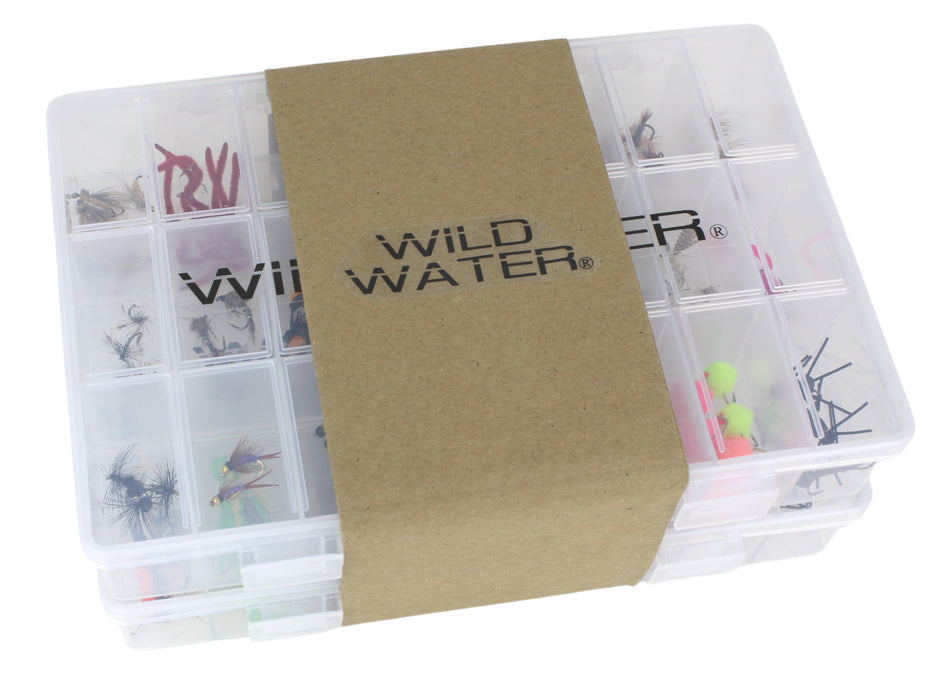
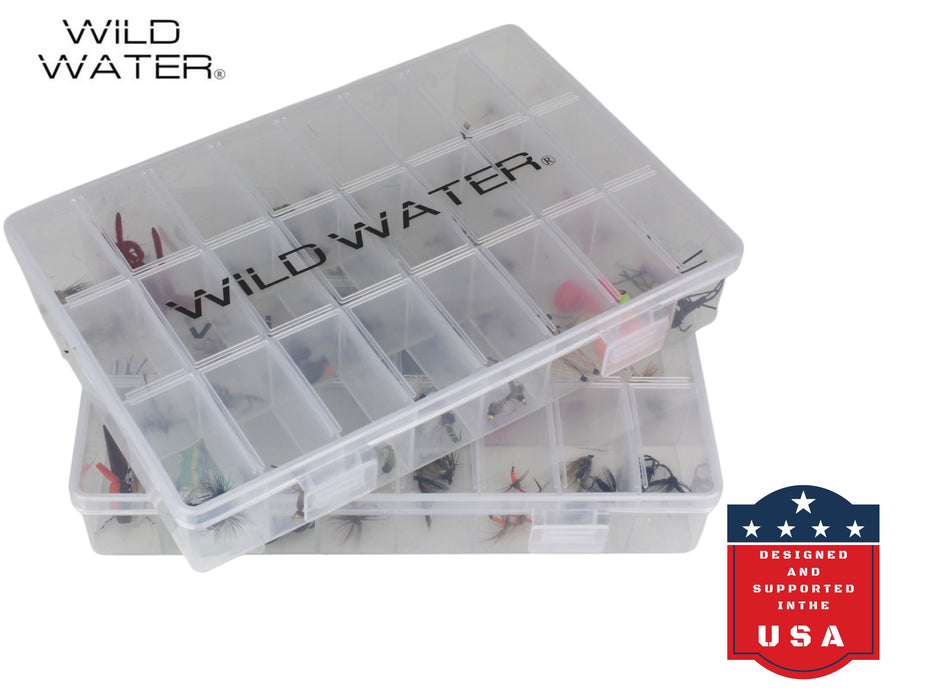
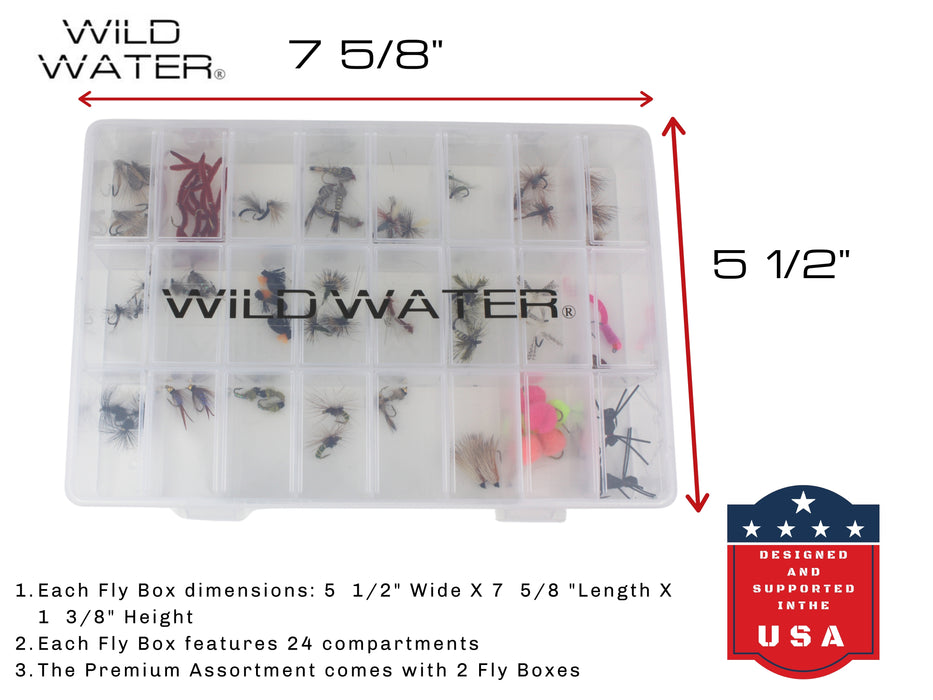
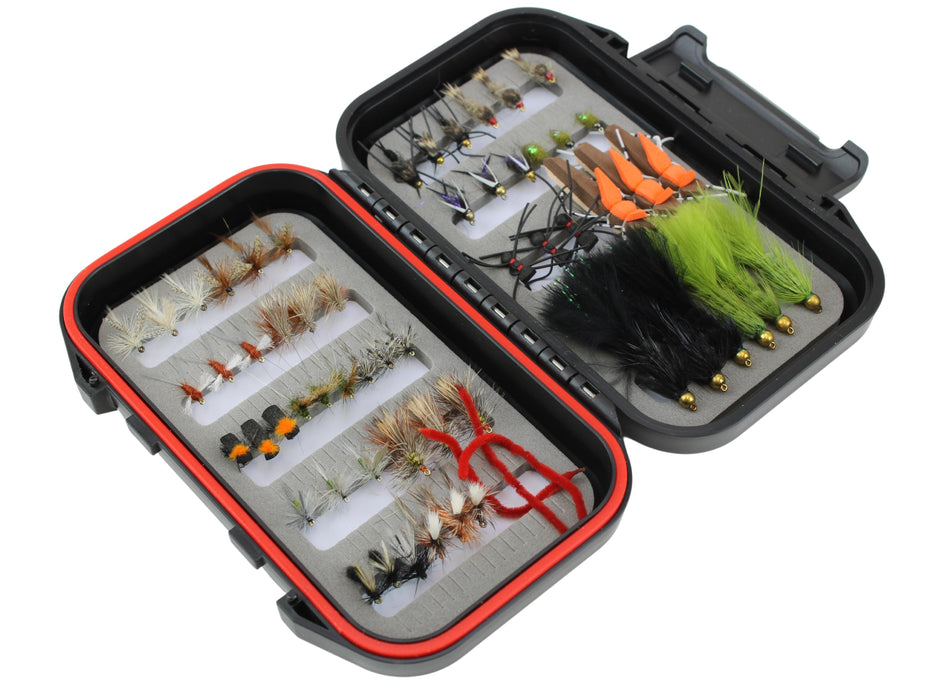
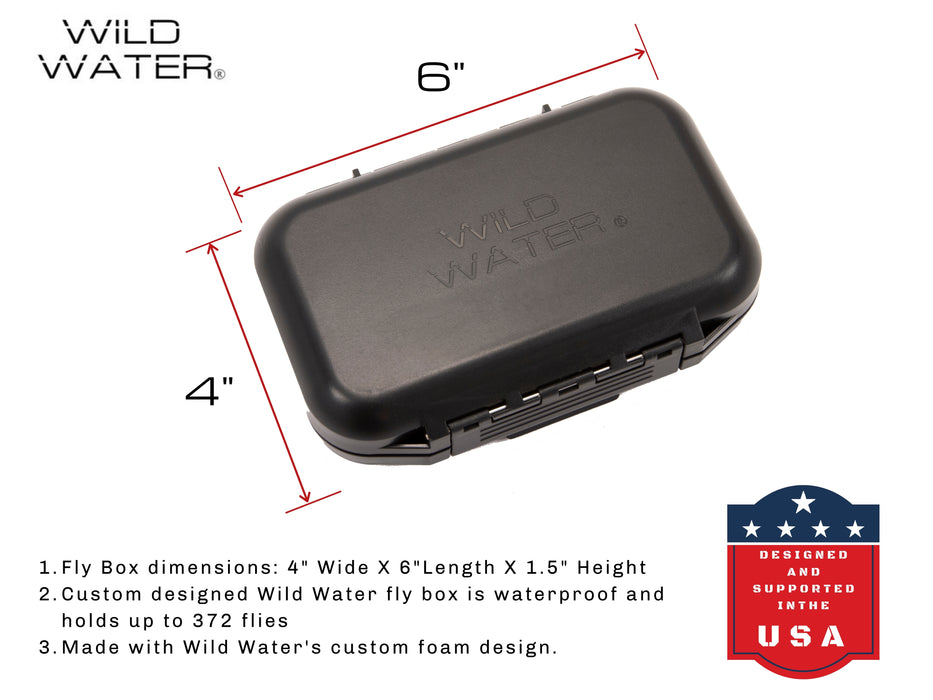
We've caught more Texas bass on beat-up Wooly Buggers than perfect flies that sit in the box looking pretty. For beginners who don't want to buy flies individually, our Wild Water’s Mega Fly Assortment provides 120 proven patterns in a box.
Handling Texas Heat and Conditions
Texas heat is no joke, and it changes how you fish. Summer trips work best early. Fish feed more, and the air is still manageable before the day turns challenging.
After mid-morning, temperatures often climb above 95 degrees, and humidity is high. At that point, fishing gets harder, and mistakes happen faster.
Here’s what to do: Start at sunrise and plan to be off the water by around 10 AM. Drink water often, even if you don’t feel thirsty.
And what should you bring? Carry sun protection aside from your rod and reel. Long sleeves, a buff, and a hat keep you cooler than bare skin. Wear polarized sunglasses (with sturdy nylon frames) to help you spot fish and protect your eyes.
More importantly, check the weather before heading to the Hill Country rivers after rain. Flash floods are a serious risk in this region. Water can rise in minutes during heavy storms, and people die every year because they ignore warnings. Wind is constant on the coast, so practice casting in wind before your trip, or you'll spend the day frustrated and tangled.
Texas Fishing License and Regulations
If you’re 17 or older, you need a valid Texas fishing license to fly fish. The license you need depends on where you fish:
-
Freshwater: Rivers and lakes
-
Saltwater: Coastal and bay fishing
Resident licenses typically cost $30 for freshwater and $35 for saltwater, but prices vary each year. Winter trout fishing on the Guadalupe River requires an extra trout stamp. This stamp costs around $7 and helps fund their trout stocking program.
Looking for the steps on how to get it? Check the Texas Parks and Wildlife website for current regulations, bag limits, and the date of the free fishing day.
Rules can change, and staying up to date will save you time and money.
For an easier option, get your fishing license through our Wild Water resource page.
Family-Friendly Fly Fishing Spots in Texas
Good family spots share a few things: shallow water, easy access, restrooms, and places to take breaks when kids get tired. Texas makes fly fishing with family much easier than mountain destinations. You just need safe water, shade, and flies that actually hook fish.
We recommend Blanco State Park above all. Wading is easy, the water remains clear, and trout are sometimes stocked during the cooler months. If you want accessible banks, picnic areas, and water-related facilities, the Guadalupe River State Park is a good choice. You don’t have to hike far or commit to a long float to fish here.
If you’re going fly fishing for the first time, Texas is great for panfish. You’ll get steady action, which makes it easy to learn casting without the frustration of blank days. Even a 10-year-old can catch 20 bluegill in an afternoon, so we suggest bringing your family.
Start Your Texas Fly Fishing Adventure with Wild Water
Getting started doesn’t have to be complicated. At Wild Water, you’ll be ready to fish, and you don’t need to guess what gear and setups work together.
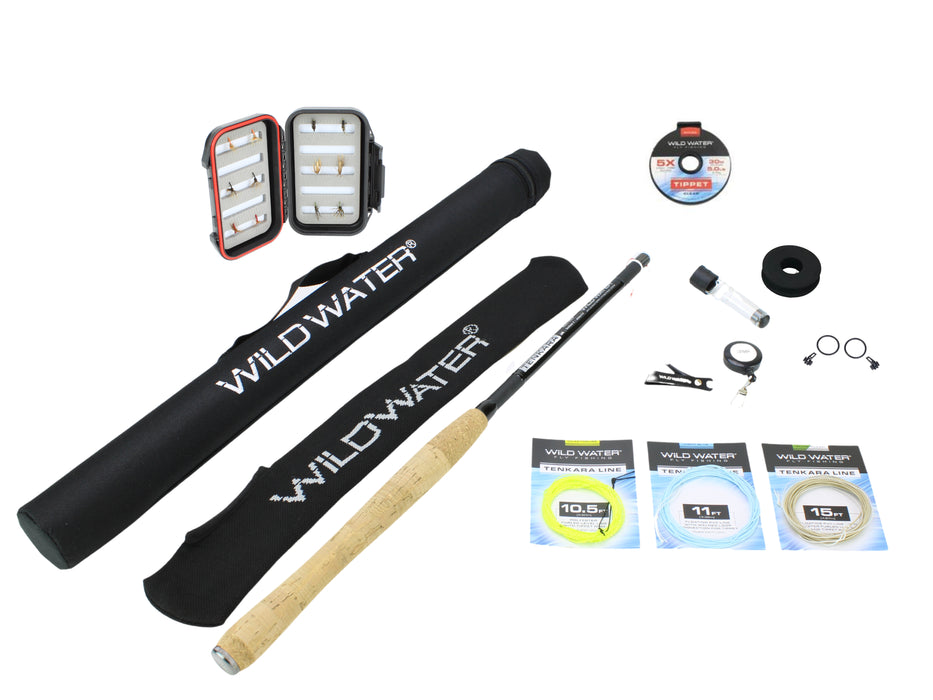
Check out our collection of quality-tested Fly Fishing Starter Kits that include a complete set of rod, reel, fly line, and carrying case. You can also explore our fly fishing assortments and visit our guides on the best fishing combo kits to help you choose and compare the right setup.
So, get out there and make your first cast. Let us know if you have any questions at 585-967-3474 or fill out our Wild Water contact form.
FAQs About Fly Fishing in Texas
Where can I find free public access for fly fishing in Texas?
Texas offers public fly fishing access through Texas Parks and Wildlife Department (TPWD) properties, including state parks, Wildlife Management Areas, and public boat ramps. Many wade-fishing options include Blanco State Park, Guadalupe River State Park, and Pedernales Falls State Park. Check TPWD's online map for specific locations near you.
What's the closest quality fly fishing to Houston?
For freshwater fishing, Lake Conroe and Lake Livingston are about an hour away and offer good bass and panfish fishing. If you’re looking for a 45-minute drive, Galveston Bay is best for saltwater fly fishing. Hill Country rivers require a 2- to 3-hour drive from Houston but offer the best trout and Guadalupe bass fishing in the state.
Do I need a boat for fly fishing in Texas?
Not for most Texas fly fishing. Hill Country rivers are made for wading. Gravel bottoms and manageable flows let you fish effectively on foot. On the coast, shallow flats near Rockport and Laguna Madre are also good for knee-deep wade fishing.
What makes the Guadalupe bass different from other bass?
Guadalupe bass are native to central Texas streams. They're smaller than largemouth (typically 1 to 2 pounds) but fight aggressively and readily eat flies. Texas Parks encourages catch-and-release to protect this unique species from hybridization with smallmouth bass, which threatens Guadalupe bass genetics.
Is the Texas coast good for fly fishing beginners?
Yes, but it’s better for intermediate anglers. Wind is constant, sight-casting takes practice, and success improves a lot with a boat. Beginners can still catch fish, but the learning curve is steeper than on rivers or ponds. You can hire a guide for at least one trip.