Louisiana earns the nickname “The Sportsman’s Paradise” because it offers two different fishing experiences in one state. We’ve watched the water ripple as a redfish moved closer. A short drive inland leads us to lakes and swamps where largemouth bass can grow to 10 pounds or more.
This guide is best for anglers who want real bites. If you’re fishing for redfish in Louisiana, throwing poppers at bass near cypress trees, or planning your first southern Louisiana fly trip, this guide tells you where to go, what to throw, and why it works here.
Let’s go through the details.
Key Takeaway
- The 10 best fly fishing destinations in Louisiana are: Venice, Calcasieu Lake, Grand Isle, Atchafalaya Basin, Lake Pontchartrain, Delacroix and Hopedale, Toledo Bend, Houma and Terrebonne Parish, Red River, and Black Bayou Lake.
- Louisiana fly fishing is split between saltwater fly fishing along the Gulf Coast and freshwater fly fishing in inland lakes and rivers.
- Prepare an 8-9 weight rod for the marsh (wind never stops down there) and a 6-7 weight for freshwater.
- Carry fly patterns that cover 90% of what Louisiana waters have, including Clouser Minnows, crab patterns, and Wooly Buggers.
- Fall is best for both saltwater and freshwater, with September-November producing the most consistent action.
Use this table to plan your fishing trip in Louisiana:
|
What to Know |
Details |
|
Top Saltwater Destination |
Venice and the Biloxi Marsh for Louisiana redfish (20-35" bulls in fall) and speckled trout (2-5 lbs) |
|
Best Freshwater Lake |
Toledo Bend for trophy largemouth bass |
|
Peak Season |
Saltwater: September-November (bull redfish run) Freshwater: March-May and September-October (bass spawning and feeding periods) |
|
Must-Have Flies |
Clouser Minnow (chartreuse/white), crab patterns (olive/brown), Wooly Bugger (black/purple), poppers, and baitfish streamers |
|
Rod Weight |
8-9 weight for marsh; 6-7 weight for freshwater |
|
Licensing |
Required if you're age 18 or older (check the Louisiana Department of Wildlife and Fisheries website) |
Best Fly Fishing Spots in Louisiana
Venice, Calcasieu Lake, and Toledo Bend are among Louisiana’s top fly fishing spots. Instead of fishing in one place and hoping for the best, move often and try nearby waters.
Here are our 10 top picks for fly fishing destinations in Louisiana:

Venice: Fly Fish for Redfish in the Fishing Capital of the World
Venice is right at the Mississippi River as it flows into the Gulf, and it’s ground zero (productive starting point) for Louisiana redfish fly fishing. Since the water is clear and shallow, you need to spot the fish first before casting. Look for redfish tails, backs, or gentle wakes moving through the grass.
Once you see a fish, slow everything down. Rush your cast or drop the fly too hard, and the redfish will spook and disappear fast. Place the fly 2-3 feet in front of the fish, let it sink, then move it slowly. Extra false casts, loud movements, and rushing will lose you fish.
Calcasieu Lake and Lake Charles: Trophy Speckled Trout Water
Start your day early. On Calcasieu Lake, you need to be on the water at first light because trout feed best when the surface is calm, and baitfish are active. Low light keeps fish shallow and aggressive, which makes these Bass Popper and Foam Grasshopper flies far more effective.

Speckled trout are the primary target, but you'll also catch redfish and flounder. October through December is prime time. A 7-8-weight fly rod covers everything. Check out our guide on different types of flies to understand when to use streamers versus topwater patterns.
Grand Isle: Barrier Island Variety from Inshore to Offshore
Grand Isle is Louisiana's only inhabited barrier island, and it gives you options. Inshore, you'll work the flats for redfish and trout like everywhere else. But you can also push offshore for jack crevalle and tarpon if you're looking for something that pulls harder.
Pay close attention to moving water. Barataria Pass acts like a fish highway during tidal movements (water rushes through it like a river). Fish the edges of the current instead of the fastest flow. In the fall, walk the beach and look for flounder along the shoreline.
An 8-weight is standard, but step up to a 9- or 10-weight for jacks. Master the basics of casting with a fly rod before you tackle its windy barrier island conditions.
Atchafalaya Basin: Southern Louisiana's Hidden Freshwater Gem
As the largest river swamp in the US, the Atchafalaya Basin covers about 800,000 acres. Many fly fishers drive past it on their way to the coast, but this freshwater maze holds largemouth bass, crappie, and bluegill (check cypress trees and fallen timber).
When fishing the basin, focus on structure first. Cast tight to cypress knees, logs, and shaded banks where bass like to wait. March through May is the best time for bass. They move shallow to spawn. In summer, gar become more active, so be ready for long, powerful runs.
Stay quiet, keep your casts controlled, and again, do not rush. Our fly fishing kit for bass includes everything you need for these waters, and you can stock up on proven patterns in our bass flies collection.

Lake Pontchartrain: 125,000 Acres of Saltwater and Freshwater Variety
Another fishing spot is Lake Pontchartrain, which sprawls across 125,000 acres just north of New Orleans. What makes it ideal is that it’s an estuary (a mix of saltwater and freshwater), which means you can catch both types of fish in the same day.
Keep things simple and fish around structure. The causeway pilings break up the current and often hold speckled trout. Grass beds are good places to look for redfish, while the passes leading toward Lake Borgne are best when the tide is moving. Depending on where you fish, you can hook speckled trout, redfish, or even largemouth bass.
Delacroix and Hopedale: Prime Sight Fishing for Louisiana Redfish
Delacroix and Hopedale provide access to the Biloxi Marsh in southeastern Louisiana. This is classic flats fishing where you hunt for tailing redfish in water so shallow you can see their backs. The technique is simple but takes practice: drop this swimming crab or shrimp pattern about 2 feet in front of a tailing fish, let it sink, then strip slowly.
Typical reds run 5 to 15 pounds, but you'll occasionally hook a bull red past 30 that'll spool you if your drag isn't set right. This is a year-round fishery, though September through November produces the most consistent action. Use this 8-9 weight fly rod because the wind blows constantly across these open flats.

Toledo Bend: Best Places to Fly Fish for Largemouth Bass
For fly fishing, focus on shoreline structure and spring spawning flats. Deer hair poppers create explosive topwater strikes that you'll remember for years. When fish won't come up, switch to subsurface streamer patterns and work them around standing timber.
Largemouth bass are the main target here, with crappie and bluegill mixed in. March through May and the fall months are the best for fishing. Use a 7-8 weight fly rod for bass, or drop to a 5–6 weight if you’re focusing on panfish.
Need help choosing equipment? Read our guide on how to choose the perfect fly rod.
Houma and Terrebonne Parish: Endless Louisiana Marsh Opportunities
Terrebonne Parish covers over 2,000 square miles of coastal wetlands south of Houma. Satellite communities like Cocodrie and Dulac put you closer to the fishing, cutting down your boat ride.
Black drum get surprisingly large, with 30-pounders common in spring. Drop a weighted crab pattern in front of a tailing drum and hold on (they fight like redfish but pull even harder at the end). This area is a favorite for anglers booking a guided fishing charter during the fall peak. Target species include redfish, black drum, speckled trout, and sheepshead.
Red River: Underrated Bass and Striped Bass Fishing in Northern Louisiana
The Red River flows through northern Louisiana, and fly anglers largely ignore it. That's a mistake. The oxbow lakes along the river hold excellent spring bass populations.
Fall brings striped bass runs, with fish averaging 5 to 15 pounds, caught on Clouser Minnows or Deceivers. You'll find largemouth bass, spotted bass, and striped bass depending on the season. Spring is for bass, fall is for stripers. Bring a 7-9 weight fly rod to handle everything from spawning largemouth to hard-pulling stripers.
Black Bayou Lake: Perfect Place to Fish for Panfish and Beginners
As part of the National Wildlife Refuge, Black Bayou Lake’s boat traffic is light, and fish populations remain healthy. Sure, you’ll appreciate how relaxed and natural the fishing feels. If you’re a beginner learning to cast and control a fly line, this also works perfectly.
For best results, cast small poppers or simple wet flies close to the bank, around docks, trees, and other visible cover, then let the fly sit for a moment. Panfish often strike fast, so stay ready as soon as the fly hits the water. If you’re getting bites, stay put. Panfish can school up, and once you find them, you hit the sweet spot.
Best Fly Patterns for Louisiana Fly Fishing
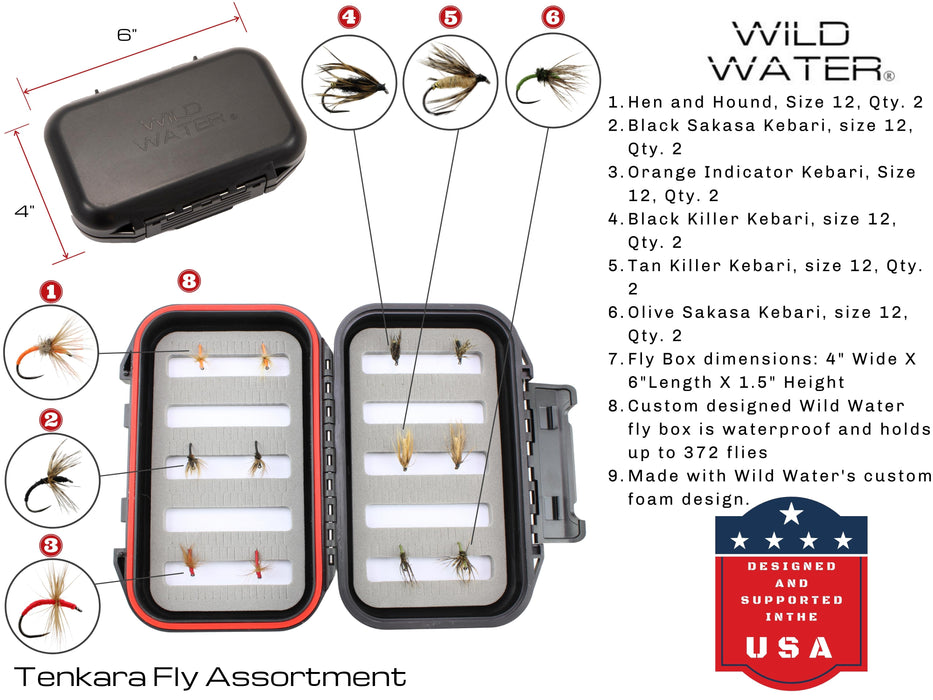
For Louisiana coastal marshes, shrimp patterns, crab flies, and baitfish streamers are most effective for catching redfish. Use Wooly Buggers, Clouser Minnows, and poppers for lakes and rivers to hook bass and panfish.
Let’s discuss each fly pattern and see how you can fish it in murky water.
Redfish Flies for Louisiana Marsh Fishing
Redfish eat three prey types: crabs, shrimp, and baitfish. Your fly selection should match what they are targeting at any given time. Use crab and shrimp patterns when sight-fishing for tailing fish in the grass. Switch to baitfish patterns when you're blind casting or working open water (lack visible structure, like weeds, rocks, or fallen trees).
Louisiana marsh water runs murky compared to other coastal fisheries (the Mississippi dumps tons of sediment), so your flies need to run larger than what you’re using in Florida or Texas. Most patterns here are size 1/0 to 2/0. That sounds big if you're used to trout fishing, but redfish need it to see your fly in low-visibility water.
Reference this guide when selecting flies for redfish:
|
Pattern |
Size |
Best Use |
|
1/0 |
All-purpose, deeper water |
|
|
2/0 |
Baitfish imitation |
|
|
Crab Pattern |
1/0 to 2/0 |
Tailing fish in grass |
|
Shrimp Pattern |
2 to 1/0 |
Skinny water sight fishing |
Browse our complete saltwater flies collection or read our guide on choosing the right fly based on water conditions.

Speckled Trout Flies
Speckled trout feed heavily on shrimp and small baitfish. Fish topwater patterns early in the morning and late in the evening when the surface is calm. As light increases and fish move deeper, switch to subsurface patterns.
Fluorocarbon tippet (the final section of line you tie your fly to) is useful in clear water because it's nearly invisible underwater. Monofilament reflects light and can spook fish in shallow, clear flats.
Stock your box with these essential speckled trout flies:
|
Pattern |
Size |
Best Use |
|
Clouser Minnow |
2 to 1/0 |
All-around pattern |
|
Gurgler (white/chartreuse) |
1/0 |
Topwater, low light |
|
Deceiver (blue/white) |
2/0 |
Baitfish schools |
|
Crazy Charlie (pink/chartreuse) |
4 to 6 |
Deeper flats |
Learn more about tippet vs leader to understand how these components work together.
Bass Flies for Louisiana Freshwater
Louisiana bass aren't picky. They'll eat anything that moves. Topwater produces explosive strikes during low light conditions, the kind of eats that makes you jump even when you're expecting it.
Don't be afraid to go big with your fly selection (a size 2 deer hair frog isn't too large when you're fishing heavy cover, and bigger flies are easier for bass to locate in stained water).
Select your bass fly based on where you're fishing and what they're eating. Here’s your guide:
|
Pattern |
Size |
Best Use |
|
Deer Hair Popper |
2 to 4 |
Topwater, spawning beds |
|
Wooly Bugger (black, olive) |
4 to 8 |
All-purpose subsurface |
|
2 |
Lily pads, thick cover |
|
|
Clouser Minnow (chartreuse) |
4 to 8 |
Baitfish imitation |
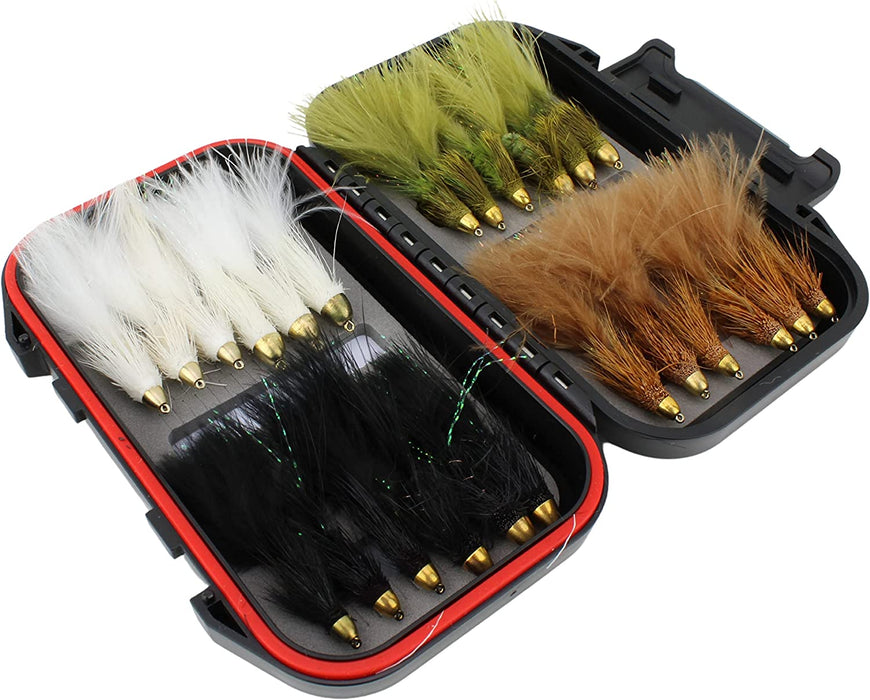
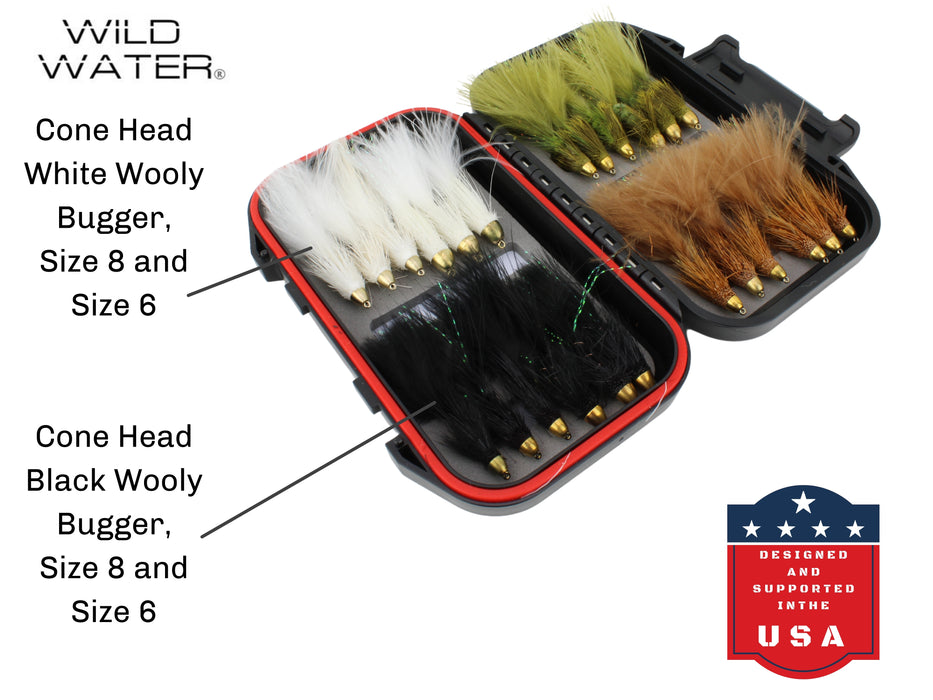
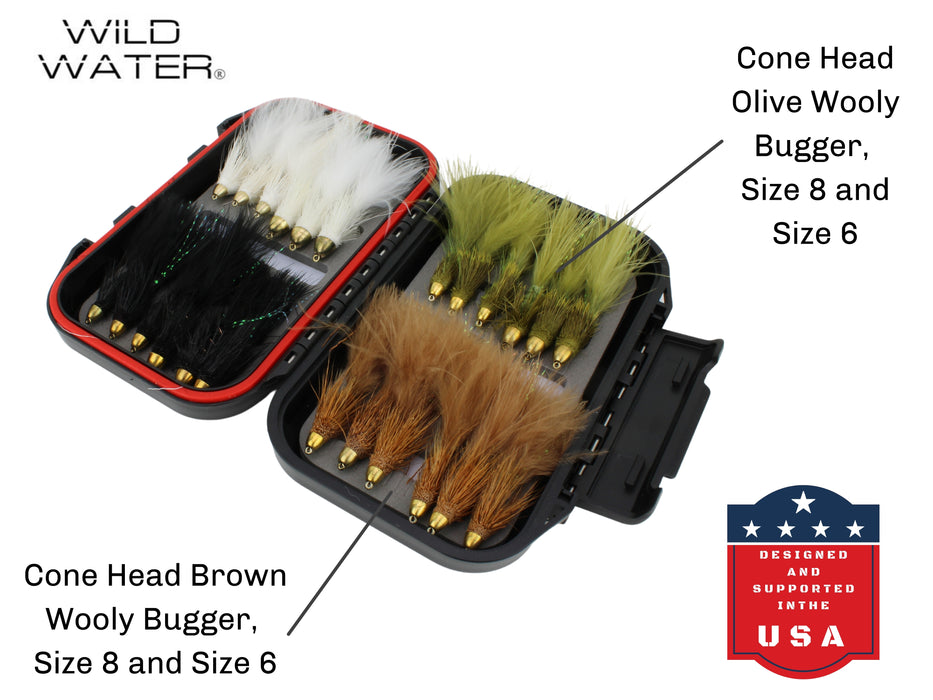
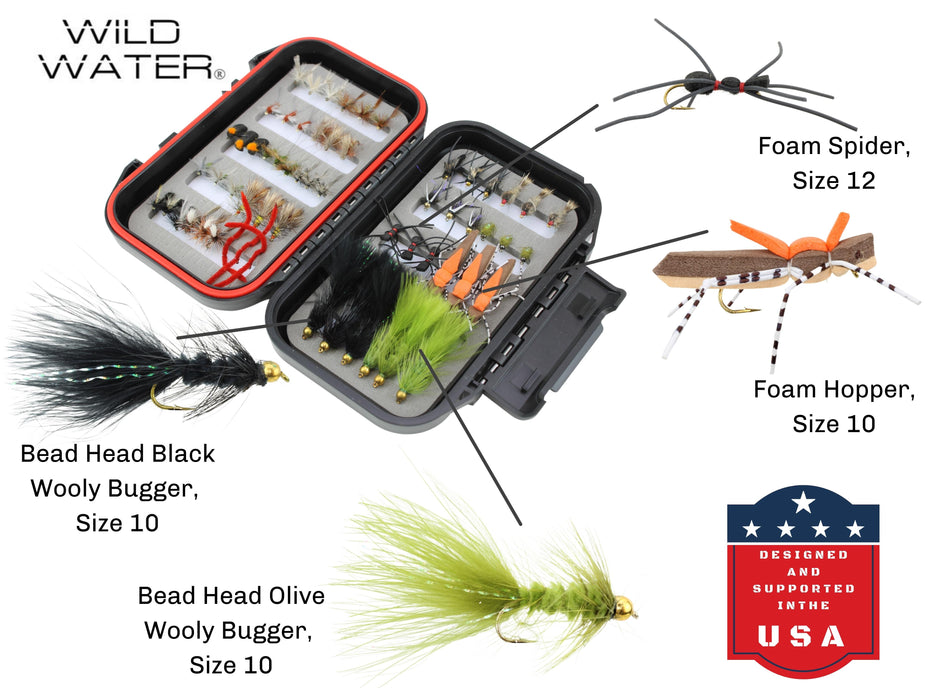
Check out our Wooly Bugger assortment for 36 fly patterns in multiple colors.

Panfish Flies
Small patterns fished slowly are the key to panfish. Surface bugs perform well during the spawn, when bluegill and redear are shallow and aggressive. When fish are deeper, switch to small nymphs and work them near structure.
Light tippet (4X to 6X) allows your flies to move naturally in the water rather than dragging them like they're tied to a rope.
Use these panfish patterns to match the insects and prey in your local waters:
|
Pattern |
Size |
Best Use |
|
Mini Panfish Popper |
8 to 10 |
Spawning beds, topwater |
|
Wooly Bugger (black, olive) |
10 |
Subsurface for crappie |
|
10 to 12 |
Surface, near structure |
Fly Fishing Gear for Louisiana: Saltwater and Freshwater Setups
Your rod, reel, and fly line should match the fish you're targeting and the water conditions you'll face in Louisiana. Fish the wrong rod weight, and you'll feel it’s an overkill on a quiet bass pond; too light won't even punch flies through gusty wind.
To help you out, here are the must-have fishing gear items to consider:
Saltwater and Marsh Fly Fishing Gear
You need an 8-9-weight rod with fast action for Louisiana's coastal marshes. The wind never stops out there, and you need backbone to punch casts through constant 15 mph gusts. A 7/8 weight fly fishing kit handles most situations, but step up to a 9/10 weight fly fishing kit if you're targeting bull redfish over 30 pounds.
For fly lines, weight-forward floating handles 90% of marsh fishing. The water is shallow enough that you don't need to get deep most of the time. Keep an intermediate sinking line in your bag for deeper channels and passes where speckled trout hold during high sun.
A 9-foot tapered leader rated for 12-20 pounds works for most marsh fishing. Add fluorocarbon tippet in the 15-20 pound range when you're fishing clear water or when fish are spooky. The fluorocarbon is nearly invisible underwater.
Freshwater Bass and Panfish Fly Fishing Gear
A 6-7 weight rod covers bass fishing in Louisiana's freshwater lakes and rivers. Drop down to a 3-4 weight for panfish to feel every pull from bluegill and crappie. If you're buying only one freshwater setup, our 5/6 weight fly fishing kit works for both species and gives you the versatility to fish Toledo Bend one day and Black Bayou the next.
A weight-forward floating line is standard for freshwater. A bass taper helps turn over air-resistant poppers and big deer-hair bugs without collapsing the cast. The shorter, heavier front section loads your rod faster and punches those bulky flies out to shoreline structure where bass are waiting.
Plan Your Louisiana Fly Fishing Trip with Wild Water
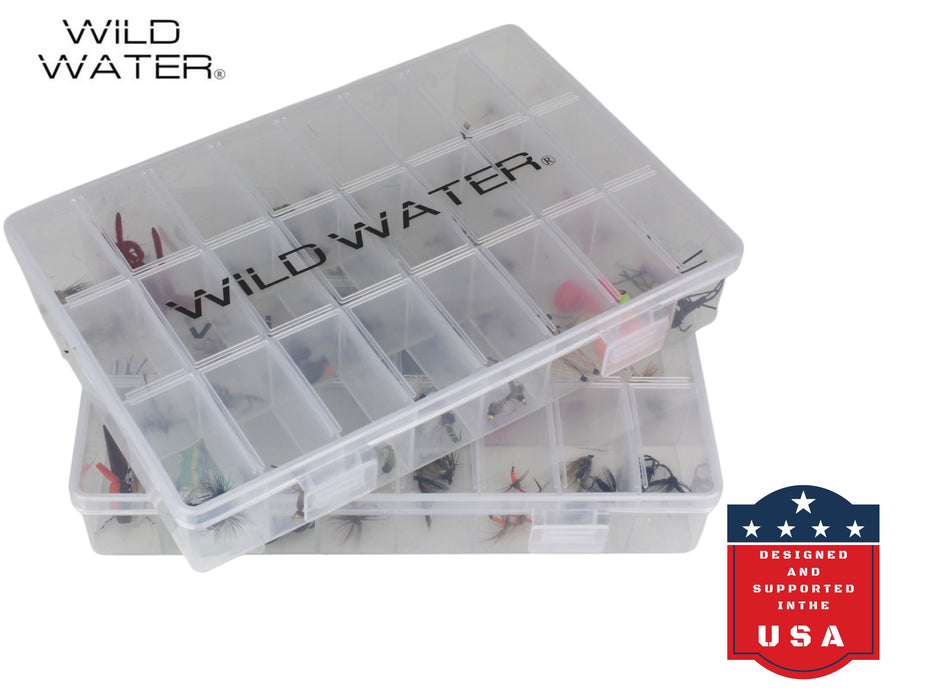
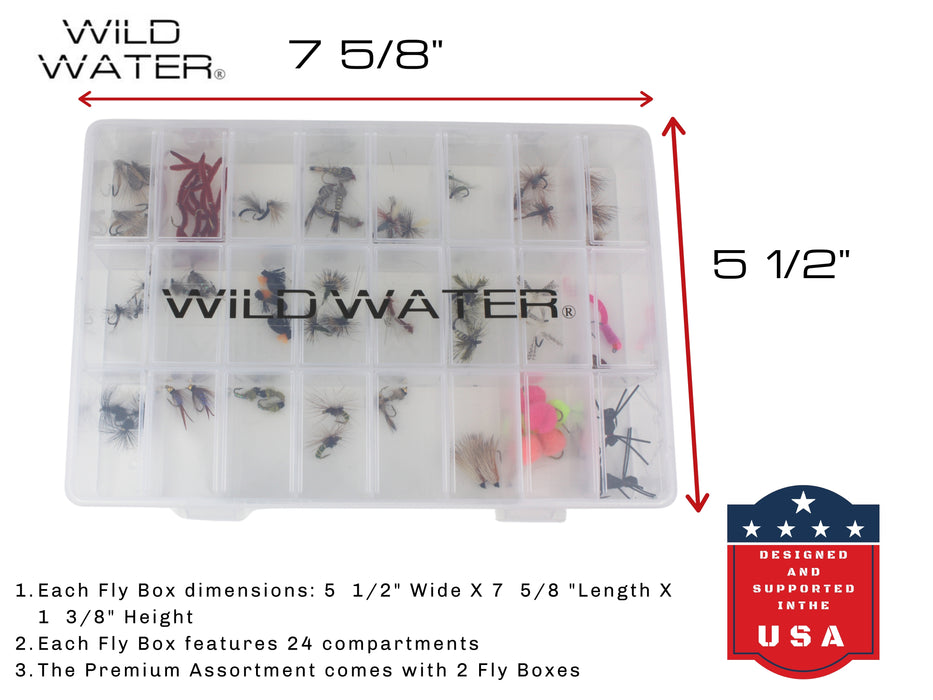
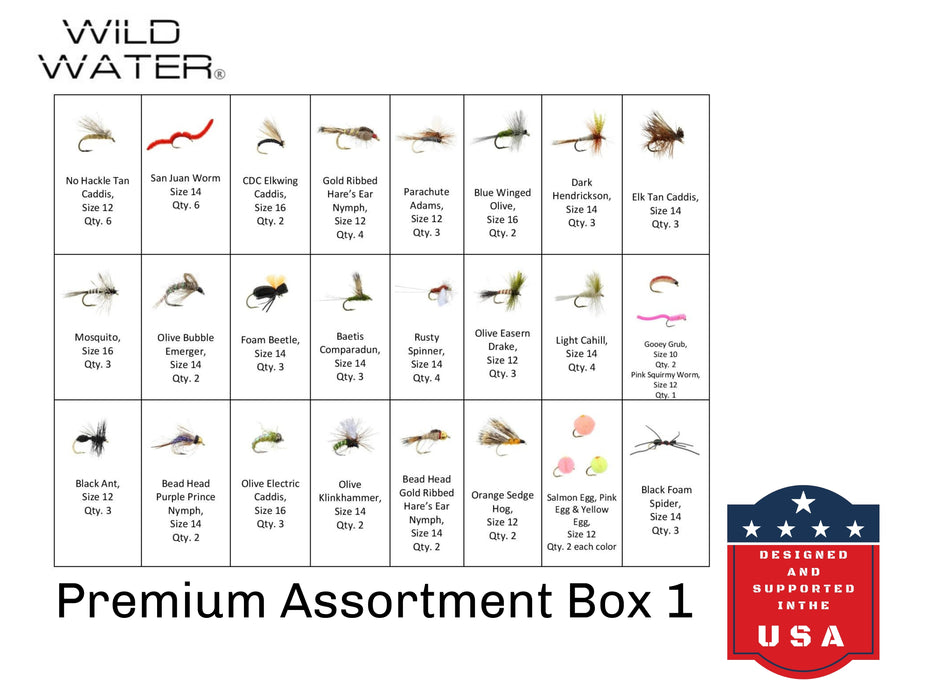
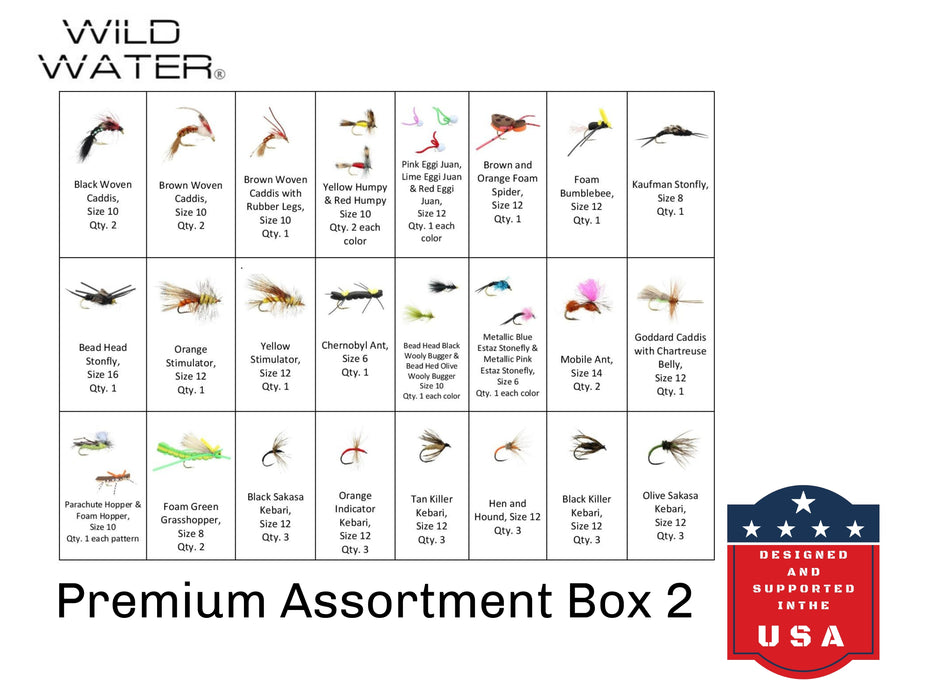
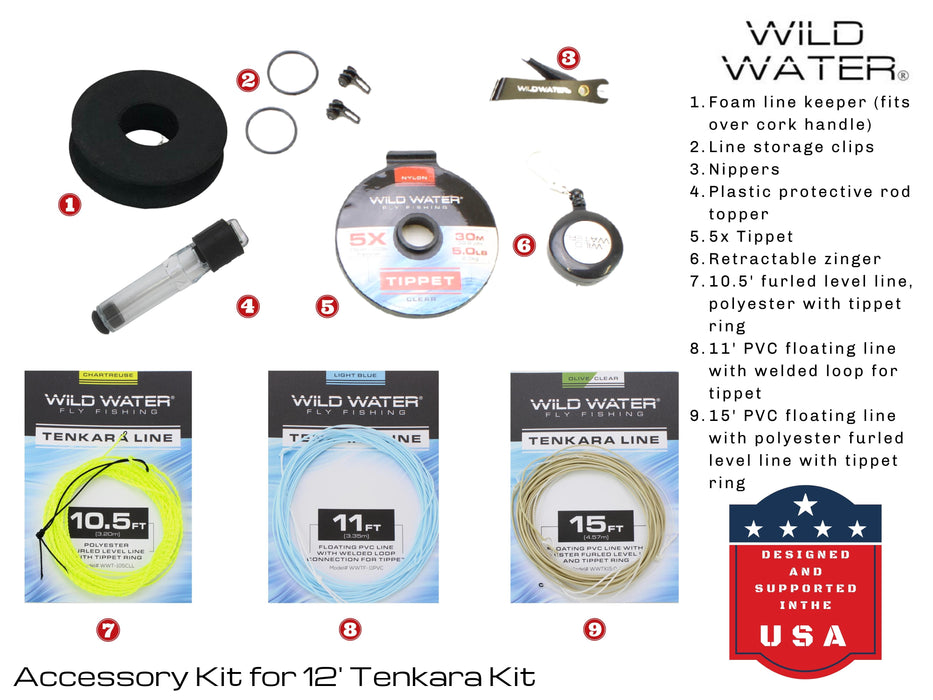
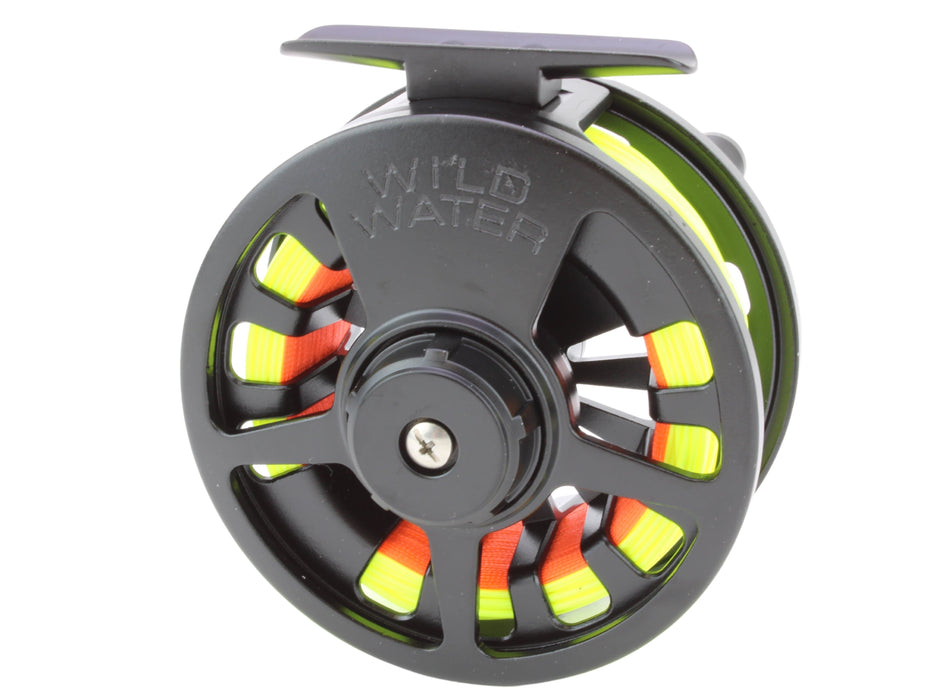
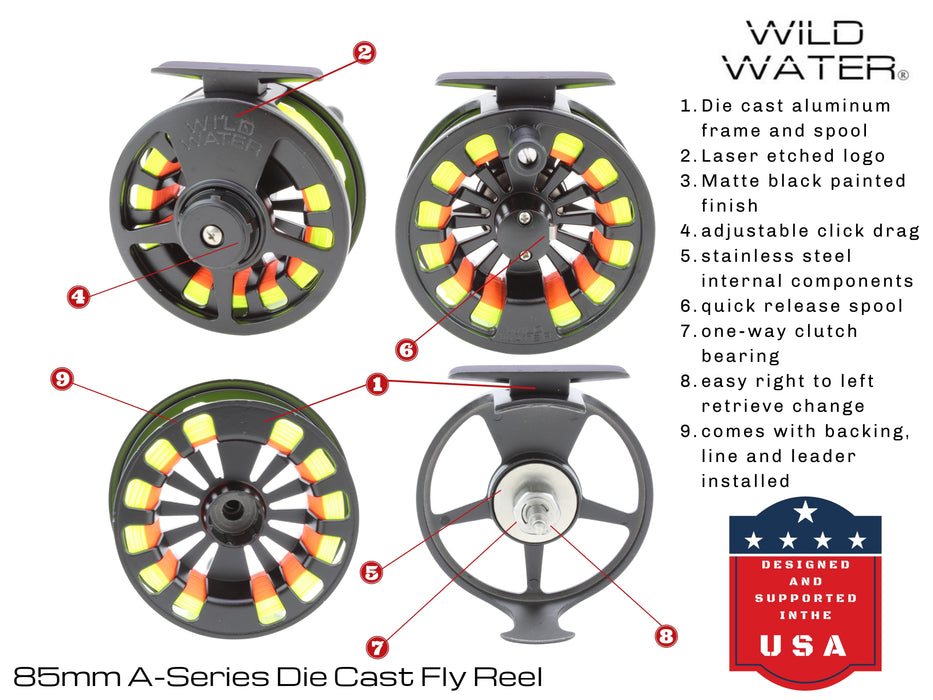
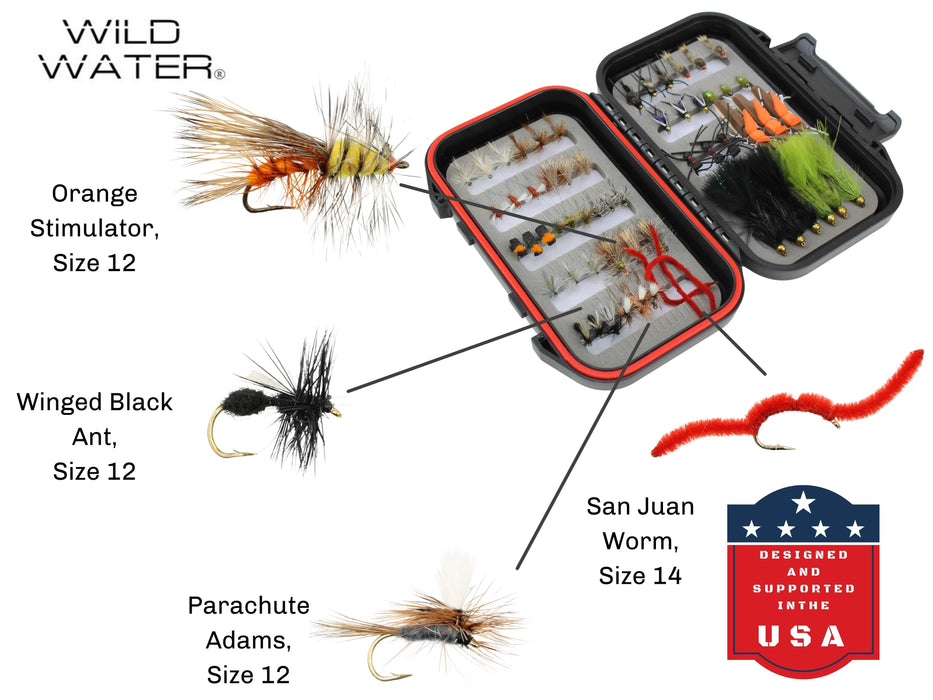
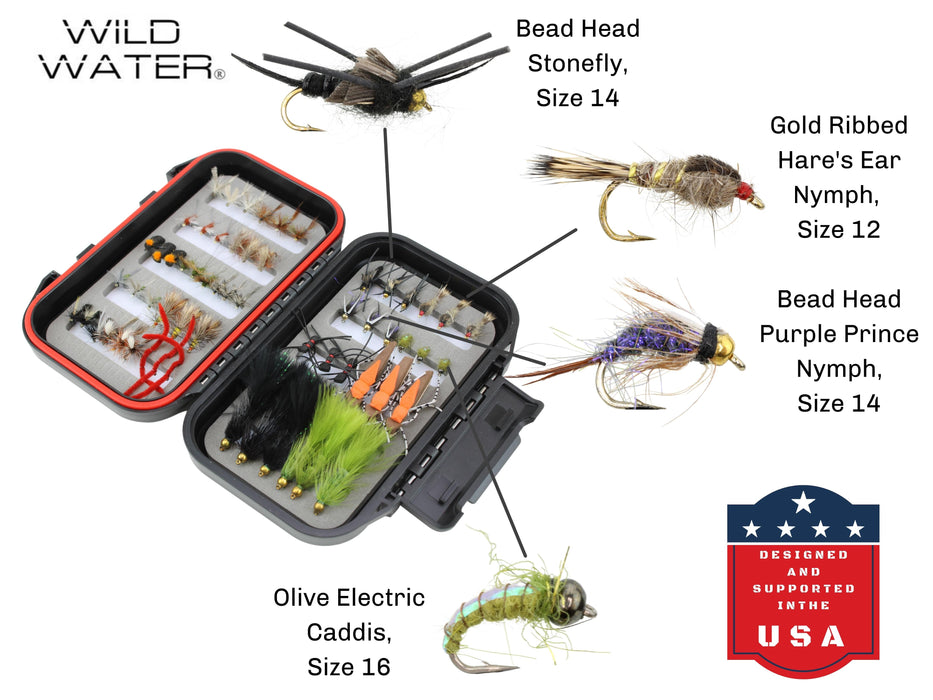
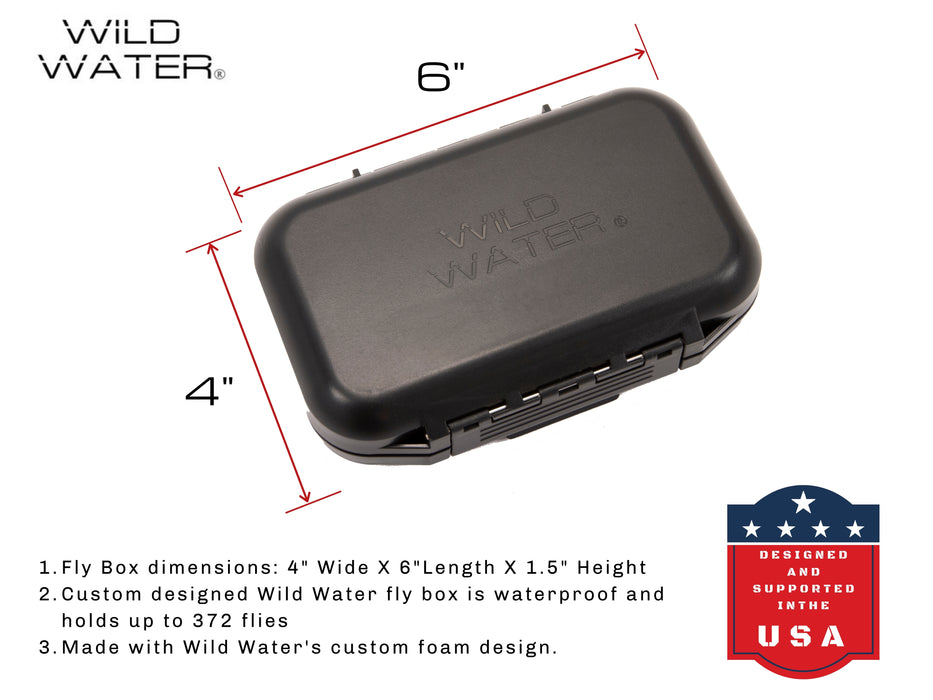
Wild Water offers this quality-tested Standard Fly Fishing Kit, which includes everything you need: fly rod, reel, fly line, leader, flies, and a carrying case. All components work together, so you're not guessing whether your line matches your rod weight or if your reel has enough backing.
Browse our complete fly fishing kits collection today or visit our bass and pike assortments. Need help planning? Read our beginner’s guide to fly fishing to get started.

FAQs About Fly Fishing in Louisiana
How much do Louisiana fly fishing guides and charters cost?
Most full-day fly-fishing trips in Louisiana cost $400- $600. This usually includes the boat, fly gear, and a guide who knows the local waters and current fishing conditions. Book good guides early during the peak fall season because September through November fills up fast.
Can I wade fish in the Louisiana marsh?
Wade fishing is not common in Louisiana’s coastal marshes. The bottom is usually soft mud, and you can quickly sink waist-deep. That said, most inshore fishing is done from a boat or a kayak. For wade fishing, freshwater lakes like Toledo Bend are better options, especially along shallow banks and gravel areas.
What fishing techniques work best for Louisiana redfish?
Sight fishing is the best method for catching redfish in Louisiana. Look for tailing fish or nervous water (ripples, wakes, or dimples) with visible disturbances. Then, cast your fly 2 to 3 feet ahead of the fish. Let it sink for a second, then strip slowly. Blind casting works along grass edges when fish aren't visible.
Is fly casting difficult in Louisiana's windy marsh conditions?
Yes, especially since coastal Louisiana winds can reach speeds of up to 20 mph. An 8- or 9-weight fly rod works best to handle the wind. Your guide will usually position the boat so you cast with or across the wind, not straight into it.
What makes fall the best season for a Louisiana fly fishing trip?
Fall offers the best fishing and weather in Louisiana. Redfish move into shallow water to feed before winter, which makes them easier to spot and catch. Freshwater fish, such as bass, also become more active as summer heat fades.