Cold-weather fly fishing produces excellent results when you fish during the warmest part of the day, slow your presentation down, target tailwaters (rivers where flow is controlled by a dam, which keeps water temperatures stable year-round), manage the ice that builds on your gear, and layer up to stay warm and dry.
Trout don't shut off in winter. They get more selective, and your approach needs to match that. Get those adjustments right, and winter can produce some of the highest trout catch rates of your year. This guide covers all of it.
Tip 1: Fish Later in the Day, Not Earlier
Skip the early alarm in winter. Water temperatures hit their lowest point overnight and into the morning, and trout are cold-blooded, meaning their metabolism moves with the water temperature around them. Cold water means slow fish. As the afternoon arrives and temps start creeping up, even a few degrees can bring trout back to feeding.
Your best window is late morning through mid-afternoon. A sunny day in the high 30s will often fish better than a cloudy morning in the mid-50s (it sounds backwards, but experienced anglers will tell you the same thing). Cloudy, windless days are productive too. The calm conditions make trout less nervous and more willing to eat. Either way, don't rush to the water at dawn in January.

Tip 2: Slow Your Presentation Way Down
Winter trout are not chasing. They hold in slower water, they barely move off their lies, and they won't sprint after a fly that's moving too fast. The whole approach has to be slower than what you'd do in warmer months.
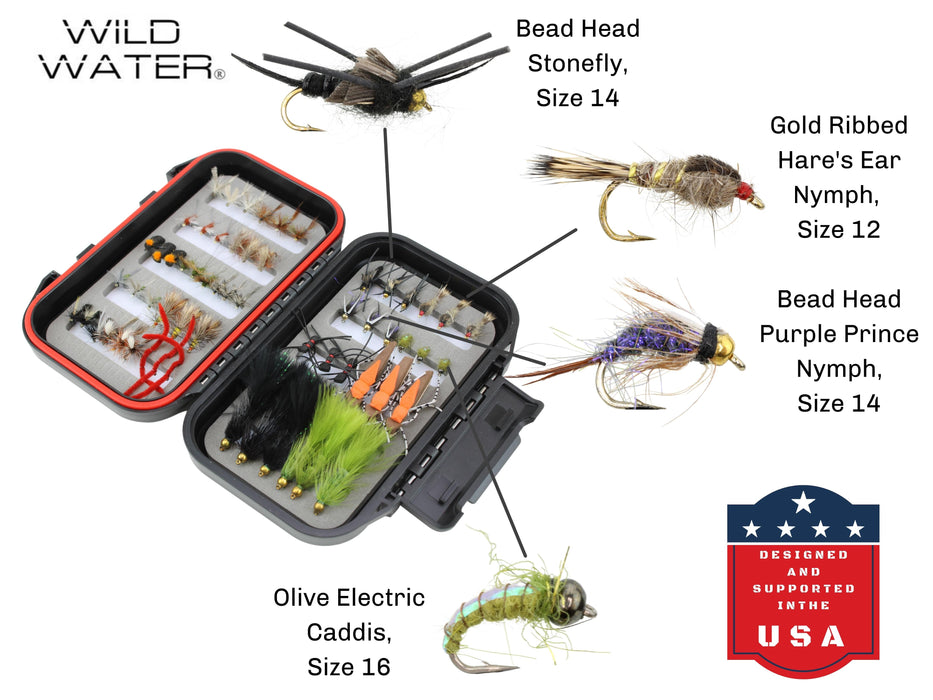
Nymphing under an indicator produces more winter trout than any other presentation. A nymph is an artificial fly that imitates the immature form of aquatic insects living on the riverbed. You attach a strike indicator, which is a small float that clips onto your leader (the clear line connecting your fly line to your fly) and acts like a bobber. The indicator tells you the moment a trout picks up your fly. Rig your nymph below the indicator, add a small split shot weight to get the fly down near the bottom, and dead-drift it through the seams and deeper pools. Dead-drifting means letting the fly move at the exact speed of the current, with no drag or pull from your line.
High-stick your rod tip up as the rig floats toward you, keeping most of the fly line off the water. That reduces drag and gives you a cleaner drift. Watch that indicator closely. Winter takes are subtle. You won't feel a big thump. You'll see the indicator dip slightly or stop moving, and that's your signal. Set the hook immediately.
If you do see trout rising to the surface, they're almost certainly feeding on midges. More on that in the fly selection section below.
Tip 3: Find the Right Water
Not all winter water holds fish. Trout are conserving energy in the cold, so they look for water where they don't have to work hard to stay in place and where food still comes to them.
Your first choice should always be tailwaters. Dams regulate both water release and temperature, keeping tailwater rivers within a narrower range year-round. Fish stay active, insects still hatch, and you can have a productive day in February on a tailwater when a freestone stream nearby is completely iced over. Classic tailwaters like the Bighorn in Montana, the San Juan in New Mexico, the South Holston in Tennessee, and the Middle Provo in Utah are all worth the trip in winter.
On non-tailwater rivers, focus on deep pools and slow runs. A "seam" is the edge between fast and slow current, and in winter, fish push away from the fast lanes and tight against the slow edge. Deep water holds temperature better than shallow water, so any hole 3 feet or deeper is worth a few drifts. Tight to the bank, under any undercut edges, and around any submerged structure are all good starting points.
First-time winter anglers often miss this: trout stack tightly in cold water rather than spreading across the river. They aren't spread out like they are in spring. That concentration actually makes finding them easier once you know the pattern.
Tip 4: Use the Right Flies for Cold Water
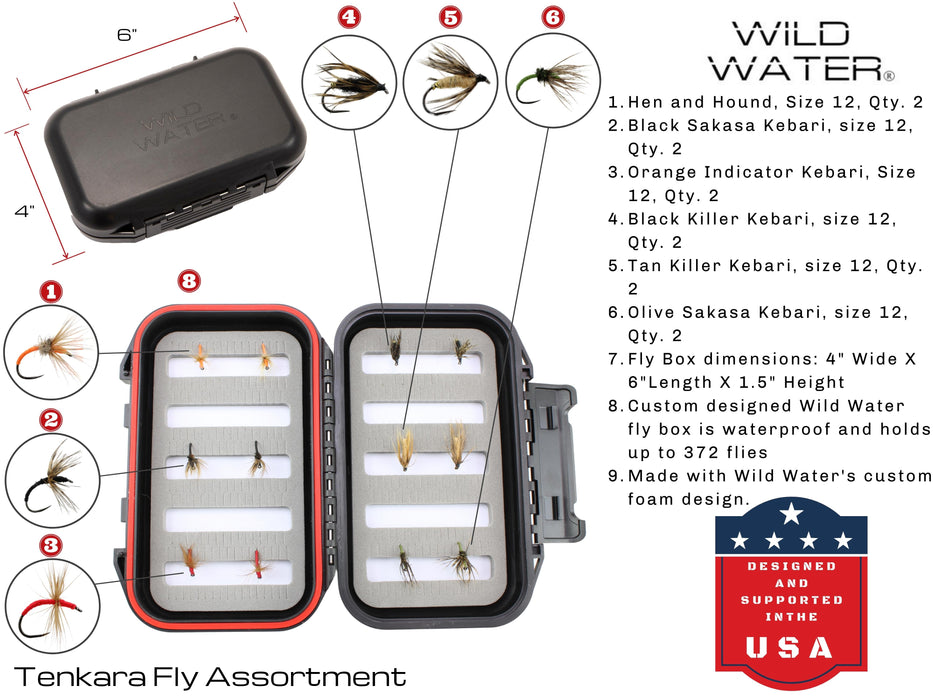
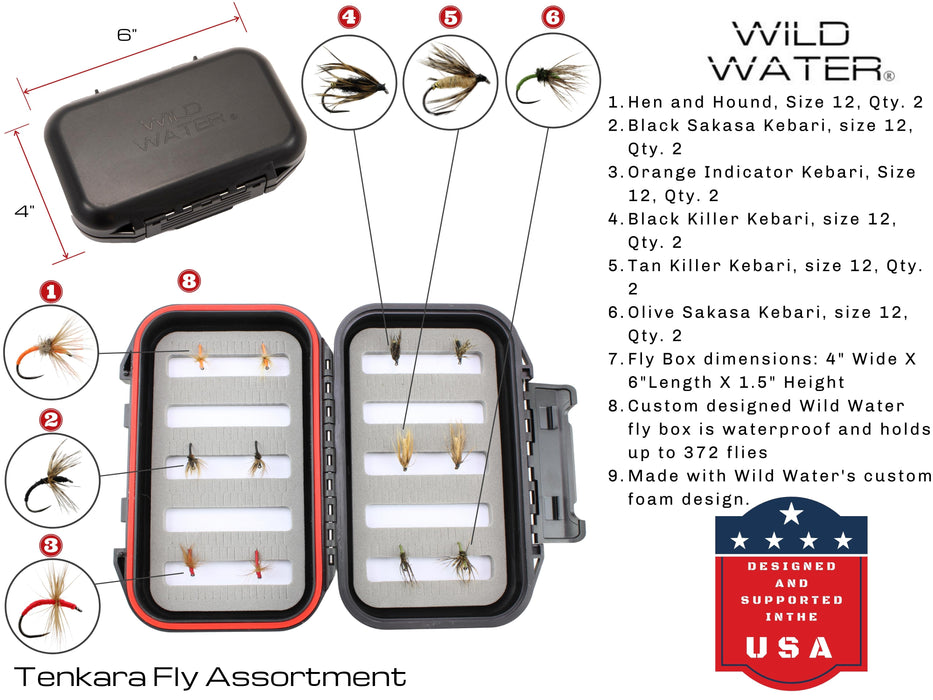
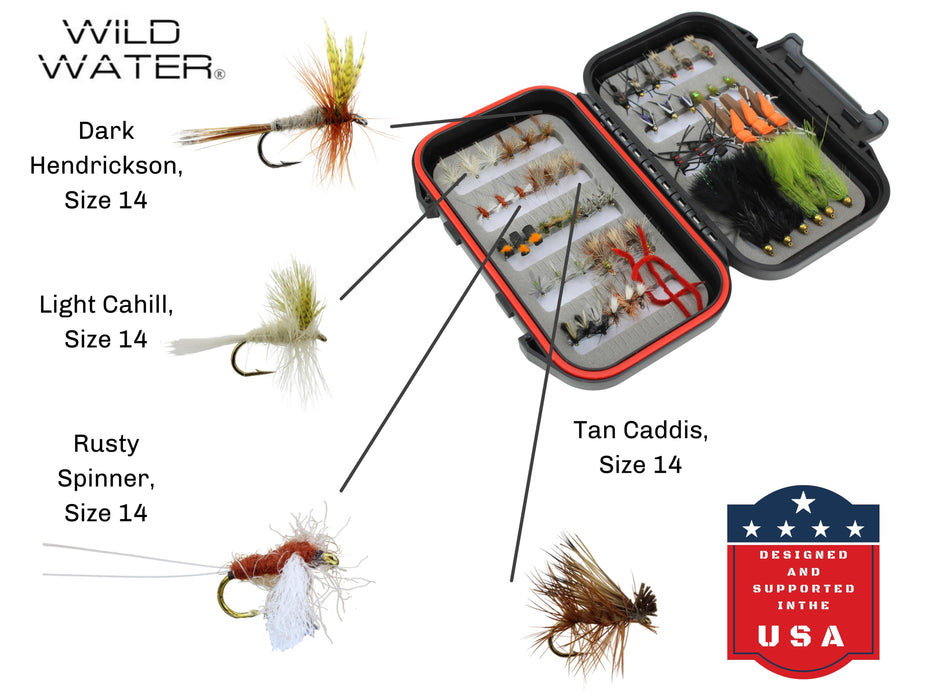
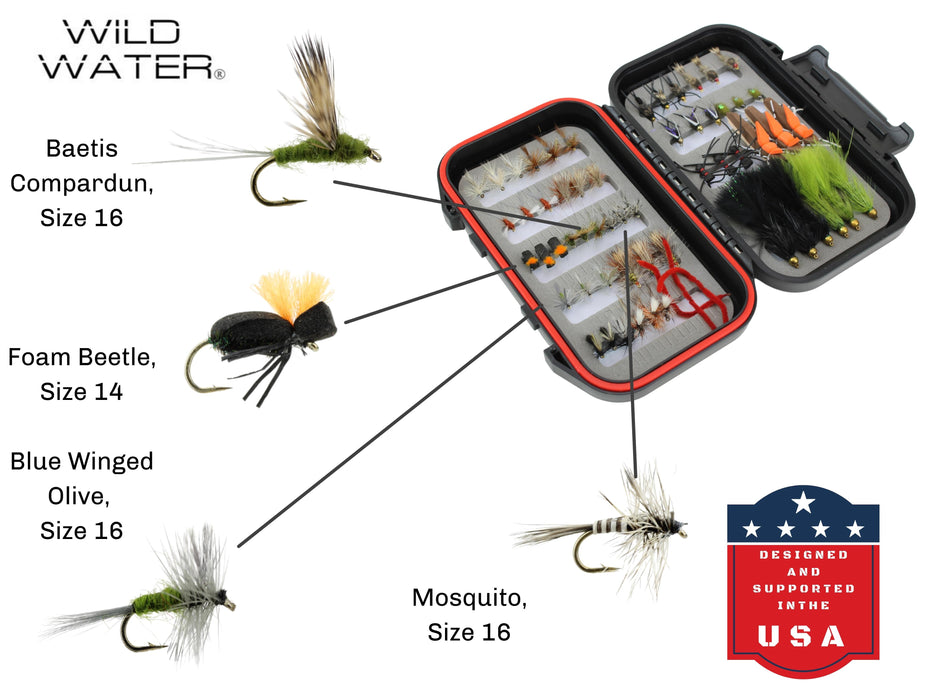
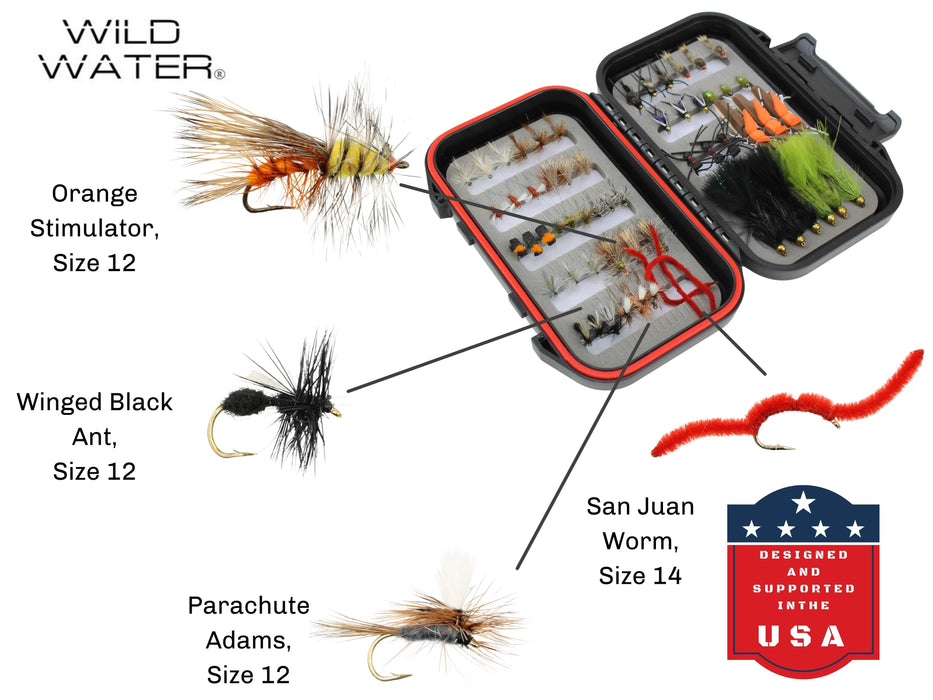
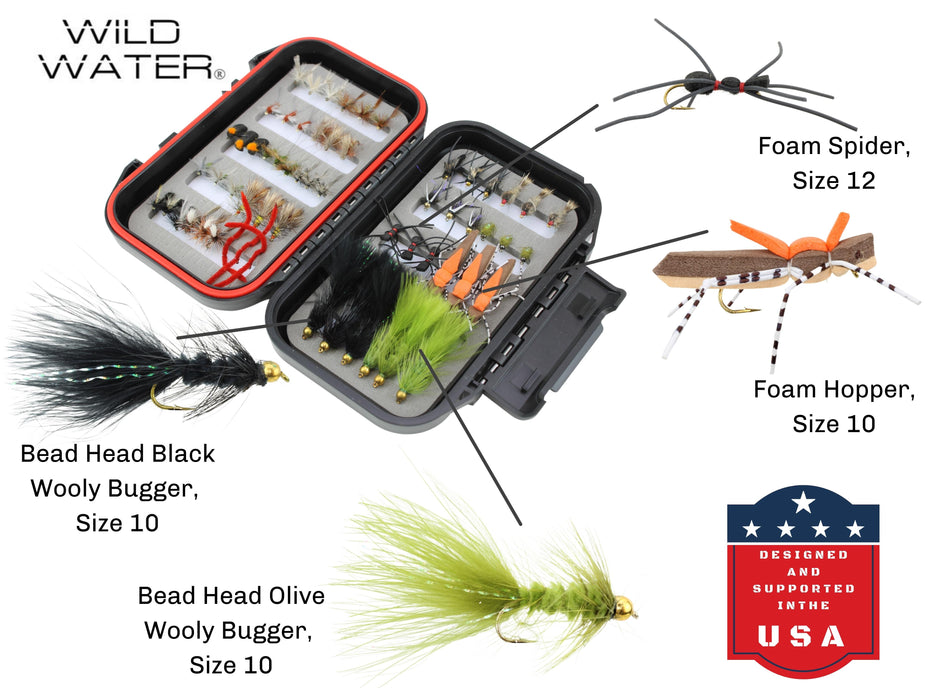
Winter trout take four fly types consistently: nymphs, midges, egg patterns, and black stonefly nymphs. You don't need 200 flies. You need a handful of the right ones in small sizes.
|
Fly Type |
Recommended Patterns |
Size |
When to Use |
|
Nymphs |
16-20 |
All day, subsurface; your primary winter tool |
|
|
Midges |
Zebra Midge (black, red, olive) |
18-22 |
Any time, especially when you see surface rises |
|
Egg Patterns |
Sucker Spawn, Glo Bug |
10-14 |
Near salmon or steelhead spawning water |
|
Black Stonefly Nymphs |
Black Stonefly |
14-18 |
Big trout days; stoneflies crawl the riverbed all winter |
One general rule: go smaller and slower in winter. If you've been fishing a size 14 nymph, drop to a 16 or 18. When in doubt, smaller usually wins.

Tip 5: Deal with Ice Before It Deals with You
Air temperatures at or below 32°F cause fly line to freeze in the rod guides within minutes. Rod guides are the small rings along the rod blank that the fly line passes through. Ice builds up ring by ring until the line won't pass through at all.
Clear it often. A quick pinch and snap with your fingers every few casts keeps it manageable. Most experienced winter anglers apply lip balm or commercial guide deicer to rod guides before their first cast. It doesn't prevent freezing completely, but it slows the buildup and makes it easier to pop off.
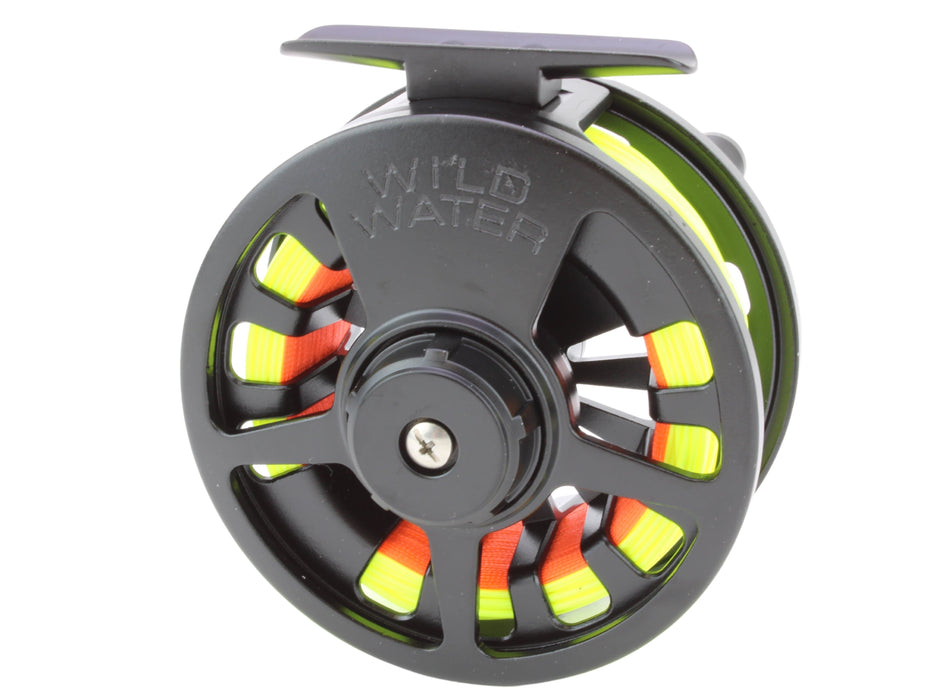
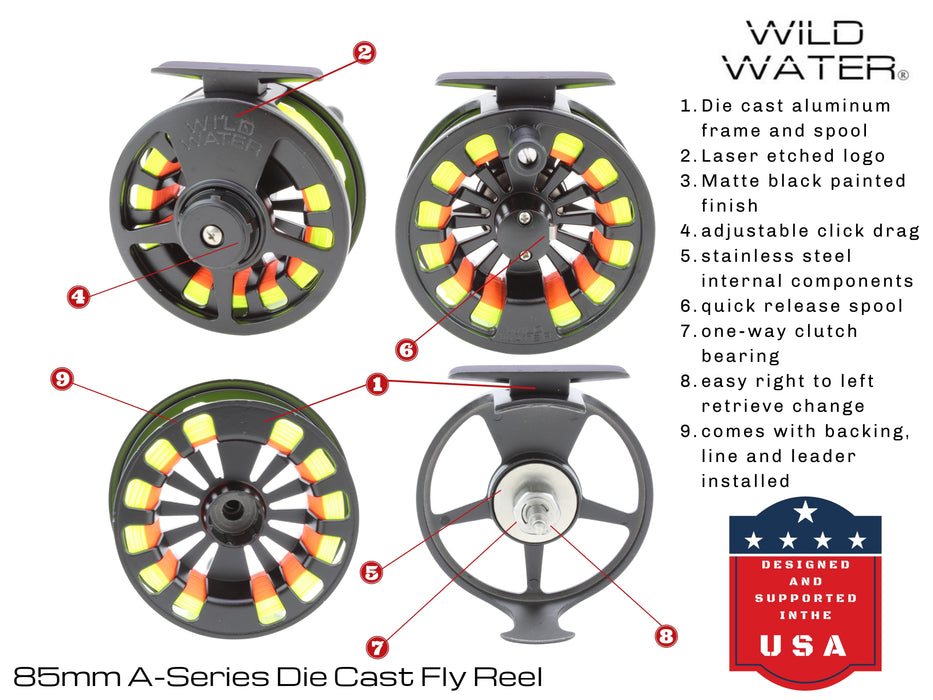
Your reel will ice up too, particularly around the spool and the drag knob. Thaw it against your body if it seizes, not with water (which just refreezes faster).
Tip 6: Layer Up From the Inside Out
Most winter anglers underdress because they rely on a single heavy coat instead of a layering system. What actually keeps you warm and comfortable all day on the water is a proper layering system, with each layer doing a specific job.
|
Layer |
What to Wear |
Job It Does |
|
Base |
Merino wool or synthetic (no cotton) |
Wicks moisture away from your skin |
|
Mid |
Fleece pullover or puffy jacket |
Traps warm air and insulates |
|
Outer Shell |
Waterproof, windproof jacket |
Blocks wind and keeps moisture out |
|
Gloves |
Flip-mitt fingerless gloves |
Keeps hands warm while allowing fly handling |
|
Head and Neck |
Wool beanie plus Buff or neck gaiter |
Seals in heat and blocks wind |
|
Waders |
Neoprene (warmer than breathable) |
Insulates legs in cold water |
|
Boots |
Wading boots with solid traction |
Grip on slippery, icy rocks |
|
Socks |
Thick wool or synthetic wool |
Keeps feet warm in cold water all day |
Two gear mistakes stand out above the rest. Never wear cotton as your base layer. Cotton holds moisture against your skin and chills you fast, which is a real problem when you're standing in a cold river all afternoon. Flip-mitt gloves sound unnecessary until the first time you try to tie on a fly with completely numb fingers. That's the moment every winter angler becomes a convert.
Tip 7: Avoid These Winter Safety Mistakes
Winter fly fishing adds six specific risks not present in warmer months: shelf ice, short daylight windows, dexterity loss, wet clothing danger, solo accidents, and icy wading conditions.

Watch Out for Shelf Ice and Warming Periods
Shelf ice is the ledge of frozen water that forms along the riverbank. It can look solid when it isn't. Always test the edge carefully before stepping near it. During warming periods, when ice is actively breaking up and floating downstream, fishing is essentially impossible and actively dangerous. Floating chunks of ice will wrap your line, and the banks become unpredictable. The better days come when the temperature stays consistently cold, not during a warm snap after a hard freeze.
Don't Fish Alone in Severe Cold
If you fall into near-freezing water or injure yourself far from your car, a second angler can call for help or assist immediately. A fall into near-freezing water can trigger cold shock or hypothermia within minutes, unlike a fall in summer.
Watch Your Daylight
Winter days are short, and sunset comes earlier than you think. Set a turnaround time before you leave home and stick to it. Getting caught at the river after dark in freezing temperatures is dangerous. Wet gear and no visibility dramatically increase the risk of a cold-related injury.
Cold Hands Make Everything Harder
Dexterity drops fast when your hands get cold. Setting hooks, tying knots, even clipping a fly from a tippet (the thin line at the end of your leader that attaches to the fly) all get harder. Keep your gloves on between fish and take breaks to warm your hands against your core. A hand warmer in each pocket helps a lot.
Wet Clothing Is a Serious Risk
If you fall in or get wet enough that your base layer is soaking, get off the water and get warm. Wet clothing in wind accelerates heat loss fast. This is the situation that can turn a bad day into a dangerous one. Put a dry change of clothes in the car before you leave the house. If you need it, you'll be very glad it's there.
Be Extra Careful Wading
Slippery rocks don't announce themselves. Wade slowly, use a wading staff if you have one, and never fully commit your weight to a step before you've tested it.
Tip 8: What to Pack Before You Head Out
Packing the night before eliminates cold-finger rigging errors, forgotten items, and wasted time at the trailhead. Here's a solid starting checklist for a winter day on the water.
|
Category |
Item |
Notes |
|
Flies |
Small nymphs |
Pheasant Tail, Hare's Ear in sizes 16-20 |
|
Flies |
Midge patterns |
Zebra Midge in black, red, and olive; sizes 18-22 |
|
Flies |
Black Stonefly nymphs |
Sizes 14-18 |
|
Terminal Tackle |
Pack a few extras |
|
|
Terminal Tackle |
Split shot weights |
Bring multiple sizes |
|
Terminal Tackle |
5X and 6X |
|
|
Gear |
Rod, reel, and fly line |
Rig at home the night before if possible |
|
Gear |
For hook removal |
|
|
Gear |
Nippers |
For trimming tippet |
|
Clothing |
Full layering system |
Base, mid, and shell |
|
Clothing |
Flip-mitt gloves |
Fingerless with mitten shell |
|
Clothing |
Wool beanie |
Synthetic works too |
|
Clothing |
Buff or neck gaiter |
Essential in wind |
|
Clothing |
Neoprene waders and wading boots |
Neoprene over breathable for cold water |
|
Clothing |
Thick wool or synthetic socks |
No cotton |
|
Clothing |
Dry change of clothes |
Leave in the car, not in your pack |

Cold-Weather Fly Fishing FAQs
How cold is too cold to fly fish?
Air temperatures below 20 degrees Fahrenheit make gear icing too aggressive to fish effectively. Winter fly fishing produces best results in air temps between 25 and 45 degrees Fahrenheit and water temps between 35 and 50 degrees. Trout feed more actively as water approaches 50 degrees. Water below 32 degrees freezes the river and ends the day entirely.
What line weight should I use for winter fly fishing?
Most trout anglers use a 4-weight or 5-weight fly line year-round, and winter is no different. A 5-weight gives you slightly more authority when nymphing in bigger water or fishing with added split shot weight.
Should I use a floating line or a sinking line in winter?
Use a floating line for almost all winter trout fishing. You control depth with split shot weight on your leader, not with a sinking line. A floating line also mends more easily in slow winter currents. Reserve sink-tip lines for streamer fishing in deeper runs where you need the fly near the bottom fast.
How do I tie knots with cold or numb hands?
Keep hand warmers in both pockets and warm your hands between fish before tying. Flip-mitt gloves let you expose your fingertips for the knot, then cover back up immediately. Pre-tie your rigs at home before the trip when possible. Simpler knots like the clinch knot are easier to execute with reduced dexterity than complex multi-step knots.
Does catch and release work differently in cold water?
Cold water actually benefits trout during catch and release. Trout handle catch-and-release stress better in cold water because cold water holds more dissolved oxygen than warm water. Keep the fish wet, minimize handling time, and point the trout into the current before releasing. Avoid squeezing the body and support the fish horizontally until it swims off on its own.
Is winter fly fishing good for beginners?
Winter fly fishing suits beginners well when they start on a tailwater, use a nymph and indicator setup, and fish during the warmest part of the day. Winter fishing requires more gear awareness than summer fishing, but winter trout concentrate in predictable spots, which makes locating them easier. A beginner trout kit paired with a handful of small nymphs is genuinely all you need to get started.
Can I use the same fly rod in winter that I use the rest of the year?
Yes. Your standard fly rod works fine in cold weather. Graphite rods handle cold temperatures without any change in performance. Ferrules, the connecting joints between rod sections, can freeze together if the rod sits assembled in freezing temperatures after fishing. Twist sections apart and dry them after each session so they don't freeze in storage.